A tooth that only twinges with cold water, gums that bleed when you brush, or a crown that suddenly feels different may not seem urgent. Yet these small changes are often the reason to book a dental exam in Scarborough before discomfort becomes a larger, more costly problem. A thorough exam gives you clear answers about what is happening in your mouth and what, if anything, needs attention.
At Bright Smile Dental Clinic, exams are approached as a conversation as much as a clinical appointment. Whether you are bringing in a child for a routine checkup, returning after a long gap in care, or managing a specific concern, the goal is to help you feel informed, comfortable, and never rushed.
Why regular dental exams matter
Many dental conditions begin quietly. Early tooth decay may not hurt. Gum disease can progress without obvious pain. A cracked tooth, worn filling, or changing bite can be easy to miss until it interferes with eating, sleeping, or smiling confidently.
Regular exams allow your dental team to look for changes while treatment options are often simpler. A small cavity may only require a filling, while decay that reaches deeper into the tooth may need a root canal and crown. In the same way, early gum inflammation may improve with professional hygiene care and better home routines, whereas advanced periodontal disease can require more involved treatment.
The ideal timing depends on your oral health needs. Some patients do well with checkups every six months, while others may need more frequent visits because of gum disease, ongoing restorative work, dry mouth, diabetes, orthodontic treatment, or a history of frequent cavities. Your dentist can recommend an interval based on your individual situation rather than applying a one-size-fits-all schedule.
What to expect at a dental exam in Scarborough
A dental exam should not feel like a test you can fail. It is an opportunity to understand your oral health, discuss what matters to you, and make practical decisions with professional guidance.
A conversation about your health and concerns
Your visit usually starts with a discussion. You may be asked about tooth sensitivity, jaw pain, bleeding gums, medications, past dental experiences, and changes in your general health. This information matters because oral health and overall health are connected. Certain medications can cause dry mouth, for example, which may increase the risk of cavities.
This is also the right time to raise concerns that may feel minor: bad breath that does not improve, a tooth that catches floss, headaches around the jaw, or anxiety about treatment. Being open helps your dental team tailor the exam and any next steps to your needs.
A careful look at teeth, gums, bite, and soft tissues
Your dentist examines each tooth for signs of decay, cracks, worn enamel, failing fillings, and changes around crowns, bridges, implants, or dentures. They also assess your gums for inflammation, recession, pocketing, and signs of gum disease.
Your bite and jaw joints may be evaluated if you have clenching, grinding, clicking, soreness, or difficulty opening your mouth comfortably. The exam also includes the tongue, cheeks, lips, palate, and other soft tissues. This routine screening can help identify changes that deserve closer attention.
X-rays when they are clinically appropriate
Some concerns cannot be seen during a visual exam. X-rays can show decay between teeth, changes below existing restorations, bone levels around teeth, impacted wisdom teeth, infections, and issues developing beneath the gumline.
You may not need X-rays at every appointment. The timing depends on your history, risk factors, symptoms, and recent imaging. Modern digital X-rays use low radiation and provide detailed images that help your dentist explain findings clearly.
Hygiene care and a review of home routines
Many checkup appointments include a professional cleaning with a dental hygienist. This removes plaque and hardened tartar that brushing and flossing cannot fully remove. The hygienist can also offer realistic advice on brushing technique, flossing, interdental brushes, sensitivity products, or managing dry mouth.
A cleaning is not simply about a polished feeling. It supports gum health and gives your team a clearer view of areas that need extra care between visits. If your gums are tender or you have avoided cleanings because of sensitivity, let the team know. Gentle techniques, breaks, and adjustments can make a meaningful difference.
If the exam finds something
Not every finding needs immediate treatment. Some areas can be monitored, especially when a change is very early and your dentist believes preventive care may help. Other concerns need timely attention to protect the tooth, control infection, or prevent further damage.
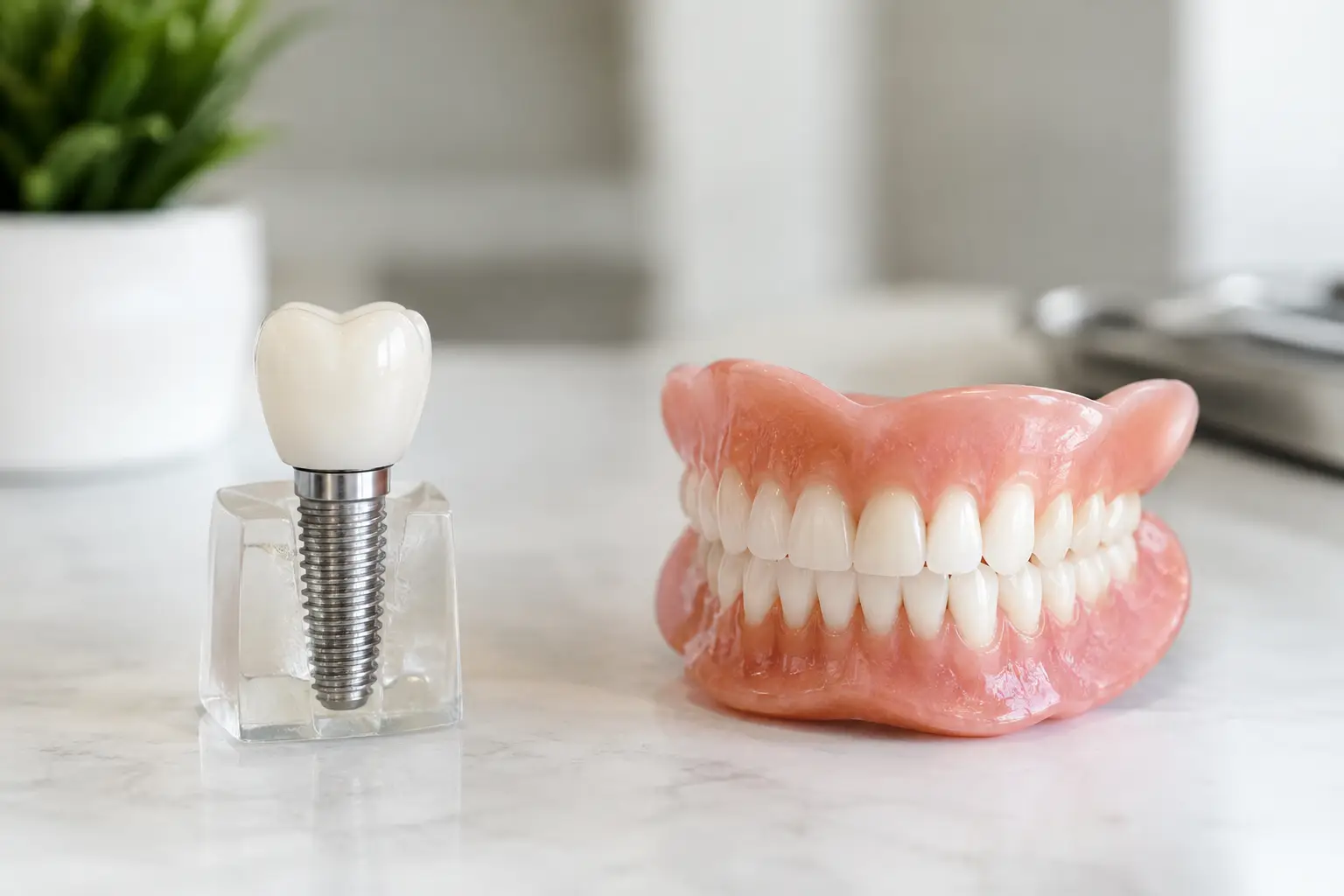
A patient-centred treatment discussion should explain what was found, why it matters, the available options, expected benefits, and what may happen if you wait. For instance, a missing tooth can sometimes be replaced with an implant, bridge, or partial denture. The right choice depends on your bone and gum health, neighbouring teeth, budget, timeline, and personal goals.
If you need more complex care, such as wisdom tooth removal, gum therapy, a crown, Invisalign, or dental implants, a clear plan helps make the process manageable. Treatment may be staged over time when appropriate. You should understand the priority of each step, not feel pressured into decisions you are not ready to make.
Dental anxiety deserves a thoughtful approach
Putting off appointments because of fear is more common than many people realize. Anxiety may come from a difficult past experience, concern about discomfort, embarrassment about the condition of your teeth, or uncertainty about costs and treatment.
A comfort-first visit begins with listening. Tell the dental team what makes you nervous and what has helped before. You can ask for explanations before treatment begins, agree on a signal to pause, use headphones, or request breaks. For patients who need additional support for certain procedures, sedation dentistry may be an option after a proper assessment.
There is no benefit in judging yourself for time away from the dentist. The most useful next step is simply booking the appointment and allowing the team to meet you where you are.
Planning around insurance and cost
Cost is a real part of health-care decisions, and it is reasonable to ask about it early. After an exam, your clinic can help you understand recommended treatment, estimate fees, and review insurance coverage where applicable. Direct insurance billing can reduce administrative stress for many patients, though coverage, limits, and reimbursement vary by plan.
Eligible patients may also be able to use the Canadian Dental Care Plan for covered services. Since eligibility and coverage details can change, it is helpful to bring your plan information and ask the clinic team what documentation or preauthorization may be required. Clear financial conversations make it easier to prioritize care without surprises.
Questions patients often ask
Do I need an exam if nothing hurts?
Yes. Pain is not a reliable early warning sign for cavities, gum disease, cracks, or problems around existing dental work. Routine exams are designed to identify concerns before they become painful.
How long does an exam take?
It depends on whether you are a new patient, need X-rays, are having a cleaning at the same visit, or have a specific concern. A first visit may take longer because the team needs time to review your history and complete a thorough assessment.
What should I bring to my first appointment?
Bring photo identification, insurance or CDCP information if relevant, a list of medications, and any questions you have. If you have recent dental X-rays or records from another office, mention this when booking.
A dental exam is a practical reset point for your oral health. If you have noticed a change or it has simply been a while, choosing a calm appointment now can give you clarity, reassurance, and a plan that fits your next step.