A toothache that keeps returning, a tender spot on the gums, or an unpleasant taste that will not go away can be easy to put off during a busy week. However, these can be signs of oral infection, and prompt dental care can often prevent a small problem from becoming a painful emergency.
Oral infections can begin in a tooth, the surrounding gums, a wisdom tooth area, or tissue that has been irritated or injured. They do not always cause severe pain at first. Knowing what to watch for helps you make a calm, informed decision about when to book an appointment and when to seek urgent help.
What an oral infection can look and feel like
An oral infection happens when bacteria, or sometimes a virus or fungus, causes inflammation in the mouth. A common dental infection starts when bacteria enter the inner part of a tooth through a deep cavity, crack, damaged filling, or injury. Infection may then build around the root, creating an abscess.
Gum infections can develop when plaque and tartar collect below the gumline, particularly when gum disease has progressed. Food and bacteria can also become trapped around a partially erupted wisdom tooth. The symptoms can overlap, which is why an examination is the safest way to identify the cause and recommend the right treatment.
A sore mouth is not automatically an infection. A minor burn from hot food, irritation from a sharp tooth, or a canker sore may settle on its own. The difference is often the pattern: infection symptoms tend to persist, worsen, spread, or return.
Signs of oral infection that should prompt a call
Persistent or throbbing tooth pain
Pain that lingers for more than a day or two deserves attention, especially if it throbs, wakes you at night, or becomes worse when you bite down. A tooth with an infected nerve may also become very sensitive to hot or cold temperatures. Sometimes the pain seems to ease suddenly, but that does not necessarily mean the problem has resolved. If the nerve inside the tooth stops responding, pressure from the infection can still continue around the root.
Swelling in the gums, face, or jaw
A pimple-like bump on the gum, a swollen area beside a tooth, or facial swelling are common warning signs. The bump may drain fluid and leave a salty or bitter taste. Even if it drains and becomes less painful, the source of the infection remains and needs dental treatment.
Swelling around a wisdom tooth can make the back of the mouth tender and make opening your jaw uncomfortable. This may be linked to bacteria trapped beneath the gum flap around a tooth that has not fully come in.
Red, bleeding, or receding gums
Healthy gums should generally look pink, feel firm, and not bleed during gentle brushing or flossing. Redness, puffiness, tenderness, bleeding, or gums that seem to pull away from the teeth can point to gum inflammation or periodontal disease. Early gum disease is often manageable with professional hygiene care and improved home care, while more advanced disease may need deeper gum therapy.
Bleeding alone does not confirm an infection, but it is not something to ignore. A dental assessment can determine whether it is related to plaque buildup, gum disease, a brushing issue, medication, or another concern.
Bad breath or a bad taste that persists
Morning breath is normal. Breath that remains unpleasant despite brushing, flossing, drinking water, and cleaning your tongue may be different. An ongoing bad taste, particularly one that appears near a sore tooth or gum bump, can be associated with drainage from an infection.
Dry mouth, gum disease, untreated decay, and food trapped between teeth can all contribute to this symptom. The solution depends on the cause, so covering it with mouthwash alone may delay needed care.
Fever, feeling unwell, or swollen lymph nodes
When a dental infection becomes more active, you may feel tired, feverish, or generally unwell. Tender lymph nodes under the jaw or in the neck can also occur. These symptoms deserve prompt professional advice, particularly when they appear alongside tooth pain or swelling.
When an oral infection is an emergency
Contact a dentist promptly for tooth pain with swelling, drainage, fever, or difficulty chewing. Same-day assessment may be appropriate when symptoms are progressing quickly. Early treatment can relieve pressure, control the source of infection, and protect the tooth when possible.
Go to the nearest emergency department or call 911 if you have swelling that affects breathing or swallowing, swelling spreading into the neck or around the eye, confusion, severe weakness, or an inability to open your mouth normally. These symptoms can indicate that an infection is spreading beyond the mouth and should not wait for a routine appointment.
Children, older adults, people with diabetes, and anyone with a weakened immune system should be especially cautious. Infection may progress differently in these situations, so it is wise to call sooner rather than waiting to see whether symptoms settle.
Why antibiotics are not always the complete answer
Antibiotics can be useful when an infection is spreading or causing systemic symptoms, but they often cannot remove the source on their own. If bacteria are inside an infected tooth, treatment may require drainage, root canal treatment, or removal of the tooth. If gum disease is the cause, professional cleaning and periodontal care may be necessary.
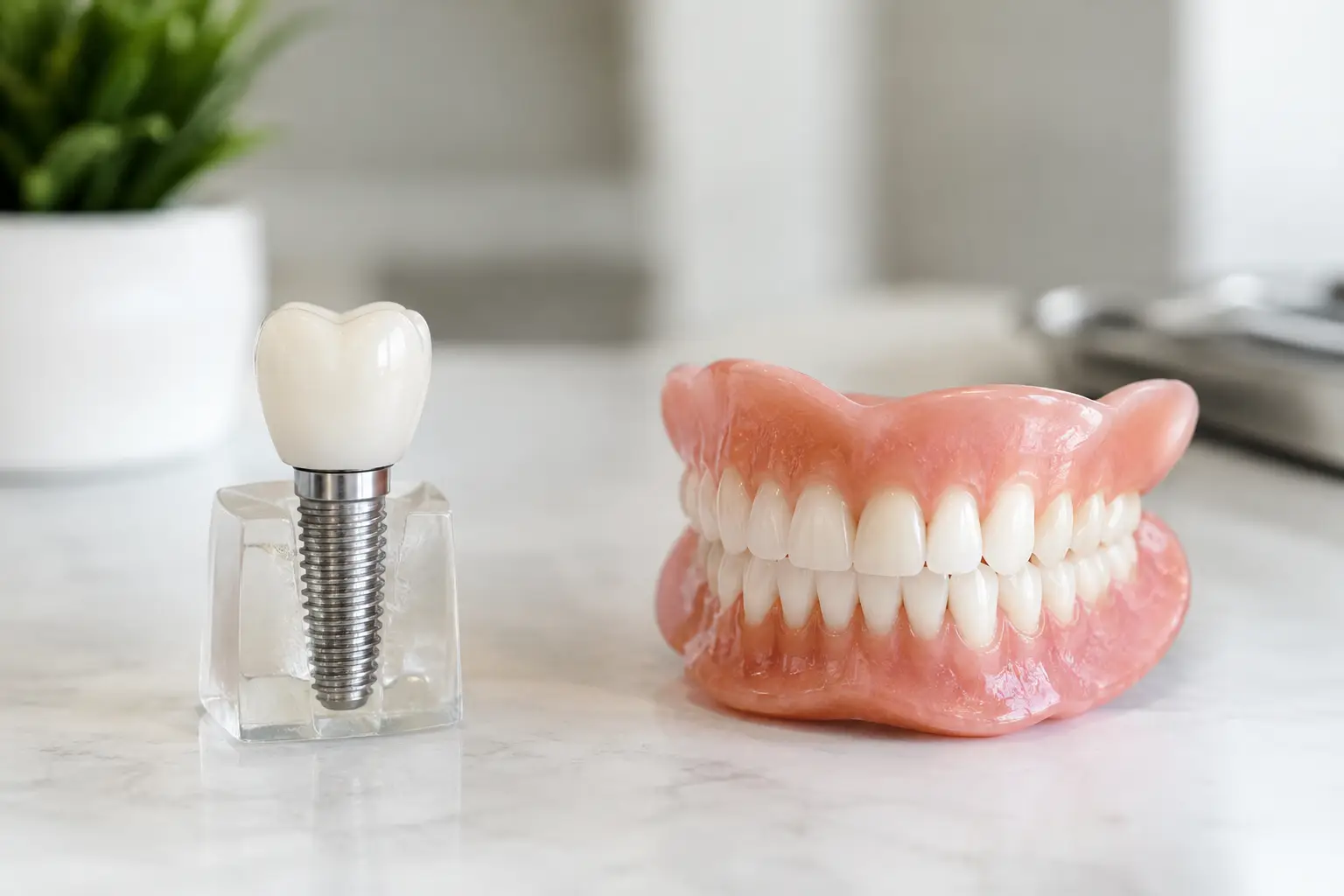
This is why a dental examination matters even if pain improves after medication. Treating the source reduces the chance of symptoms returning and allows your dentist to discuss the most conservative option that fits your oral health, comfort, and budget. In some cases, saving the tooth with restorative treatment is possible. In others, extraction followed by options such as an implant, bridge, or denture may be the healthier long-term choice.
What to do while you wait for your appointment
Keep the area as clean as you comfortably can. Brush gently with a soft toothbrush and floss carefully if food is caught between the teeth. A warm salt-water rinse can soothe irritated tissues, but it will not cure an infection. Use it gently rather than vigorously swishing.
For pain, an over-the-counter medication may help if it is safe for you to take and you follow the package directions. A cold compress on the outside of the cheek may reduce swelling and discomfort. Avoid placing aspirin directly on the gum or tooth, as this can burn the tissue.
Do not try to pop a gum swelling, drain it yourself, or place heat on a swollen face. Heat may increase blood flow and make swelling worse. It is also best to avoid smoking, alcohol, and very sugary foods while the area is painful or inflamed.
Preventing future infections
Many oral infections are preventable with consistent home care and regular dental visits. Brush twice daily with fluoride toothpaste, clean between your teeth every day, and arrange hygiene appointments based on your individual needs. Regular examinations allow small cavities, cracked fillings, gum inflammation, and wisdom tooth concerns to be identified before they become urgent.
If dental anxiety has kept you from booking care, let the dental team know. Gentle techniques, clear explanations, and sedation options for eligible treatments can make a significant difference. At Bright Smile Dental Clinic, care is planned around your needs, with time to discuss what is happening and what each treatment option involves.
Your mouth rarely sends warning signs without a reason. If pain, swelling, bleeding, or a persistent bad taste is getting your attention, booking an assessment now can protect your comfort and give you a clearer path forward.