A missing tooth can change more than the look of your smile. It can make chewing less comfortable, affect speech, and allow nearby teeth to shift over time. If you are considering a dental bridge Scarborough patients can receive as a fixed replacement option, understanding how it works can make the decision feel far less overwhelming.
A dental bridge is designed to fill the space left by one or more missing teeth. It can restore everyday function and help you smile, eat, and speak with greater confidence. The best option, however, depends on the condition of your surrounding teeth, gums, jawbone, bite, budget, and long-term goals.
What Is a Dental Bridge?
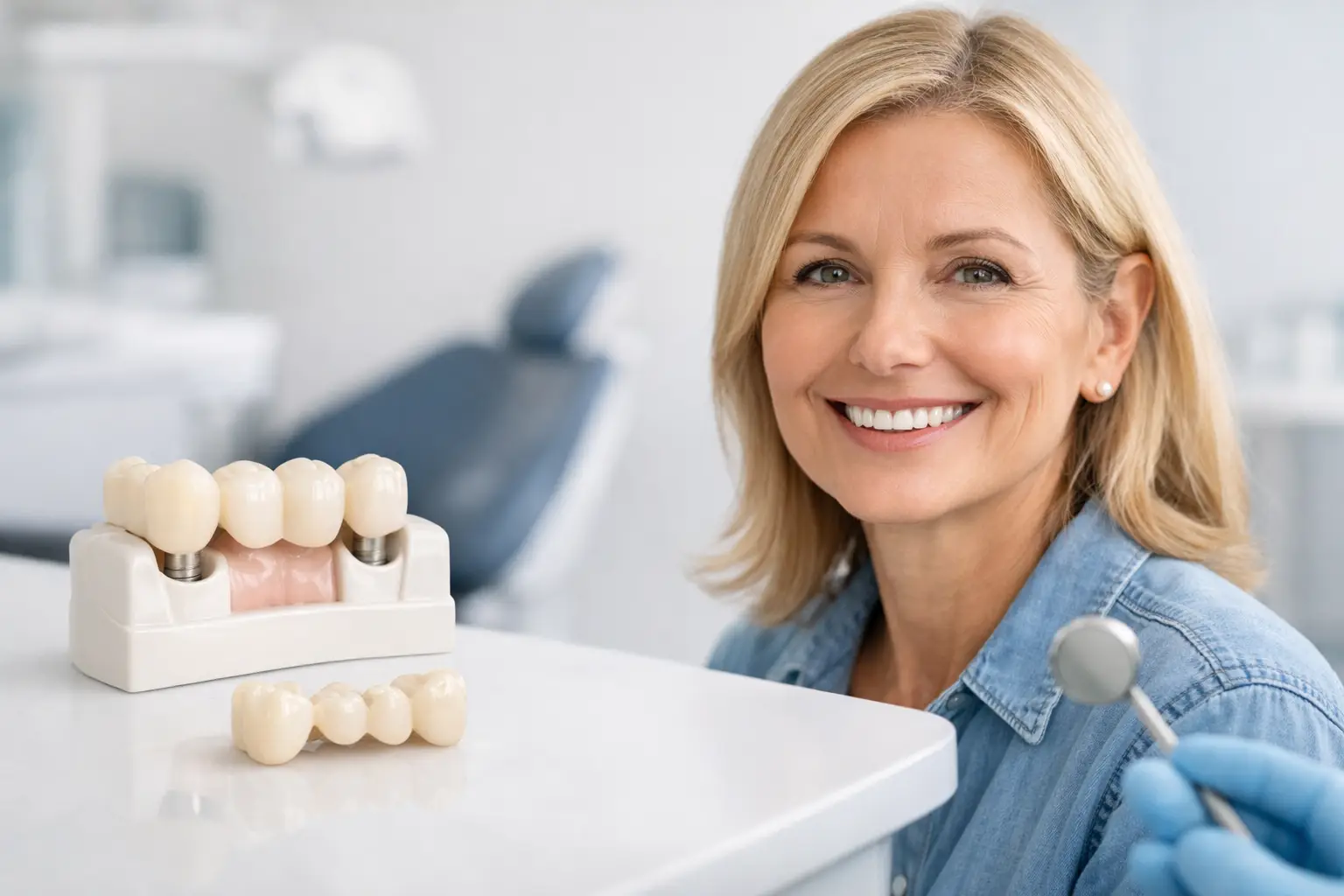
A traditional dental bridge includes an artificial tooth, called a pontic, held in place by crowns attached to the teeth on either side of the gap. These supporting teeth are sometimes called abutment teeth. Once the bridge is fitted and cemented into place, it stays in your mouth rather than being removed for cleaning.
For someone missing a single tooth between two healthy neighbouring teeth, a bridge can be a practical and predictable solution. It closes the space, distributes chewing pressure more evenly, and helps prevent teeth from drifting into the gap.
Bridges are commonly made from durable, natural-looking materials such as porcelain, ceramic, zirconia, or combinations of materials selected for strength and appearance. The right choice may differ depending on whether the bridge is being placed in a highly visible front area or a back area that handles heavier biting force.
When a Dental Bridge May Be Recommended
A bridge may be appropriate when a tooth has been lost because of decay, injury, gum disease, or a failed restoration. It can also be considered when the teeth beside the gap already need crowns. In that situation, a bridge may allow those teeth to be restored while replacing the missing tooth at the same time.
A bridge is not automatically the best answer for every gap. If the supporting teeth are weak, have significant gum disease, or cannot support the needed biting pressure, another treatment may be safer. Your dentist will assess your mouth carefully before recommending treatment, including the health of your gums, your bite, and any signs of grinding or clenching.
For patients who feel uneasy about dental treatment, it can help to know that bridge appointments are planned around comfort. Local freezing is used during tooth preparation, and sedation options may be discussed when anxiety or more extensive care makes additional support helpful.
Types of Dental Bridges
There is no single bridge design that suits every smile. A personalized recommendation starts with the location of the missing tooth and the condition of the teeth around it.
Traditional fixed bridge
This is the most familiar type of bridge. Crowns are placed over the teeth on either side of the space, with the replacement tooth joined between them. It is often a strong option for replacing one or more missing teeth when the neighbouring teeth can support crowns.
Implant-supported bridge
An implant-supported bridge is attached to dental implants rather than natural teeth. This can be useful when several teeth are missing or when preserving adjacent healthy teeth is a priority. Because implants are placed in the jawbone, this treatment usually involves a longer process and may require bone grafting in some cases. It can offer excellent stability, but it is not suitable for everyone.
Cantilever bridge
A cantilever bridge is supported on one side only. It may be used in selected situations, often where chewing forces are lower. Since it places added force on one supporting tooth, careful bite assessment is essential.
Maryland bridge
A Maryland bridge uses small wings bonded to the back of nearby teeth, usually for a missing front tooth. It can involve less alteration to neighbouring teeth than a traditional bridge. However, it may not be strong enough for every location or bite pattern, especially in the back of the mouth.
What to Expect During Bridge Treatment
The process generally begins with an examination and a conversation about your symptoms, concerns, and goals. Digital X-rays or other imaging may be used to examine the roots, bone levels, and supporting tissues that cannot be fully assessed during a visual examination.
If a traditional bridge is the right option, the supporting teeth are carefully shaped so crowns can fit over them. Impressions or digital scans are then taken to guide the design of your custom bridge. A temporary bridge may be placed to protect the prepared teeth while the final restoration is being made.
At the fitting appointment, your dentist checks the bridge’s appearance, comfort, and bite. Small adjustments may be made to ensure that your teeth come together naturally. Once the bridge is secured, you will receive clear instructions for caring for it at home.
The exact number of appointments depends on the type of bridge, the health of your mouth, and whether you need other treatment first. If gum disease, decay, or an infection is present, treating those concerns before placing a bridge helps protect the result.
Dental Bridge vs. Dental Implant: How Do You Choose?
Both bridges and implants can replace missing teeth effectively, but they work differently. A bridge is typically completed more quickly and may be a sensible choice when adjacent teeth already require crowns. It usually has a lower initial cost than an implant-supported option.
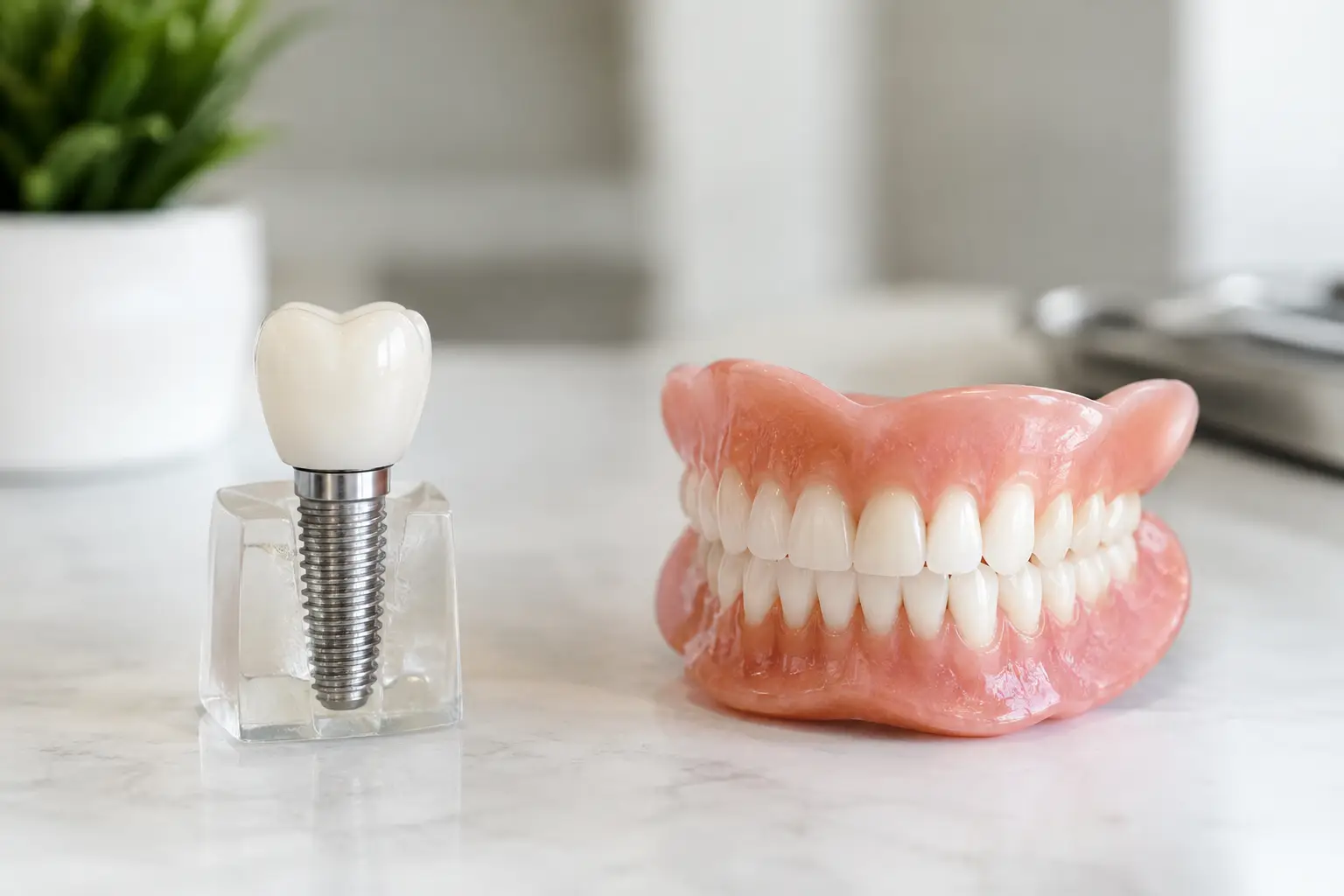
A single dental implant replaces the missing tooth root as well as the visible tooth. It does not require crowns on neighbouring teeth and can help maintain bone in the area of the missing tooth. The trade-off is that implants require surgery, healing time, and sufficient healthy bone. They may also involve a higher upfront investment.
Dentures may be another option when multiple teeth are missing, particularly when surgery is not preferred or is not medically appropriate. The right treatment is not simply the one that looks best on paper. It is the one that supports your oral health, comfort, and daily life in a way that is realistic for you.
Caring for Your Bridge
A bridge cannot get a cavity itself, but the teeth and gums supporting it can still develop decay or gum disease. Daily cleaning is essential, especially around the edges of the crowns and beneath the replacement tooth.
Brush twice daily with a soft toothbrush and fluoride toothpaste. Your dental team may recommend floss threaders, super floss, or an interdental brush to clean under the pontic where a regular piece of floss cannot easily reach. Regular hygiene appointments also allow your dentist and hygienist to monitor the bridge, gums, bite, and supporting teeth.
Avoid using your bridge to open packages or bite hard objects. If you clench or grind your teeth, a custom night guard may help protect the bridge and your natural teeth from excess pressure.
With attentive home care and regular dental visits, many bridges can last for years. Their lifespan varies with oral hygiene, bite forces, material choice, gum health, and the condition of the supporting teeth.
Questions to Ask About a Dental Bridge in Scarborough
Before choosing treatment, it is reasonable to ask how a bridge will affect your neighbouring teeth, what material is being recommended, and what alternatives are available. You may also want to discuss expected longevity, cleaning requirements, and how your insurance coverage applies.
For cost-conscious households, a clear treatment plan matters. Ask for an explanation of fees before treatment begins and whether direct insurance billing is available. Eligible patients may also wish to ask how Canadian Dental Care Plan coverage applies to their recommended care, as coverage can depend on individual eligibility and treatment details.
At Bright Smile Dental Clinic, bridge treatment is approached as part of a larger plan for your oral health, not as a one-size-fits-all procedure. The goal is to help you understand your choices clearly and proceed at a pace that feels comfortable.
A missing tooth deserves attention, but it does not have to become a source of ongoing stress. A thoughtful examination and honest conversation can help you decide whether a bridge, implant, denture, or another approach gives you the comfort and confidence you are looking for.