A dull ache behind your last molar can make eating, sleeping, and concentrating feel harder than it should. If you are searching for wisdom tooth removal Scarborough, you may be dealing with swelling, repeated infections, pressure on nearby teeth, or simply an appointment where your dentist has spotted a concern before it becomes painful. Knowing what happens before, during, and after an extraction can replace much of the uncertainty with a clear plan.
When wisdom teeth need to come out
Wisdom teeth are the third molars at the back of the mouth. They usually emerge in the late teens or early twenties, although timing varies widely. Some people have enough room for them to grow in normally and keep them clean. Others have wisdom teeth that remain partly covered by gum tissue, grow at an angle, or stay trapped beneath the gums or bone. These are often called impacted wisdom teeth.
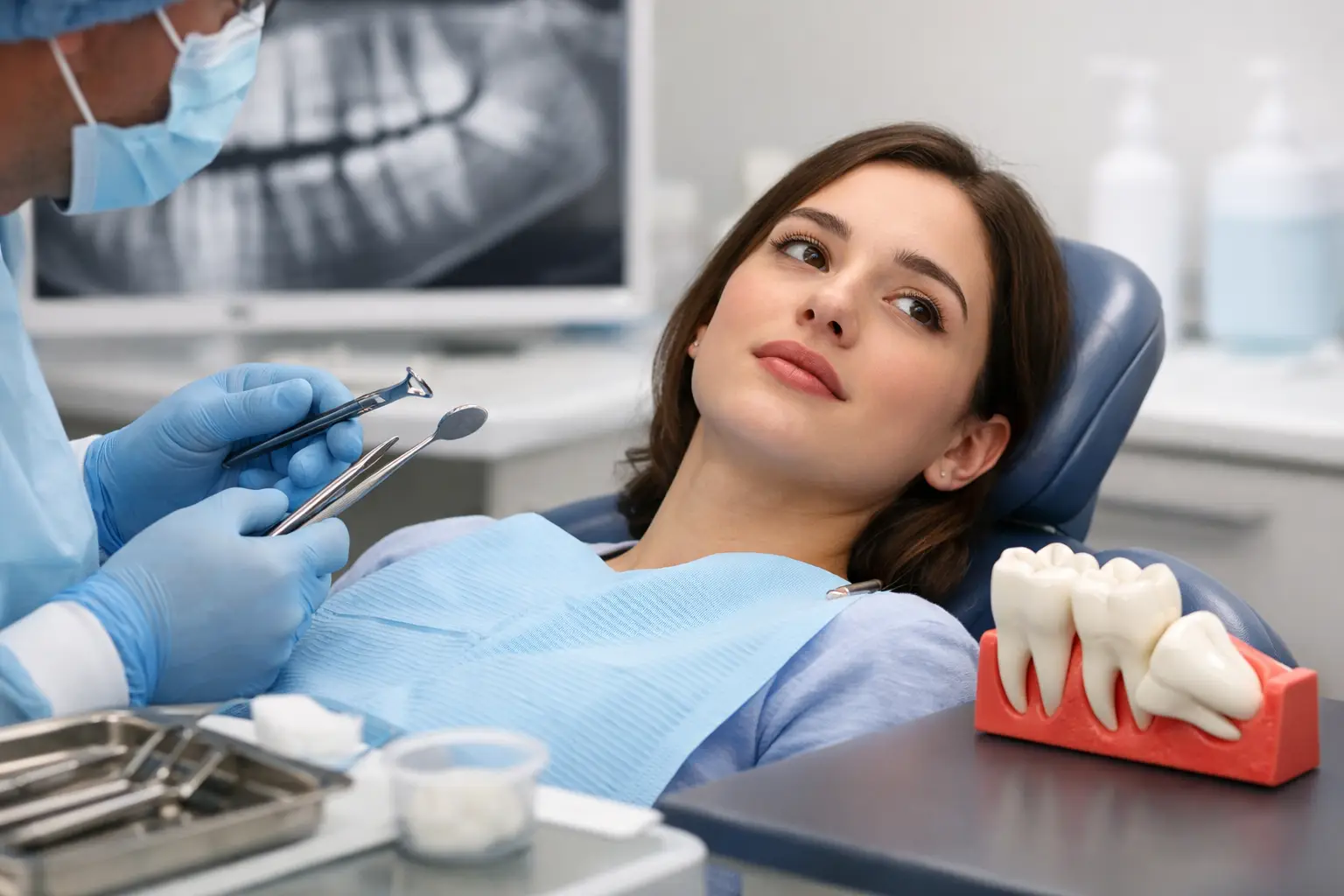
Removal is not automatically necessary just because wisdom teeth are present. Your dentist will look at their position, the health of the surrounding gums, your bite, and the condition of the neighbouring molars. X-rays help show what cannot be seen during a regular examination, including root shape and the tooth’s relationship to nearby structures.
Extraction may be recommended when a wisdom tooth is causing pain, recurring gum inflammation, decay that cannot be predictably restored, damage to the tooth beside it, or a cyst-like change around the tooth. A partially erupted tooth can be especially difficult to brush and floss. Food and bacteria may collect under the gum flap, leading to tenderness, an unpleasant taste, swelling, or infection.
In some cases, monitoring is the better choice. A fully erupted, healthy wisdom tooth that can be cleaned well may not need treatment right away. The decision should be based on your individual oral health, not a one-size-fits-all rule.
Your assessment for wisdom tooth removal in Scarborough
A thoughtful assessment is the first part of comfortable, well-planned care. Your dental team will ask about symptoms, medications, allergies, medical conditions, and any previous experience with freezing or sedation. This conversation matters, particularly if dental anxiety has caused you to delay appointments in the past.
Your dentist will examine the area and review diagnostic imaging to determine whether the extraction is straightforward or surgical. A tooth that is fully visible above the gum line is generally different from one that is angled beneath the gums. The complexity of removal can affect the appointment length, recovery expectations, and whether sedation may be useful.
You should leave the consultation understanding why removal is being recommended, what the procedure involves, and what fees may apply. If you have dental insurance, direct billing may help make the process easier. Eligible patients may also wish to ask about Canadian Dental Care Plan coverage and any remaining costs before treatment is scheduled.
Questions worth asking before treatment
It is reasonable to ask how many teeth are being removed, whether they are impacted, what form of freezing or sedation is appropriate, and how much time you may need away from work or school. You can also ask about pain relief, food restrictions, and who to contact if a concern develops after hours. Clear answers are part of informed consent, not an inconvenience.
What happens during the procedure
Comfort starts with effective local anesthetic, often called freezing. You may feel pressure or movement during the extraction, but you should not feel sharp pain. Let the dental team know immediately if you are uncomfortable. They can pause and provide additional anesthetic when needed.
For a simple extraction, the tooth is gently loosened and removed. When a tooth is impacted, the dentist may need to make a small opening in the gum and remove a small amount of surrounding bone. The tooth may also be divided into smaller sections so it can be taken out more gently. Dissolving stitches are sometimes used to support healing.
Sedation dentistry can be a helpful option for people with significant anxiety, a strong gag reflex, or more complex surgical needs. The right approach depends on your health history and the planned procedure. If your sedation option requires an escort home, arrange that support in advance and plan to rest for the remainder of the day.
The appointment itself may be shorter than you expect, but it is still wise to keep the rest of your schedule light. Your mouth and jaw can feel tired afterward, and the freezing may last for several hours.
Recovery: the first week matters
A blood clot forms in the extraction site after a wisdom tooth is removed. It protects the underlying bone and supports normal healing. Following your post-operative instructions helps keep that clot in place.
For the first 24 hours, rest with your head elevated when possible. Bite gently on the gauze provided and change it as instructed. Choose cool, soft foods such as yogurt, soup that has cooled down, mashed potatoes, smoothies eaten with a spoon, eggs, or pasta. Drink water regularly, but avoid using a straw. The suction can disturb the clot.
Swelling and jaw stiffness commonly increase over the first two to three days before improving. A cold pack applied to the outside of the face in short intervals can help during the first day. Take prescribed or recommended pain medication exactly as directed. Your dentist may also recommend a gentle warm salt-water rinse after the first day, depending on your procedure.
For several days, avoid smoking, vaping, alcohol, strenuous exercise, and crunchy foods that can irritate the area. Brush the rest of your teeth normally but carefully, keeping the toothbrush away from the surgical sites at first. Good hygiene supports healing, yet aggressive rinsing or spitting can interfere with the blood clot.
Most people begin to feel noticeably better within a few days, although complete healing takes longer. Recovery is not identical for everyone. Removing one erupted tooth may require relatively little downtime, while four impacted wisdom teeth can mean more swelling and a longer period of soft foods and rest.
When to call your dentist
Some discomfort, mild bleeding, bruising, and swelling are expected after oral surgery. However, contact your dental office if bleeding does not slow with firm gauze pressure, pain becomes severe or worsens after a few days, swelling continues to increase, or you develop a fever. A persistent bad taste, pus, difficulty swallowing, or trouble breathing also needs prompt attention.
Dry socket is another reason to call. It can occur when the protective blood clot breaks down or becomes dislodged, exposing the extraction area. The pain is often more intense than typical post-operative soreness and may radiate toward the ear or jaw. It is treatable, but it should be assessed rather than managed at home.
Numbness that lasts longer than expected, a rash after medication, or any concern that feels unusual to you also deserves a call. Early guidance can prevent a small issue from becoming a more uncomfortable one.
Planning around work, family, and cost
Many working adults schedule treatment before a quieter day or weekend, while parents may want help with meals and childcare for the first day. If your job involves physical labour, ask when it is safe to return to full activity. Planning ahead for soft foods, medications, and transportation makes recovery less stressful.
Costs vary because no two wisdom tooth cases are exactly alike. Factors include the number of teeth, their position, the imaging required, the degree of impaction, and whether sedation is selected. Your dental team should provide a treatment estimate and discuss payment and coverage options before care begins. The goal is not to rush a decision, but to make sure you can move forward with the information you need.
At Bright Smile Dental Clinic, wisdom tooth care is approached with the same attention given to every stage of your oral health: a careful assessment, gentle techniques, and explanations that help you feel prepared. If a back tooth is causing trouble or you have been told your wisdom teeth need monitoring, arranging an assessment is a practical next step toward feeling comfortable again.