A toothache that keeps you awake, pain when you bite, or swelling around a tooth can make one question feel urgent: should the tooth be saved or removed? The decision between root canal versus extraction is not a simple matter of choosing the quicker procedure. It is a personal treatment decision based on the condition of your tooth, the health of the surrounding gums and bone, your overall health, and what will best support your smile over time.
At Bright Smile Dental Clinic, the goal is to give you a clear explanation without pressure. Many damaged or infected teeth can be treated comfortably and kept in place. In other cases, removing a tooth is the healthier and more predictable option. A careful examination helps identify which path makes sense for you.
Root Canal Versus Extraction: The Key Difference
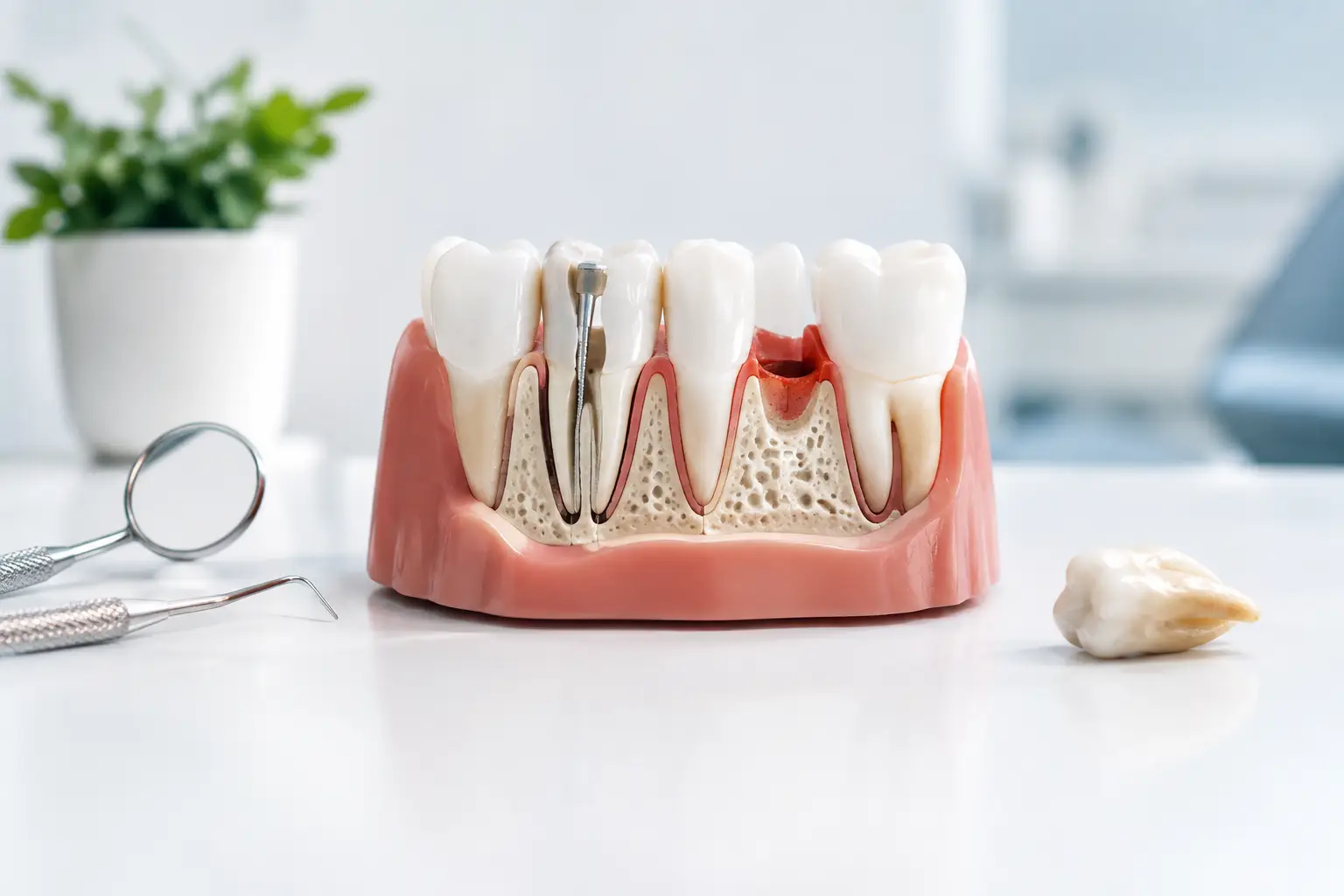
A root canal treatment is designed to save a natural tooth when the soft tissue inside it, called the pulp, is inflamed or infected. This may happen because of deep decay, a crack, repeated dental work, or an injury. During treatment, the dentist removes the infected tissue, cleans and disinfects the inside of the tooth, then seals it. A crown is often recommended afterward to protect the tooth from future fracture.
An extraction removes the tooth completely. This may be necessary when a tooth is too severely broken down to restore, has extensive infection or bone loss, or cannot be predictably repaired. Once the tooth is removed, the next question is whether and how to replace it. Depending on the location of the tooth and your needs, options can include a dental implant, bridge, or removable denture.
Both treatments can relieve pain and address infection. The difference is whether the natural tooth can be retained safely and successfully.
When Saving the Tooth Is Often Possible
Whenever a tooth has a sound root structure and enough healthy tooth material to support a restoration, saving it is usually worth considering. Natural teeth are designed to work together. Keeping one can help preserve your normal bite, chewing ability, and the position of neighbouring teeth.
A root canal may be recommended when decay or infection has reached the nerve but the tooth is still structurally restorable. It can also be appropriate for a tooth with a crack that does not extend too far below the gum line. Modern techniques and local anesthetic make root canal treatment far more comfortable than its reputation suggests. For patients who feel anxious, a gentle approach and sedation options may help make the visit feel more manageable.
Saving a tooth is not always the least expensive choice on the day of treatment, especially if a crown is needed. However, it may avoid the added cost and time involved in replacing a missing tooth later. The best value is not simply the lowest immediate fee. It is the treatment that is likely to stay healthy, functional, and comfortable over the long term.
Why a Crown May Be Needed After a Root Canal
Back teeth handle substantial chewing force. After a root canal, they can become more vulnerable to cracking, particularly if a large filling or decay has already weakened the tooth. A custom crown covers and protects the remaining structure.
Front teeth do not always require a crown, but they may need one if they are extensively damaged or discoloured. Your dentist will explain whether a filling, crown, or another restoration is the appropriate way to protect your treated tooth.
When Extraction May Be the Better Choice
There are situations where trying to save a tooth may not give you a predictable result. If decay extends too far below the gum line, the root is badly fractured, or gum disease has caused severe bone loss and mobility, extraction may be the more responsible recommendation. Re-treating a tooth that has already had several procedures can also be less predictable in some cases.
Extraction can be the right choice when it removes a source of pain or infection and allows you to move toward a stable replacement plan. This is particularly relevant for teeth that are essential for chewing or for maintaining the appearance and balance of your smile.
Not every extracted tooth needs to be replaced immediately. For example, a wisdom tooth usually does not need replacement. But losing a visible tooth or a chewing tooth may cause nearby teeth to shift, alter your bite, or leave the opposing tooth without support. Your dentist can explain the likely impact based on the exact tooth involved.
Replacing a Missing Tooth
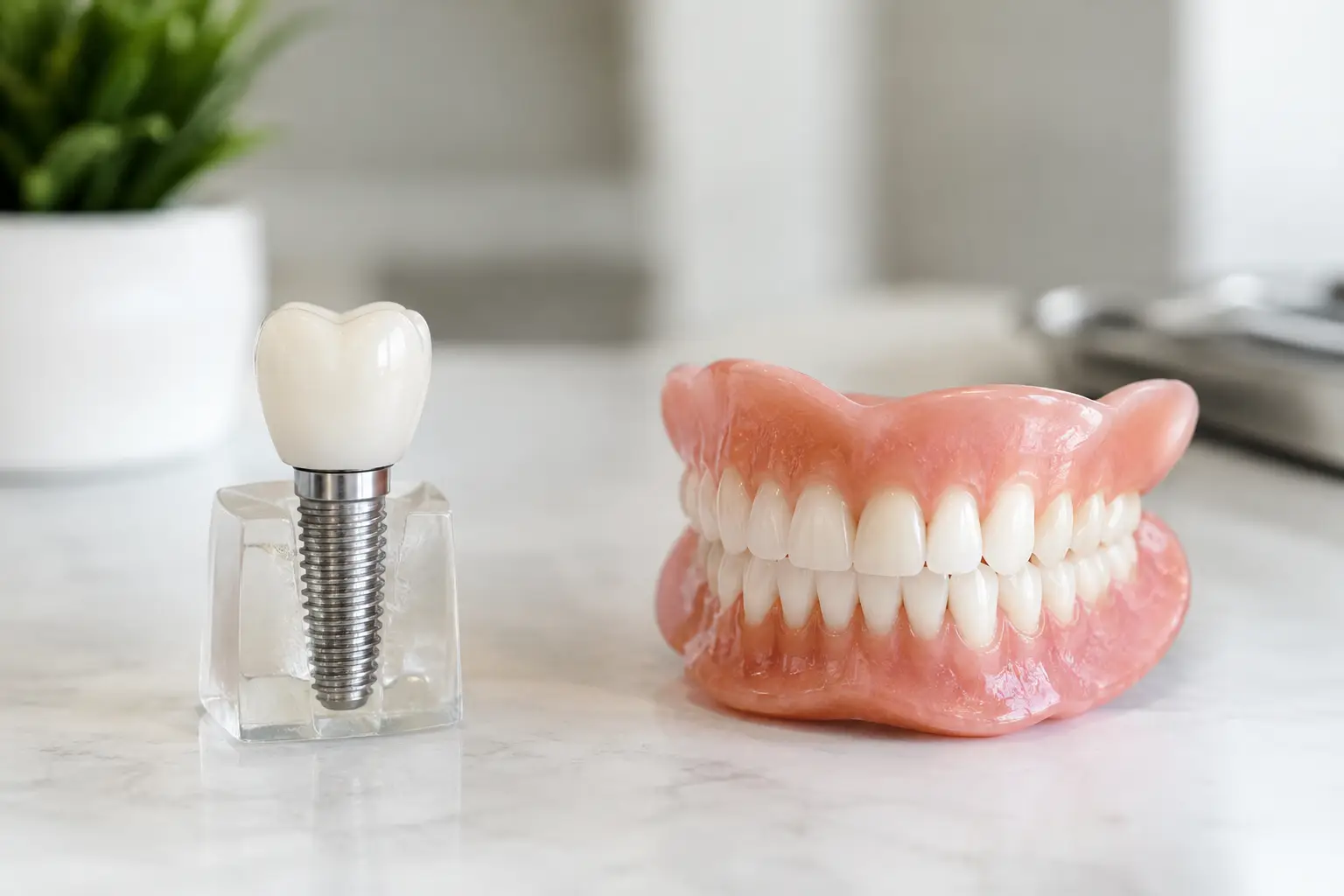
A dental implant is often considered the closest replacement for a natural tooth. It replaces the root beneath the gum line and supports a crown above it, helping to maintain bone in the area. A bridge uses neighbouring teeth for support, while a removable partial denture can replace one or more missing teeth in a more economical way.
Each option involves different timelines, costs, and maintenance needs. An implant may require bone grafting or healing time before the final crown is placed. A bridge can be completed sooner in some cases but requires preparation of the supporting teeth. The right choice depends on your oral health, budget, comfort, and priorities.
What Affects the Cost of Root Canal Versus Extraction?
It is understandable to compare the immediate cost of treatment, especially for families and working adults managing a household budget. An extraction is often less costly at the initial appointment than a root canal and crown. Yet if the missing tooth should be replaced, the total cost of extraction plus an implant, bridge, or denture may be higher than saving the tooth.
Coverage also matters. Dental insurance plans vary in what they contribute toward root canal therapy, crowns, extractions, and tooth replacement. Eligible patients may also have coverage through the Canadian Dental Care Plan. Before treatment begins, a dental team can review available coverage, provide a transparent estimate, and discuss practical sequencing if more than one procedure is needed.
Cost should be part of the conversation, but it should not be the only factor. A lower upfront cost can become more expensive if it leads to shifting teeth, additional restorative work, or a replacement that was not planned for initially.
How Your Dentist Helps You Decide
A recommendation should begin with a complete assessment, not a guess based on symptoms alone. Your dentist may use digital X-rays and clinical testing to look at the roots, surrounding bone, level of infection, cracks, decay, and gum health. They will also consider whether the tooth can be restored in a way that is likely to last.
The conversation should cover the benefits and limitations of each option. Ask how long the proposed treatment is expected to last, what follow-up care it needs, what could change the prognosis, and what happens if you choose to wait. If anxiety is part of what makes the decision difficult, say so. Comfort measures, breaks during treatment, and sedation options can make care feel much more approachable.
A tooth infection should not be ignored because pain has eased. Infection can continue beneath the surface, and early treatment may offer more options for saving the tooth. If you have facial swelling, fever, difficulty swallowing, or trouble breathing, seek urgent dental or medical attention.
The Best Choice Is the One Built Around Your Health
Root canal treatment can preserve a natural tooth and help you continue eating and smiling comfortably. Extraction can remove a tooth that cannot be predictably saved and create a healthier foundation for replacement. Neither option is automatically better for every person or every tooth.
If you are facing this decision, a calm assessment can replace uncertainty with a clear plan. The next helpful step is simply to have the tooth evaluated, understand your options in plain language, and choose care that protects your comfort, function, and long-term oral health.