A missing tooth can affect far more than a smile. It can make eating uncomfortable, change the way you speak, and leave you wondering whether replacing it is worth the stress of treatment. If you are asking, are dental implants painful, the honest answer is that implant treatment should not be painful during the procedure, but some soreness afterward is normal.
Most patients describe dental implant placement as more manageable than they expected. The treatment is carefully planned, the area is thoroughly numbed, and your dental team can discuss comfort options before anything begins. Knowing what happens at each stage can replace uncertainty with a more realistic, reassuring picture.
Are Dental Implants Painful During Treatment?
Dental implant placement is performed with local anesthetic, the same type of freezing used for many fillings, crowns, and tooth extractions. Before the procedure begins, your dentist checks that the area is fully numb. You should not feel sharp pain while the implant is being placed.
You may still notice pressure, gentle pulling, vibration, or movement in the area. These sensations can feel unfamiliar, particularly if dental visits make you anxious, but they are not the same as pain. Let your dentist know right away if you feel discomfort. Treatment can be paused and more anesthetic can be provided when needed.
For patients with significant dental anxiety, a strong gag reflex, or more involved surgical needs, sedation dentistry may be an appropriate option. Sedation can help you feel calmer and less aware of the procedure while your dentist continues to monitor you carefully. It is not necessary for every implant case, but it can make treatment much more comfortable for the right patient.
What Does Dental Implant Recovery Feel Like?
Once the freezing wears off, it is common to have tenderness around the implant site. Most people experience mild to moderate discomfort for a few days, similar to the feeling after an extraction or other minor oral surgery. Swelling, slight bruising, and minor bleeding during the first day can also occur.
Pain is often most noticeable within the first 24 to 72 hours, then steadily improves. Many patients manage it with the medication recommended by their dentist, along with a cool compress applied to the outside of the face. Your individual instructions matter, especially if you take prescription medications or have medical conditions that affect healing.
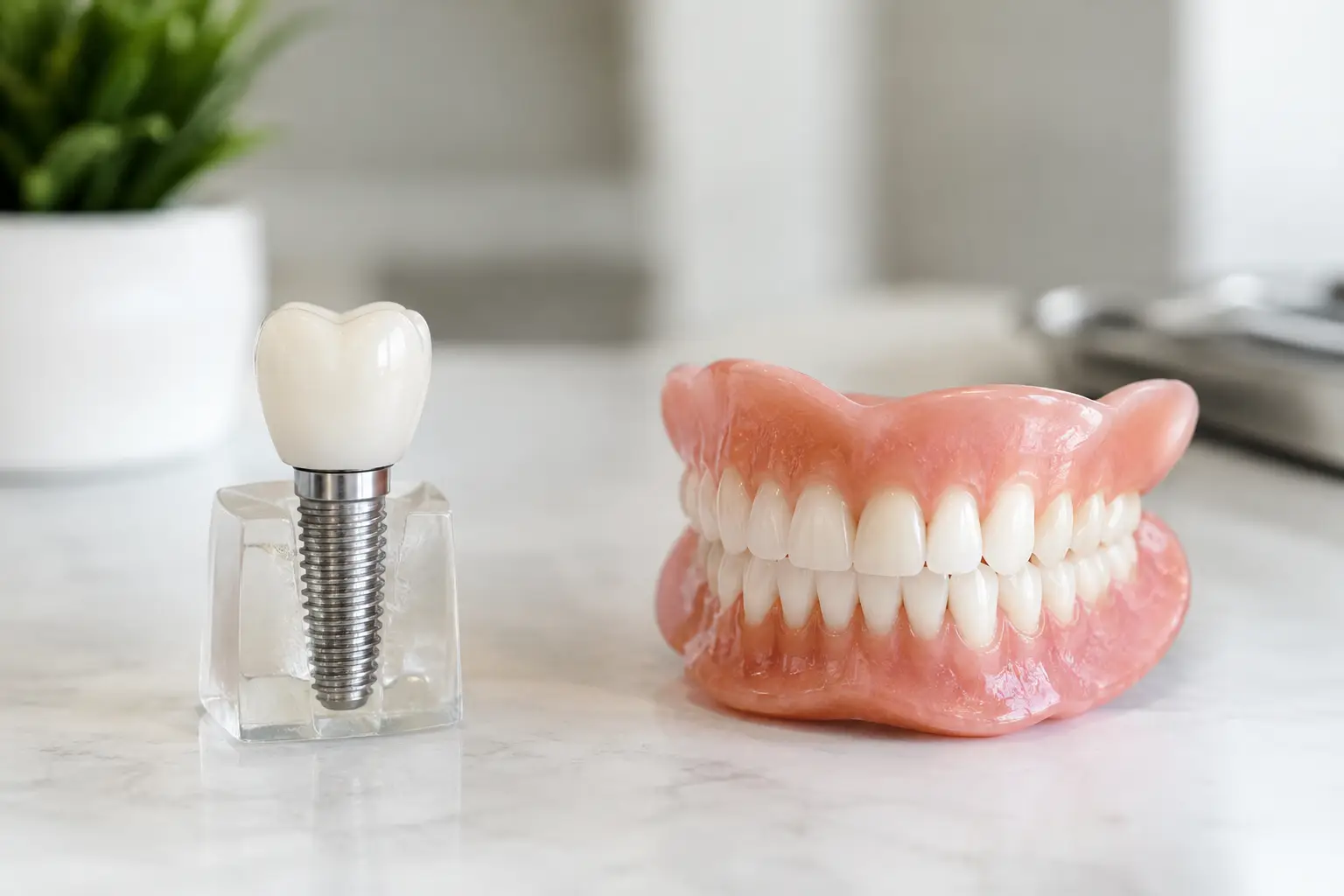
The implant itself is placed in the jawbone, so the surrounding gum tissue and bone need time to heal. Although full integration of the implant with the bone takes several months, that does not mean you will be in pain for months. The longer healing period is usually quiet and uneventful once the initial soreness settles.
Why Some Implant Cases Feel More Tender Than Others
Every mouth and treatment plan is different. A straightforward implant placed into healthy bone may involve a relatively easy recovery. Other cases require additional care before or during placement, which can affect how you feel afterward.
For example, you may need a tooth removed at the same appointment, bone grafting to support the implant, or gum treatment to create a healthy foundation. Replacing several teeth or receiving full-arch implant treatment can also involve more extensive surgery. These procedures are still planned with comfort in mind, but they may lead to more swelling and a longer recovery period.
Existing infection, gum disease, smoking, uncontrolled diabetes, certain medications, and poor oral hygiene can affect healing as well. This is why a thorough examination and personalized treatment plan are so valuable. Your dentist can explain what is involved in your specific case instead of offering a one-size-fits-all estimate.
How Your Dentist Helps Keep You Comfortable
Comfort begins before the appointment. Modern imaging and careful planning help your dentist assess the available bone, identify nearby structures, and place the implant precisely. A clear plan can reduce unnecessary treatment time and help prevent surprises on the day of surgery.
At Bright Smile Dental Clinic, implant discussions focus on both the clinical details and what you need to feel at ease. That may mean explaining each step in plain language, arranging breaks during treatment, reviewing sedation options, or discussing how to prepare for recovery at home.
Good communication matters. If you have had a difficult dental experience in the past, are worried about needles, or feel nervous about surgery, say so before treatment begins. There is no benefit to trying to push through anxiety silently. Your dental team can adjust the pace of care and recommend options that suit your needs.
Making the First Few Days Easier
Following your aftercare instructions is one of the best ways to limit discomfort and support healing. Rest on the day of your procedure and avoid strenuous exercise for the period your dentist recommends. Physical exertion can increase bleeding and swelling.
Choose soft foods at first, such as yogurt, scrambled eggs, soup that is not hot, smoothies eaten with a spoon, mashed vegetables, and soft pasta. Avoid chewing directly on the treatment site. It is also wise to avoid alcohol, smoking, and vaping, as these can interfere with healing and increase the risk of implant complications.
Use a cold pack against the outside of your cheek in short intervals during the first day if swelling is expected. Take medications only as directed, and keep your mouth clean according to your dentist’s instructions. You may be asked to avoid brushing directly over the surgical site at first, while continuing to clean the rest of your mouth carefully.
When Pain After an Implant Needs Attention
Some tenderness is expected. Pain that becomes worse rather than better is not something to ignore. Contact your dentist if you have severe or increasing pain after the first few days, swelling that continues to worsen, persistent bleeding, fever, a bad taste or discharge, or numbness that does not resolve as expected.
An implant should not feel loose, and you should not wait for a routine follow-up if it does. Early communication gives your dental team the best opportunity to assess the area and address any concern promptly. Most implant patients heal well, but attentive follow-up is part of safe, successful care.
Common Questions About Implant Pain
Is getting a dental implant more painful than having a tooth pulled?
It depends on the tooth, the condition of the surrounding tissues, and whether grafting is needed. Many patients find implant placement no more uncomfortable than an extraction, and some find recovery easier because an infected or damaged tooth is no longer causing pain.
Will I need prescription pain medication?
Not always. Many patients are comfortable with non-prescription pain relief when it is safe for them to take it. Your dentist will recommend an approach based on your procedure, health history, and expected recovery needs.
Does the implant crown hurt to place?
No. Once the implant has healed and is ready for its final crown, the restoration stage is generally not painful. You may feel gentle pressure while the crown is fitted and adjusted, but freezing is often not required.
Dental implants are a surgical treatment, so it is reasonable to expect a short recovery period. But pain should not be the reason you put off asking about a replacement for a missing tooth. A thoughtful consultation can give you clear answers about your options, your comfort plan, and the steps that can help you eat, speak, and smile with confidence again.