A toothache, a broken filling, or years without a cleaning can make booking a dental visit feel urgent and stressful at the same time. If you are looking for a CDCP dentist in Scarborough, the right clinic should make the process clearer: explain your care options, help you understand how your coverage may apply, and treat you with patience from your first call onward.
The Canadian Dental Care Plan can make dental care more accessible for eligible Canadians, but it does not replace a personalized treatment plan. Your oral health needs, available coverage, co-payment requirements, and the services recommended by your dentist can all affect what happens next. Knowing what to ask helps you move forward with confidence.
What a CDCP Dentist in Scarborough Can Help With
A CDCP dental visit may begin with the concern that brought you in, but good care looks beyond the immediate problem. A dentist may assess your teeth, gums, bite, jaw comfort, and the condition of existing fillings, crowns, bridges, or dentures. This creates a clearer picture of what needs attention now and what can be monitored or planned for later.
Depending on your eligibility and treatment needs, covered services may include preventive care, examinations, cleanings, fillings, extractions, dentures, periodontal treatment, and certain restorative procedures. Coverage rules and frequency limits can apply, and not every service is covered in the same way. More complex treatment, such as implants, cosmetic veneers, Invisalign, or some advanced restorative options, may involve expenses outside the plan.
That does not mean you should avoid discussing those options. It means your dentist should explain the clinical reason for each recommendation and help you compare practical paths forward. For example, a damaged tooth may be repairable with a filling, may need a crown for longer-term protection, or may require extraction if it cannot be saved. The appropriate choice depends on the tooth, your bite, your health history, and your goals.
Prepare for Your First CDCP Dental Appointment
Bring your CDCP information to your appointment and let the clinic know in advance that you plan to use the program. This gives the team an opportunity to confirm the information needed to submit claims and to explain any steps that may be required before treatment begins.
It also helps to arrive ready to discuss your health and dental history. Let the dental team know about medications, allergies, medical conditions, pregnancy, previous dental treatment, and any anxiety you feel about care. These details are not minor. They help your dentist choose safe, comfortable treatment and avoid surprises during your visit.
Before your appointment, make a short note of:
- pain, sensitivity, swelling, bleeding gums, or difficulty chewing
- when the problem started and whether it is getting worse
- past dental work that feels loose, rough, or uncomfortable
- questions about coverage, co-payments, timing, or treatment alternatives
If you have not seen a dentist in a long time, there is no need to feel embarrassed. Delayed care is common for many reasons, including cost concerns, busy schedules, previous negative experiences, and dental anxiety. The purpose of the first visit is to understand where you are now and build a plan that feels manageable.
Ask for Clear Information About Coverage and Costs
CDCP coverage can vary based on your approved benefit level and the service being provided. Some patients may have a co-payment, while others may need to pay an amount that is not covered by the plan. A dental office can help submit eligible claims directly, but it is still wise to ask for an estimate before treatment begins.
A helpful conversation is straightforward. Ask which recommended services may be covered, whether there could be an out-of-pocket amount, and whether a treatment can be phased over more than one visit. If more than one treatment option is clinically appropriate, ask how each option differs in durability, appearance, comfort, and cost.
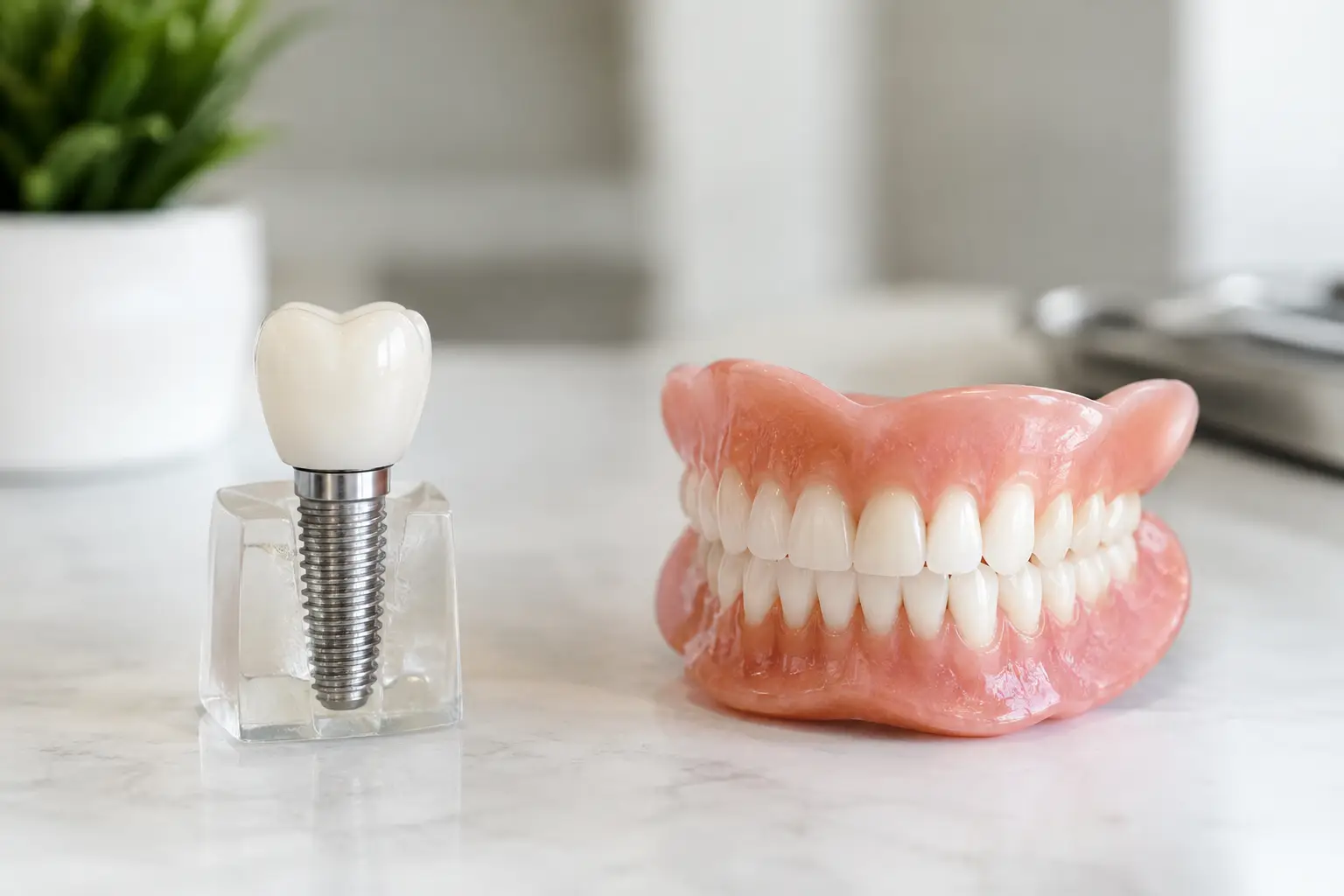
For instance, removing a painful tooth may address an immediate infection or fracture, but replacing a missing tooth may be important for chewing, speech, bite stability, and confidence. A partial denture, bridge, or implant can each serve a different purpose. Your dentist should explain the trade-offs without pressuring you into a decision before you are ready.
Comfort Matters at Every Stage of Care
Many people searching for dental care are also managing fear. Anxiety can arise from a past experience, concern about pain, uncertainty about costs, or simply not knowing what will happen in the chair. A comfort-first dental office takes those concerns seriously.
Gentle techniques, clear communication, breaks when needed, and modern technology can make routine and complex appointments easier to manage. For patients with significant anxiety or those receiving more involved treatment, sedation options may also be discussed when appropriate. The best approach depends on your medical history, the procedure, and your comfort level.
You should never feel rushed through a treatment explanation. Before starting, your dental team should tell you what they are doing, what sensations to expect, and how to signal if you need a pause. This is particularly valuable for children, seniors, first-time patients, and anyone returning to dentistry after a long absence.
Look Beyond the Immediate Dental Problem
A dental plan works best when it balances urgent care with prevention. Treating a cavity or replacing a broken filling is important, but regular hygiene visits and examinations can help identify decay, gum inflammation, worn teeth, bite problems, and oral changes before they become larger concerns.
Gum health deserves special attention. Bleeding when brushing is not something to ignore. It can be a sign of gum inflammation, and untreated periodontal disease may affect the tissues and bone that support your teeth. Professional cleanings, periodontal therapy, and consistent home care can help protect your smile and support better long-term outcomes.
For families, choosing one local practice can also make dental care easier to coordinate. Children may need preventive visits and sealants, adults may need fillings or crowns, and seniors may need denture support, gum care, or help replacing missing teeth. Bright Smile Dental Clinic provides care across these needs while keeping appointments centred on each patient’s comfort, priorities, and oral health goals.
Questions to Ask When Choosing a Dental Clinic
The most suitable clinic is not necessarily the one that promises the fastest answer. Look for a team that listens carefully, explains recommendations in plain language, and provides a realistic view of both treatment and costs.
Ask whether the office accepts eligible CDCP patients and can submit claims directly. Confirm appointment availability, especially if you need urgent care or have work and family obligations. If you are nervous, ask what the team does to support anxious patients and whether sedation may be an option for suitable procedures.
It is also reasonable to ask how the clinic approaches long-term treatment planning. If you need several services, a thoughtful dentist can help prioritize what needs immediate attention, what should be completed soon, and what may safely wait. This approach can make a larger treatment plan feel more practical financially and emotionally.
Common Questions About CDCP Dental Care
Will CDCP pay for every dental service?
No. Your approved coverage level, the type of service, and plan rules determine what may be covered. Some services may have limits, co-payments, or amounts that remain your responsibility. Ask the dental office for an estimate tailored to your proposed treatment.
Can I use CDCP for an emergency dental issue?
If you have pain, swelling, a broken tooth, or a dental infection, contact a dental office promptly. The team can assess the urgency of your situation, arrange an appointment where possible, and discuss the care needed to relieve pain and protect your oral health.
What if I need treatment that is not fully covered?
Your dentist can explain the clinical priority of the treatment and any alternatives that may be appropriate. In some cases, care can be staged so that urgent concerns are addressed first while you plan for future restorative or cosmetic treatment.
Finding a dentist is the first step, not the finish line. Choose a clinic that makes room for your questions, respects your budget, and helps you build a realistic path toward a healthier, more comfortable smile.