A chipped tooth before an important meeting, a child due for a first cleaning, or a denture that no longer feels secure can make finding care feel urgent. Choosing a dentist Scarborough residents can rely on is about more than locating the nearest appointment. It is about finding a team that listens carefully, explains options clearly, and can support your oral health as your needs change.
A good dental relationship should make routine care easier to keep up with and more complex treatment less intimidating. Whether you are new to the area, returning to the dentist after a long gap, or looking for care for your whole household, a few practical considerations can help you choose with confidence.
What to Look for in a Dentist in Scarborough
The right clinic should be able to meet you where you are now, not make assumptions about your comfort level, budget, or dental history. For some patients, that means a straightforward checkup and hygiene cleaning. For others, it may mean addressing tooth pain, gum bleeding, missing teeth, alignment concerns, or anxiety about treatment.
Start with the clinic’s approach to communication. Dental recommendations should be explained in plain language, including what the concern is, why treatment may be recommended, what alternatives exist, and what may happen if you wait. You should have time to ask questions and understand the expected benefits, limitations, and costs before proceeding.
Convenience matters too, especially for busy families and working adults. Appointment availability, a location that fits your routine, direct insurance billing, and the ability to provide several types of care in one practice can reduce the stress of managing dental appointments. For eligible patients, support with Canadian Dental Care Plan coverage can also make a meaningful difference when planning treatment.
Comfort is a clinical priority, not an extra
Many people avoid dental visits because of a difficult past experience, fear of needles, concern about discomfort, or uncertainty about what will happen during treatment. These concerns are common, and they deserve a respectful response.
A comfort-first dental experience begins before treatment starts. It includes a calm conversation, gentle techniques, breaks when needed, and clear explanations at each stage. For patients who need additional support, sedation dentistry may be an option depending on the procedure, health history, and level of anxiety. Sedation is not necessary for everyone, but knowing it is available can help some patients feel more in control.
Modern technology can improve comfort and precision, but it should never replace attentive care. Digital imaging, detailed diagnostics, and carefully planned treatment are most useful when they help your dental team make decisions that are tailored to you.
Match Your Dental Concern to the Right Care
A full-service dental clinic can make it easier to receive coordinated care rather than having to start over with a new provider for each concern. Still, the best treatment always depends on your goals, oral health, timeline, and budget.
If your goal is prevention, regular examinations and hygiene cleanings help identify decay, gum inflammation, bite changes, and other concerns before they become more complicated. Your dentist may also discuss home care habits, fluoride needs, grinding, or diet factors that affect your teeth and gums.
When a tooth is damaged by decay, wear, or a fracture, treatment might range from a filling or bonding to a crown. A filling is often appropriate when the damaged area is smaller and enough healthy tooth structure remains. A crown may be recommended when a tooth needs more protection. The right choice is not always the least extensive treatment or the most extensive one – it is the option that gives the tooth a realistic chance of functioning well over time.
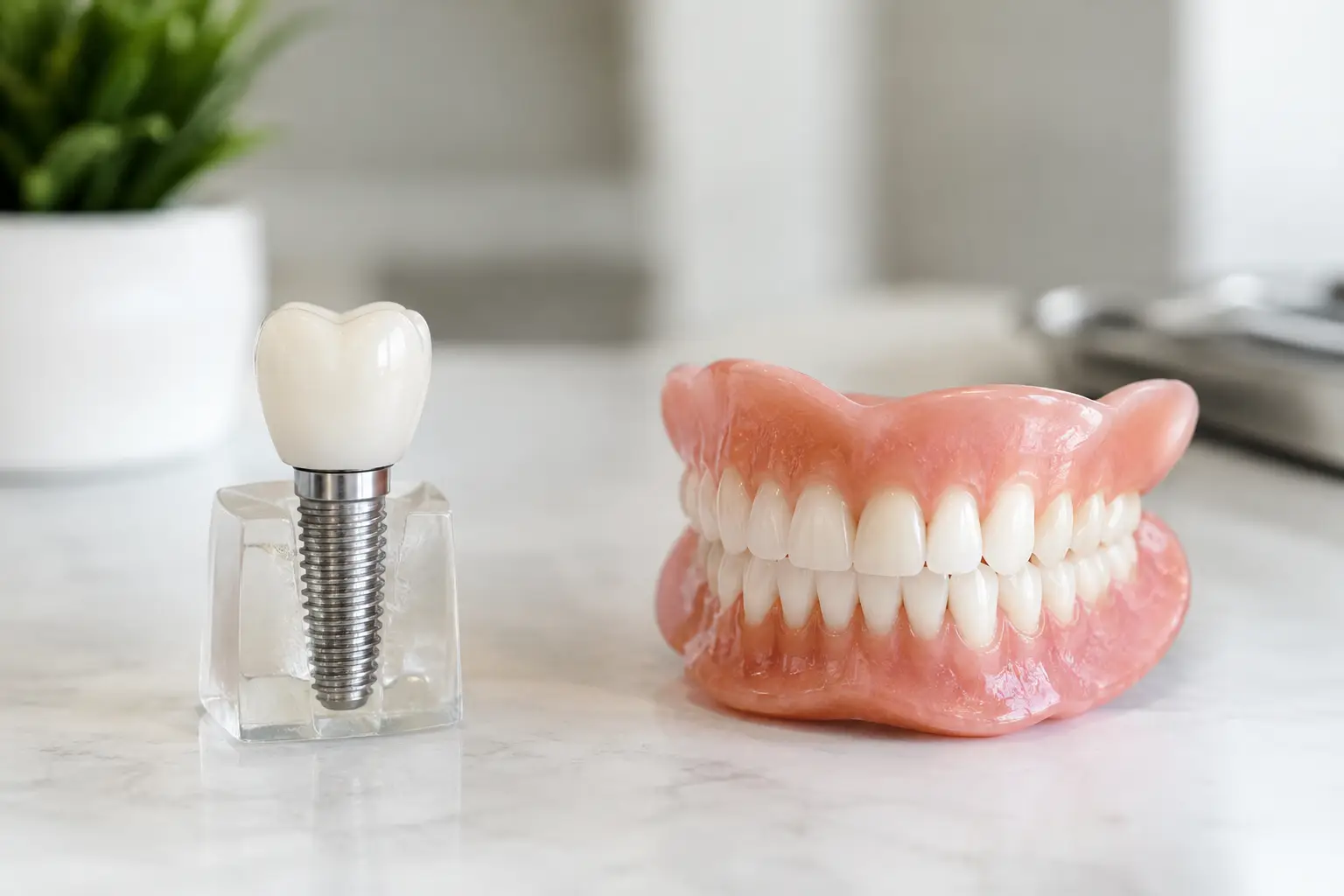
Missing teeth can affect chewing, speech, confidence, and the alignment of nearby teeth. Bridges, dentures, and dental implants each offer different advantages. Dentures can be a practical solution for many patients, while implants may provide added stability and help preserve bone in suitable candidates. Implant treatment can involve surgery, healing time, and sometimes bone grafting, so it is worth discussing the full process rather than focusing only on the final result.
Gum health deserves the same attention as teeth. Bleeding while brushing, persistent bad breath, gum recession, tenderness, or loose teeth may point to gum disease. Early gum treatment can often focus on professional cleaning and improved home care. More advanced cases may need periodontal therapy or gum grafting. Waiting can make treatment more involved, which is why regular visits are valuable even when nothing hurts.
Ask for a Treatment Plan You Can Understand
A treatment plan should feel like a conversation, not a sales presentation. If several concerns are identified, your dentist should help you understand what needs attention soon, what can be monitored, and what may be elective.
For example, a painful infection or broken tooth generally needs prompt care. A cosmetic improvement, such as whitening, veneers, or a complete smile makeover, can often be planned around your schedule and priorities. Invisalign may be a good fit for patients who want to straighten teeth discreetly, but it requires consistent wear and ongoing monitoring. Traditional approaches may be better in some bite situations.
When reviewing costs, ask whether treatment can be phased safely. Sometimes completing urgent restorative or gum care first is the most sensible path, then moving on to longer-term cosmetic or orthodontic goals. Phasing is not appropriate for every condition, but a patient-centred clinic will explain where flexibility exists and where delaying care carries greater risk.
Clear financial conversations are part of respectful care. Direct insurance billing can simplify payment, but coverage levels vary by plan. A clinic should help you understand estimated coverage while making it clear that insurers, not the dental office, make final reimbursement decisions.
Consider Care for Your Whole Household
Families often benefit from having one trusted practice that can care for children, parents, and grandparents. Children need positive early visits that build familiarity and good habits. Adults may need help managing cavities, worn teeth, jaw tension, or cosmetic concerns. Seniors may need support with dentures, dry mouth, gum disease, or replacing older dental work.
A clinic that offers preventive, restorative, surgical, cosmetic, orthodontic, and periodontal care can provide continuity as these needs evolve. This does not mean every patient will need every service. It means your dental records, preferences, and overall goals can stay connected over time.
TMJ concerns are a good example. Jaw pain, clicking, headaches, or clenching may be related to the bite, stress, muscle tension, or several factors together. There is rarely a one-size-fits-all answer. A careful assessment can help determine whether a night guard, bite adjustment, restorative planning, or another approach may be useful.
What Should Happen at Your First Visit?
Your first appointment should give both you and the dental team a clear starting point. Expect a discussion of your health history, dental concerns, medications, and goals. An examination and diagnostic imaging may be recommended when clinically appropriate, followed by a discussion of findings and next steps.
If you have avoided care for years, you do not need to apologize. The most helpful thing you can do is be open about what has made dental visits difficult and what you hope to change. A thoughtful team will focus on the next manageable step, whether that is a cleaning, relief from pain, a consultation about missing teeth, or simply time to become comfortable with the clinic.
Questions worth asking before you commit
You may want to ask how the clinic handles dental anxiety, whether same-day urgent appointments are available, and how treatment options are presented when there is more than one reasonable choice. It is also helpful to ask about insurance billing, CDCP eligibility support, and what follow-up looks like after more involved procedures.
The answers should leave you feeling informed, not pressured. Trust is built when a dental team respects your decisions and gives you the information needed to make them.
Bright Smile Dental Clinic is built around this kind of long-term, comfort-focused care for Scarborough patients. The best next step is often simply booking a visit, sharing what is on your mind, and allowing a caring team to help make your next decision feel more manageable.