Missing a tooth can affect more than the appearance of your smile. You may find yourself chewing on one side, avoiding certain foods, speaking less confidently, or feeling concerned about nearby teeth shifting over time. For patients considering dental implants in Scarborough, the first question is usually practical: will this treatment feel manageable, fit their goals, and provide a lasting result?
A dental implant is designed to replace both the root and visible portion of a missing tooth. It can be an excellent option for many adults, but it is not a one-size-fits-all procedure. A careful assessment, a clear treatment plan, and realistic expectations are what help make implant treatment successful.
How dental implants replace missing teeth
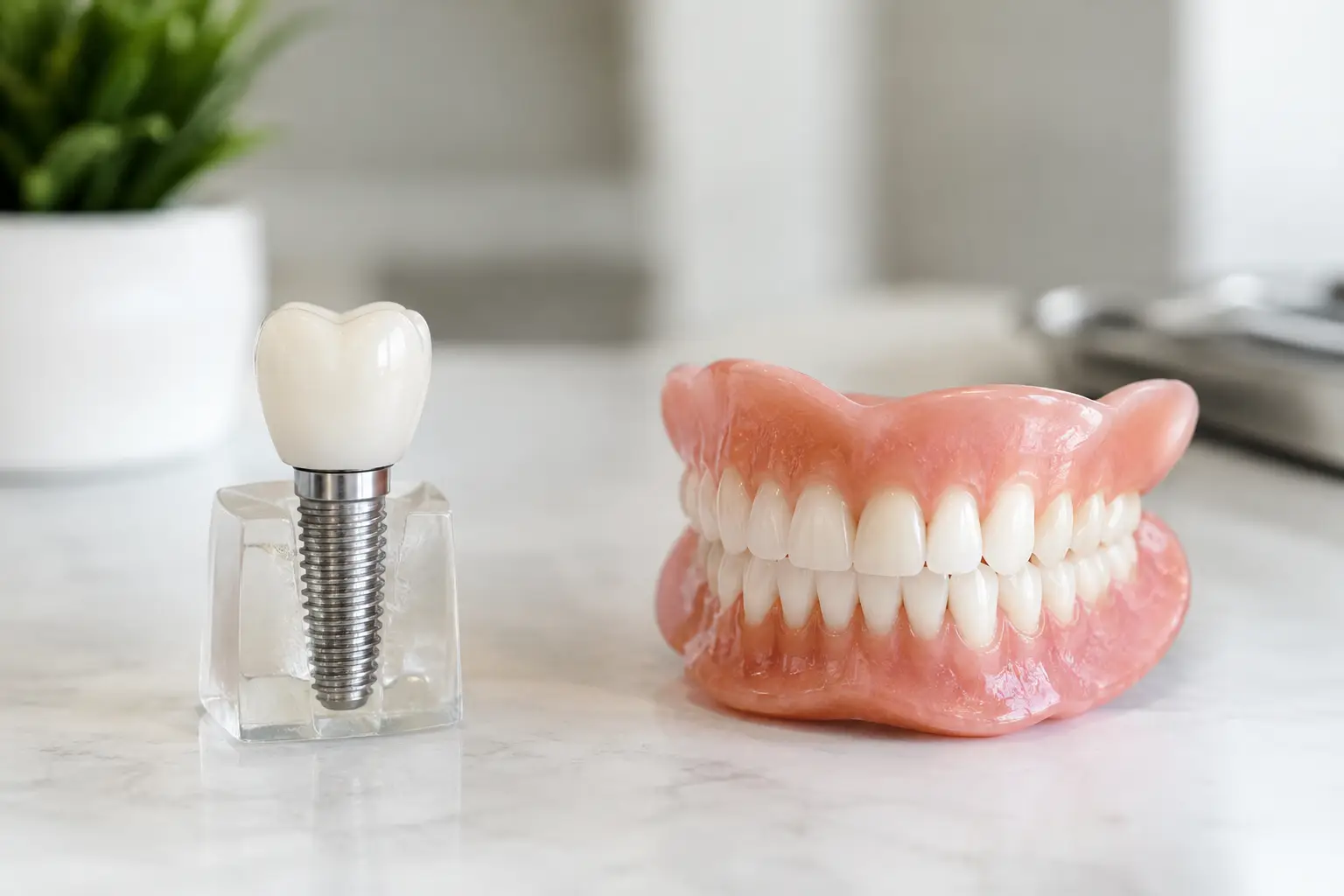
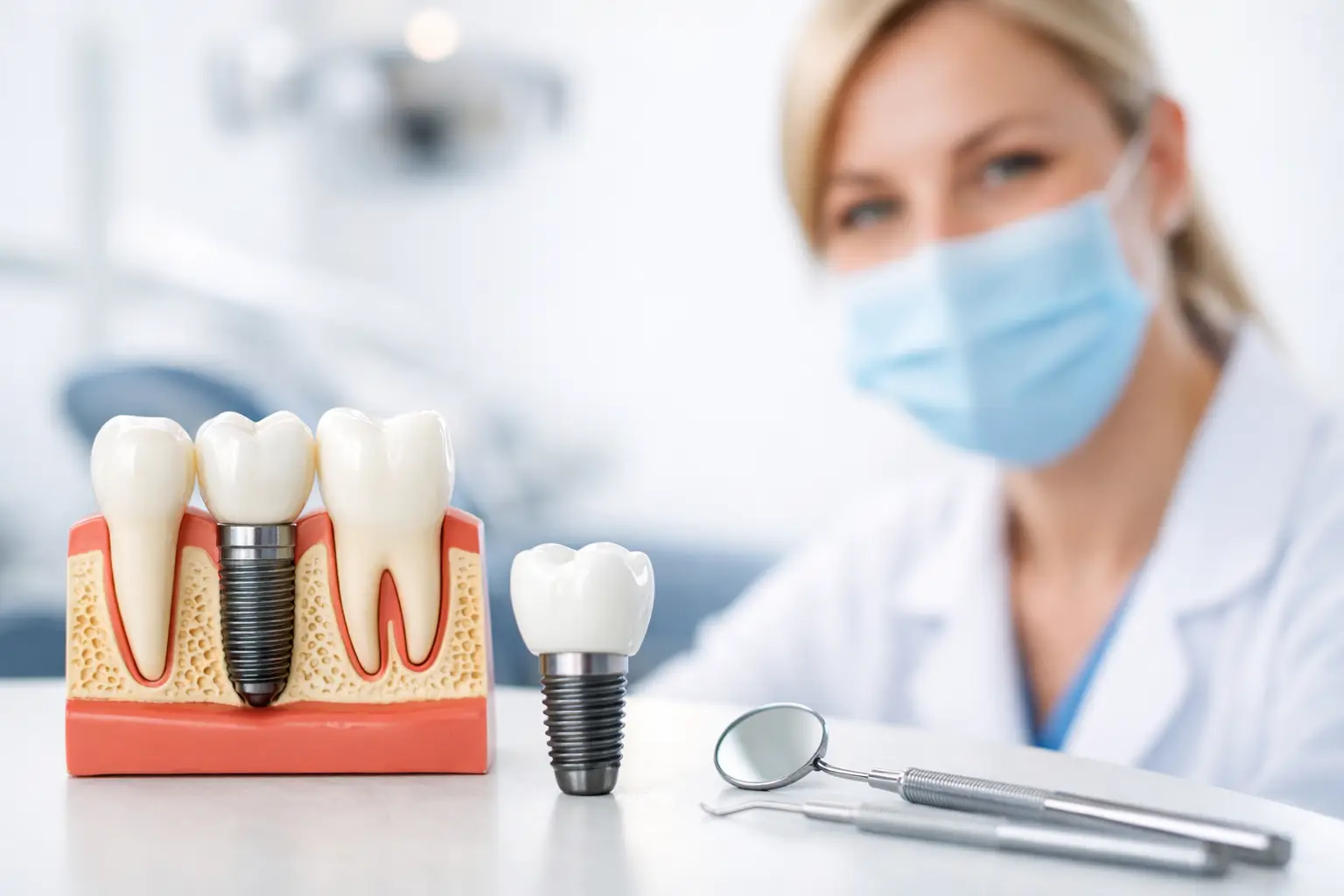
A dental implant is a small titanium post placed in the jawbone where a tooth root once was. Over time, the surrounding bone bonds with the implant through a natural healing process. Once the area has healed sufficiently, the implant can support a custom crown for one missing tooth, or help secure a bridge or denture when several teeth are missing.
The finished restoration is made to blend with your smile in colour, shape, and bite. Unlike a removable denture, an implant-supported tooth is fixed in place. Unlike a traditional bridge, it often allows replacement of a missing tooth without preparing the healthy teeth on either side.
That does not mean implants are automatically the best choice in every situation. A bridge may be a sensible option when neighbouring teeth already need crowns, while a partial denture may suit someone seeking a lower initial cost or a non-surgical solution. The right choice depends on your oral health, timeline, budget, and priorities for comfort and function.
Who may be a candidate for dental implants in Scarborough?
Many people with one or more missing teeth can be considered for implants. Age alone is rarely the deciding factor. What matters more is the health of your gums, the amount and quality of jawbone, your medical history, and your ability to maintain regular home care and dental visits.
During an implant consultation, your dental team will examine your teeth and gums, review your health history, and use imaging to assess the jawbone and surrounding structures. This planning stage is essential. It helps identify concerns that could affect healing, such as untreated gum disease, infection, tooth grinding, smoking or vaping, poorly controlled diabetes, or certain medications.
Sometimes a patient has been told they do not have enough bone for an implant. That may be true in its current state, but it does not always rule treatment out. Bone grafting can sometimes rebuild or preserve the area before implant placement. If a tooth has recently been removed, acting promptly may also help reduce bone loss, although every case needs individual assessment.
The implant process, step by step
Treatment is carefully paced to protect healing and support a predictable result. The timing varies based on whether a tooth needs to be removed, whether grafting is required, and where the implant will be placed.
Planning for your smile and bite
Your appointment begins with a discussion about what is missing from your smile and what you want treatment to achieve. Some patients are most concerned about eating comfortably again. Others want a stable alternative to a loose denture, or a natural-looking replacement for a visible front tooth.
Digital imaging and clinical examination help guide implant position. The goal is not simply to place an implant in open space. It must be positioned with attention to the bone, gums, neighbouring roots, bite forces, and the final crown or denture it will support.
Implant placement and healing
The implant is placed during a minor surgical appointment using local freezing. Many patients are surprised that the procedure is more comfortable than they expected. If dental anxiety is making it difficult to move forward, sedation options may be discussed as part of your personalized plan.
Following placement, the implant needs time to heal and integrate with the jawbone. This can take several months. You may receive a temporary tooth during this period, particularly when the missing tooth is visible, but the best temporary option depends on the location and stability of the implant site.
The final restoration
Once healing is confirmed, an attachment is placed on the implant and impressions or digital scans are taken for your final crown, bridge, or denture. The restoration is designed to feel comfortable when you bite and to complement your natural teeth.
A final follow-up allows your dentist to check the fit, bite, gum response, and home-care routine. This attention to detail helps protect both the implant and the teeth around it.
What recovery is really like
Most patients can return to normal light activities within a day or two, though it is wise to avoid strenuous exercise immediately after surgery. Tenderness, mild swelling, and minor bruising can occur for a few days. These symptoms are usually managed with the instructions and medication recommendations provided by your dental team.
Soft foods are commonly recommended at first. You may need to avoid chewing directly on the implant area while it heals, even if you feel fine. Healing beneath the gums is not always visible, and giving the site time is an important part of treatment.
Contact your dental office if you have worsening pain, persistent bleeding, significant swelling, fever, or any concern about healing. Clear post-operative guidance matters because patients should never feel they are left to guess what is normal.
Caring for implants for the long term
Dental implants do not decay like natural teeth, but they still need consistent care. Plaque can build up around the gums and implant components, potentially leading to inflammation and bone loss if it is not addressed. This condition is often called peri-implant disease.
Daily brushing, cleaning between teeth with the tools recommended for your restoration, and regular hygiene appointments are central to protecting your investment. Patients with implant-supported bridges or dentures may need specific brushes, floss threaders, or water flossing techniques to clean beneath and around the restoration effectively.
Your dentist will also monitor your bite. Grinding or clenching can place excessive force on an implant crown, just as it can damage natural teeth. A night guard may be recommended when appropriate.
Cost, coverage, and treatment choices
The cost of dental implant treatment varies because no two cases are identical. It may include imaging, extraction, bone grafting, implant placement, a healing component, and the final crown or bridge. A written treatment plan should explain what is included, what may be additional, and whether treatment is being completed in stages.
Insurance coverage for implants differs widely between plans. Some policies contribute toward portions of treatment, while others may cover an alternative restoration instead. Direct insurance billing can help simplify the process where available, but it is still helpful to understand your annual maximums and any limitations before beginning care. Eligible patients should also ask how Canadian Dental Care Plan coverage may apply to their individual treatment needs.
Choosing the lowest initial cost is understandable, especially for families managing several health expenses. Still, it is worth comparing the expected lifespan, maintenance needs, comfort, and effect on surrounding teeth when considering implants, bridges, or dentures. A good treatment conversation respects both your health goals and your financial reality.
Common questions about implants
Are dental implants painful?
Implant placement is performed with local freezing, so you should not feel sharp pain during treatment. Afterwards, discomfort is generally similar to that following other dental surgical procedures and can often be managed with appropriate care. Sedation may be an option for patients who feel particularly anxious.
How long do dental implants last?
With healthy gums, good daily care, and regular professional monitoring, implants can last many years. The crown attached to an implant may eventually need repair or replacement because it experiences normal chewing wear. Long-term success also depends on factors such as smoking, gum health, bite forces, and attendance at preventive visits.
Can an implant replace several missing teeth?
Yes. Depending on the location and condition of the jawbone, two or more implants may support a fixed bridge, and implants can also stabilize full or partial dentures. This can be particularly helpful for people whose dentures move while eating or speaking.
A missing tooth does not have to dictate how you eat, speak, or smile. If you are ready to discuss your options, Bright Smile Dental Clinic can help you understand whether implant treatment suits your mouth, your comfort level, and the future you want for your smile.