A smile can look straight in photos while still feeling crowded, uneven, or difficult to clean. For many adults and teens, the concern is not only appearance. Teeth that overlap can trap plaque, make flossing frustrating, and sometimes affect how the bite feels. Invisalign in Scarborough offers a discreet orthodontic option for people who want to improve alignment without the look and feel of traditional braces.
Clear aligner treatment is not a one-size-fits-all cosmetic service. The right plan begins with an examination, a conversation about your goals, and an honest assessment of what your teeth and bite need. Knowing what to expect can help you decide whether this approach suits your lifestyle, comfort preferences, and oral health.
How Invisalign Treatment Works
Invisalign treatment uses a series of clear, custom-made removable aligners. Each set applies gentle, carefully planned pressure to move specific teeth in small stages. You wear one set for the prescribed period, commonly one to two weeks, before moving to the next set.
Unlike fixed braces, aligners can be removed for meals, brushing, and flossing. That convenience matters to many working adults, students, and parents with busy schedules. It also means the treatment relies on consistency. Aligners generally need to be worn about 20 to 22 hours each day to keep treatment progressing as planned.
Your dentist will take digital scans or impressions to plan tooth movement and create your aligners. Follow-up visits are used to monitor progress, answer questions, and make sure the teeth are tracking properly. Some patients also need small tooth-coloured attachments placed on selected teeth. These are discreet and give the aligners a better grip for more precise movements.
Who May Be a Good Candidate for Invisalign in Scarborough?
Clear aligners can treat many common alignment concerns, including mild to moderate crowding, spaces between teeth, rotated teeth, and certain bite issues. They may also be appropriate for patients whose teeth have shifted after previous orthodontic treatment.
The best candidate is not simply someone who wants an invisible alternative to braces. A good candidate has healthy teeth and gums, is willing to wear the aligners as directed, and understands that orthodontic treatment requires follow-through. If gum disease, untreated decay, broken teeth, or significant jaw concerns are present, those issues may need attention before or alongside orthodontic care.
Age is only one part of the picture. Responsible teens can do very well with aligners, while adults of all ages may be candidates if their oral health and treatment goals support it. For seniors, the decision may also involve existing crowns, bridges, implants, gum health, and the condition of the supporting bone.
Some complex bite problems may be better treated with braces, a combination of orthodontic methods, or a referral to an orthodontic specialist. A careful consultation should make those limits clear. The most appropriate treatment is the one that protects long-term function, not simply the one that seems most convenient.
What Happens at Your Consultation?
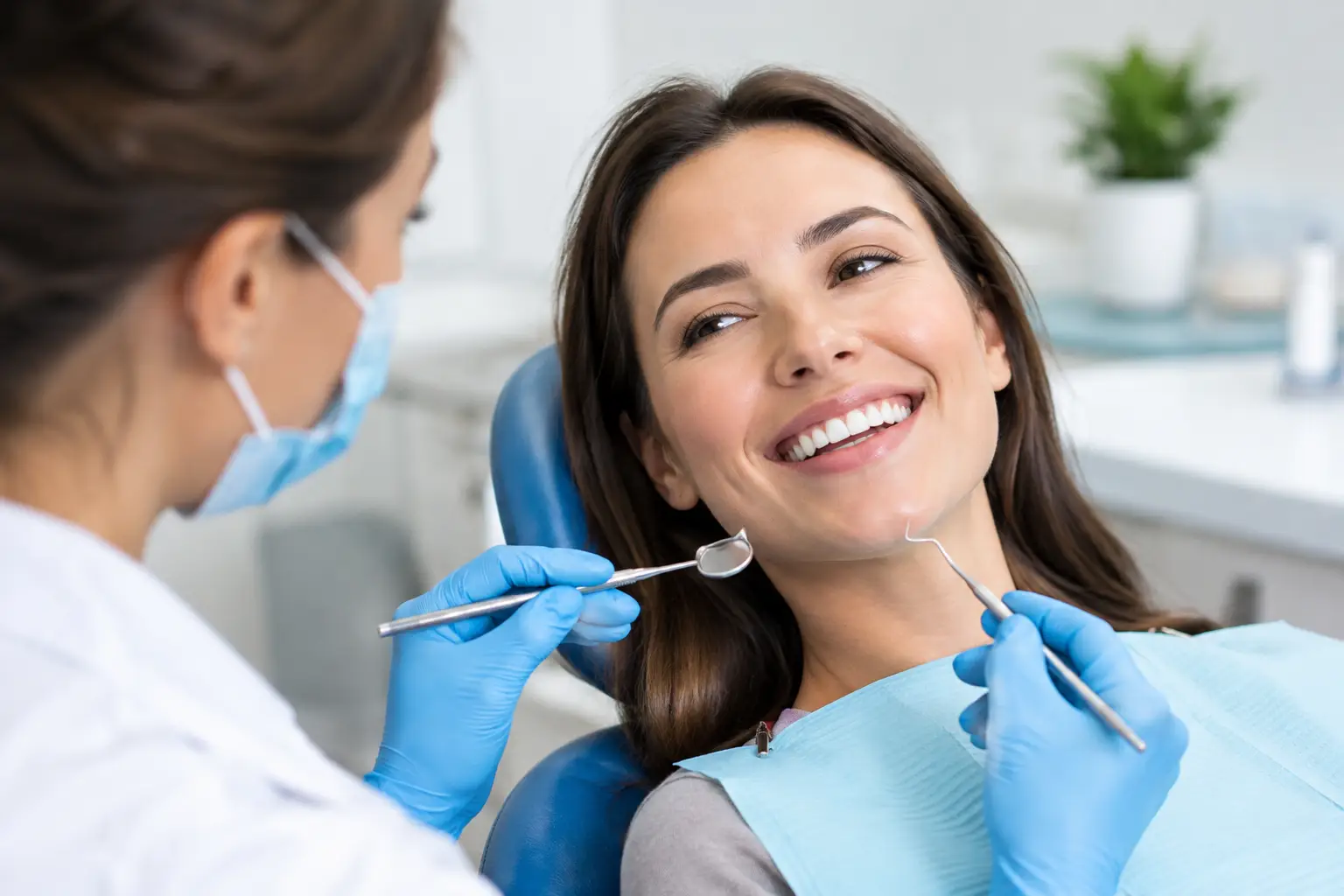
A clear aligner consultation should feel like a conversation, not a sales appointment. Your dental team will look at the position of your teeth, your bite, gum health, existing dental work, and any symptoms such as jaw discomfort or tooth sensitivity. X-rays or digital scans may be recommended to see information that is not visible during a regular examination.
You will also have an opportunity to describe what you would like to change. Perhaps one lower tooth has become crowded, you are concerned about a gap, or you want to straighten your smile before a wedding or professional milestone. Those goals matter, but they need to be balanced with what is clinically healthy and achievable.
A personalized plan should explain the anticipated treatment length, how often you will be reviewed, whether attachments or enamel reshaping may be needed, and what happens after active treatment. It should also address fees, insurance coverage where available, and payment options. Direct insurance billing may help make the process easier for eligible patients, but coverage varies by plan and should be confirmed in advance.
Everyday Life With Clear Aligners
Most people adjust to aligners quickly. You may notice pressure or mild tenderness when starting a new set, especially for the first day or two. This usually means the aligner is applying the intended force. Significant pain, sharp edges, or an aligner that does not fit properly should be brought to your dental team’s attention.
Because aligners are removable, you can continue eating the foods you enjoy. They should be taken out before meals and hot drinks other than water, then stored safely in their case. Wearing them while drinking coffee, tea, or red wine can stain the plastic. Leaving them in a napkin is a common way aligners get accidentally thrown away.
Good hygiene becomes even more important during treatment. Brush and floss before putting aligners back in whenever possible, and clean the aligners according to your dentist’s instructions. Putting them over unbrushed teeth can hold food debris and bacteria against the enamel, increasing the risk of odour, cavities, or gum irritation.
For patients who grind their teeth, have TMJ symptoms, or are prone to dry mouth, the treatment plan may need extra consideration. Clear aligners can still be possible, but comfort and tooth protection should be discussed openly from the start.
Treatment Time, Results, and Retainers
Treatment time varies. Minor tooth movement may take several months, while more involved alignment and bite correction can take a year or longer. Your individual response, the complexity of the movements, and how consistently you wear your aligners all influence the timeline.
Sometimes refinement aligners are needed after the first series. This does not automatically mean treatment has failed. Teeth can respond differently than predicted, and refinements allow the final result to be adjusted with care. The goal is not to rush to the finish line. It is to achieve a stable, healthy result.
Once active treatment is complete, retainers are essential. Teeth naturally tend to shift throughout life, even after braces or aligners. A retainer holds your teeth in their new positions while the surrounding tissues adapt. Your dental team will explain how often to wear it and how to care for it. Skipping this stage can allow hard-earned alignment to change again.
Questions Worth Asking Before You Begin
Before choosing Invisalign treatment, ask how your bite will be assessed, what alternatives are appropriate for your case, and what is included in the quoted fee. It is also reasonable to ask about expected wear time, the number of follow-up appointments, refinement aligners, lost aligners, and retainers.
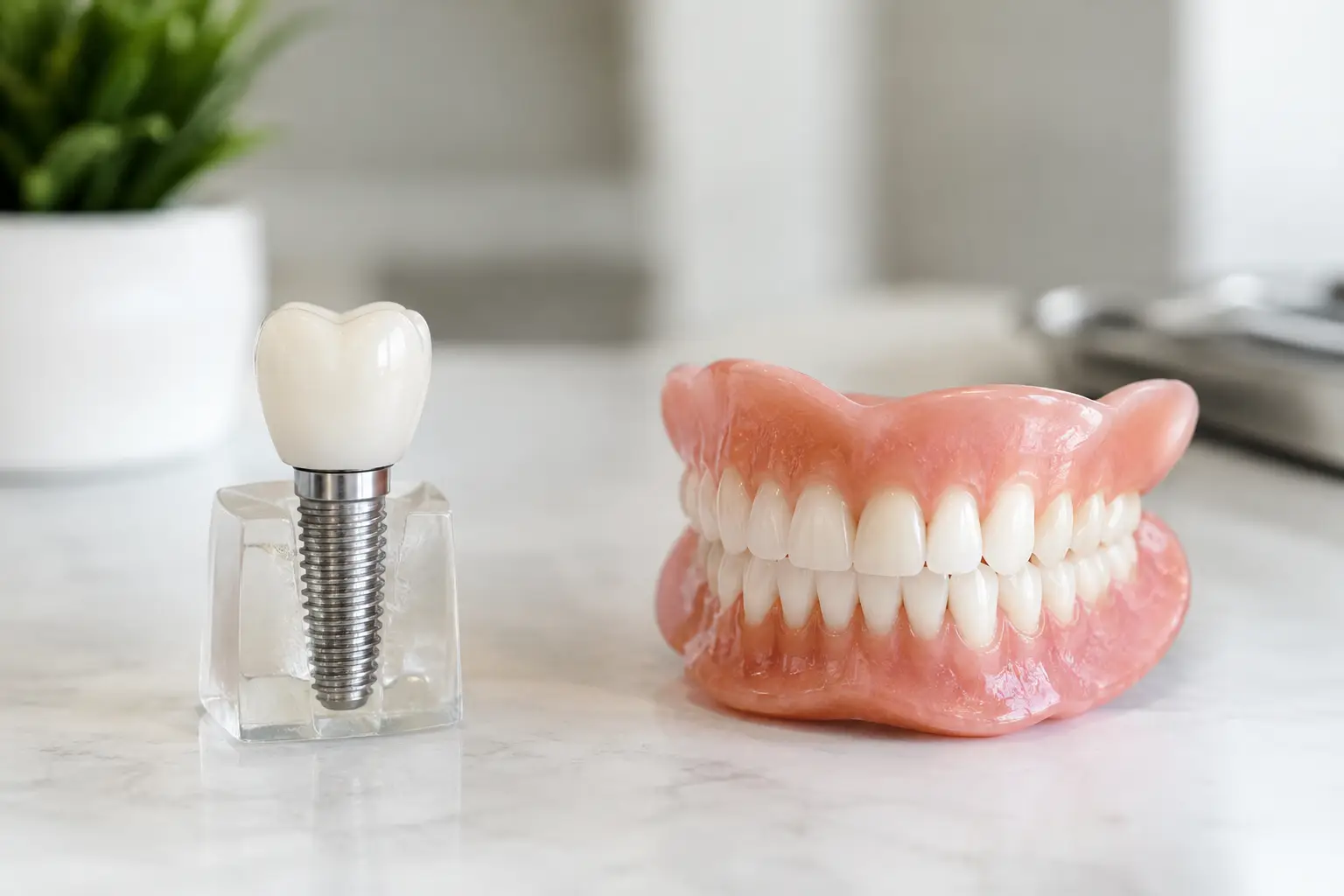
If you have crowns, veneers, implants, or a history of gum treatment, ask how these may affect planning. Clear aligners move natural teeth, not implants, and existing restorations may influence which movements are possible. A thoughtful treatment plan accounts for your whole mouth rather than focusing only on the teeth visible when you smile.
Will Invisalign Affect Speech?
Some patients notice a slight lisp during the first few days because the tongue is adapting to the aligners. Reading aloud or speaking normally through the adjustment period usually helps. For most people, speech returns to normal quickly.
Can I Get Invisalign If I Have Dental Work?
Often, yes. Crowns, fillings, and veneers do not automatically prevent treatment. However, they must be evaluated to ensure they are healthy and stable. Implants do not move, so they require especially careful planning around the surrounding teeth.
Is Invisalign Only for Cosmetic Changes?
No. Improving alignment can make teeth easier to clean and may help distribute biting forces more evenly. Cosmetic goals are valid, but treatment should always be planned with oral health and function in mind.
A straightening plan should leave you feeling informed, comfortable, and confident about the next step. At Bright Smile Dental Clinic, patients can expect clear explanations and individualized recommendations, so their treatment reflects both the smile they want and the healthy foundation it needs.