A click or pop near your ear can be surprisingly distracting, especially when it happens while eating, talking, or yawning. Jaw clicking causes are often connected to the temporomandibular joints, commonly called TMJ, which link your lower jaw to your skull. A painless, occasional click is not always a sign of a serious problem, but frequent clicking, discomfort, or changes in how your teeth meet deserve a professional assessment.
Your jaw is designed to move in several directions. When the muscles, joint surfaces, cushioning disc, or bite are under strain, that movement may no longer feel smooth. Understanding the possible reason for the sound can make it easier to know when to monitor it and when to book a dental visit.
Common Jaw Clicking Causes
The temporomandibular joint contains a small disc of cartilage that helps the joint move comfortably. In many cases, clicking occurs when this disc moves slightly out of its usual position and then returns as you open or close your mouth. This is often called disc displacement with reduction. It can create a noticeable click, but it does not automatically mean the joint is damaged.
Muscle tension is another common contributor. Clenching your teeth during the day, grinding at night, chewing gum frequently, or biting hard foods can overwork the jaw muscles. Stress can make these habits more likely, often without you realizing it. The muscles may become sore or tight, and the joints may click as they work under extra pressure.
Your bite can also play a role. A shifted, worn, broken, or missing tooth may affect how your teeth come together. Orthodontic concerns, uneven dental wear, and some restorations can change bite forces as well. That does not mean every clicking jaw needs bite treatment, but your dentist can check whether your teeth and jaw are working together comfortably.
Injury may trigger symptoms, too. A blow to the jaw, a difficult dental procedure requiring prolonged opening, or even opening wide during a yawn can strain the joint and surrounding tissues. Arthritis and other joint changes may also affect the TMJ, particularly for adults who notice stiffness, aching, or reduced movement along with the clicking.
When a Clicking Jaw Needs Attention
Many people have occasional jaw clicking without pain, locking, or difficulty eating. In that situation, the sound may simply be monitored while you avoid habits that overwork the joint. The decision changes when clicking becomes persistent, louder, painful, or associated with a change in function.
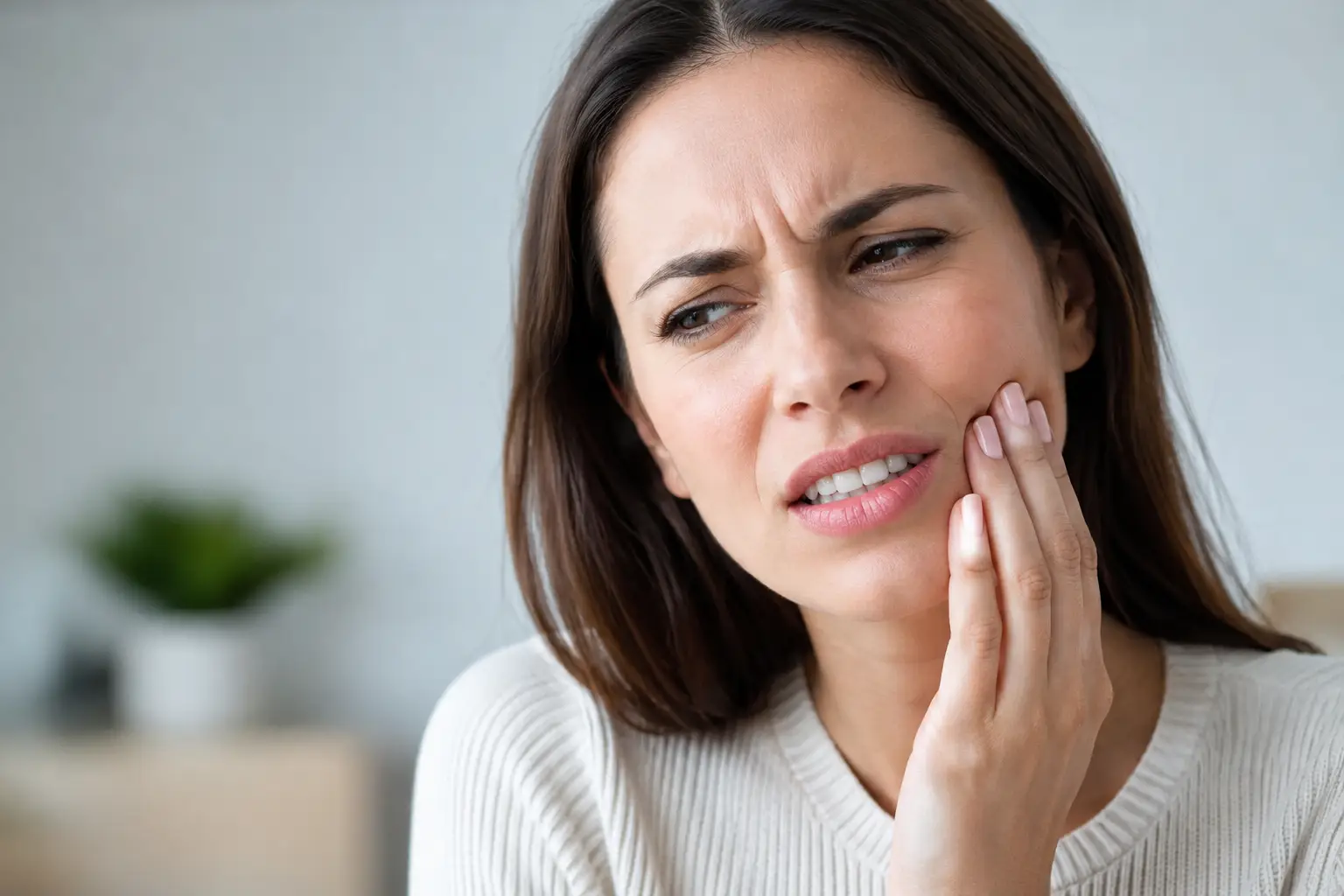
Book an assessment if you have jaw pain, facial soreness, headaches around the temples, ear-area discomfort, or pain when chewing. You should also seek care if your jaw catches or locks, you cannot open as widely as usual, or your bite suddenly feels different. These symptoms can indicate that the joint, disc, muscles, or teeth need closer attention.
A sudden inability to close your mouth, significant swelling after an injury, severe pain, fever, or trouble breathing or swallowing requires urgent medical attention. While dental care can help manage many TMJ concerns, some symptoms need prompt assessment to rule out infection, fracture, or another medical issue.
How a Dentist Checks Jaw Clicking
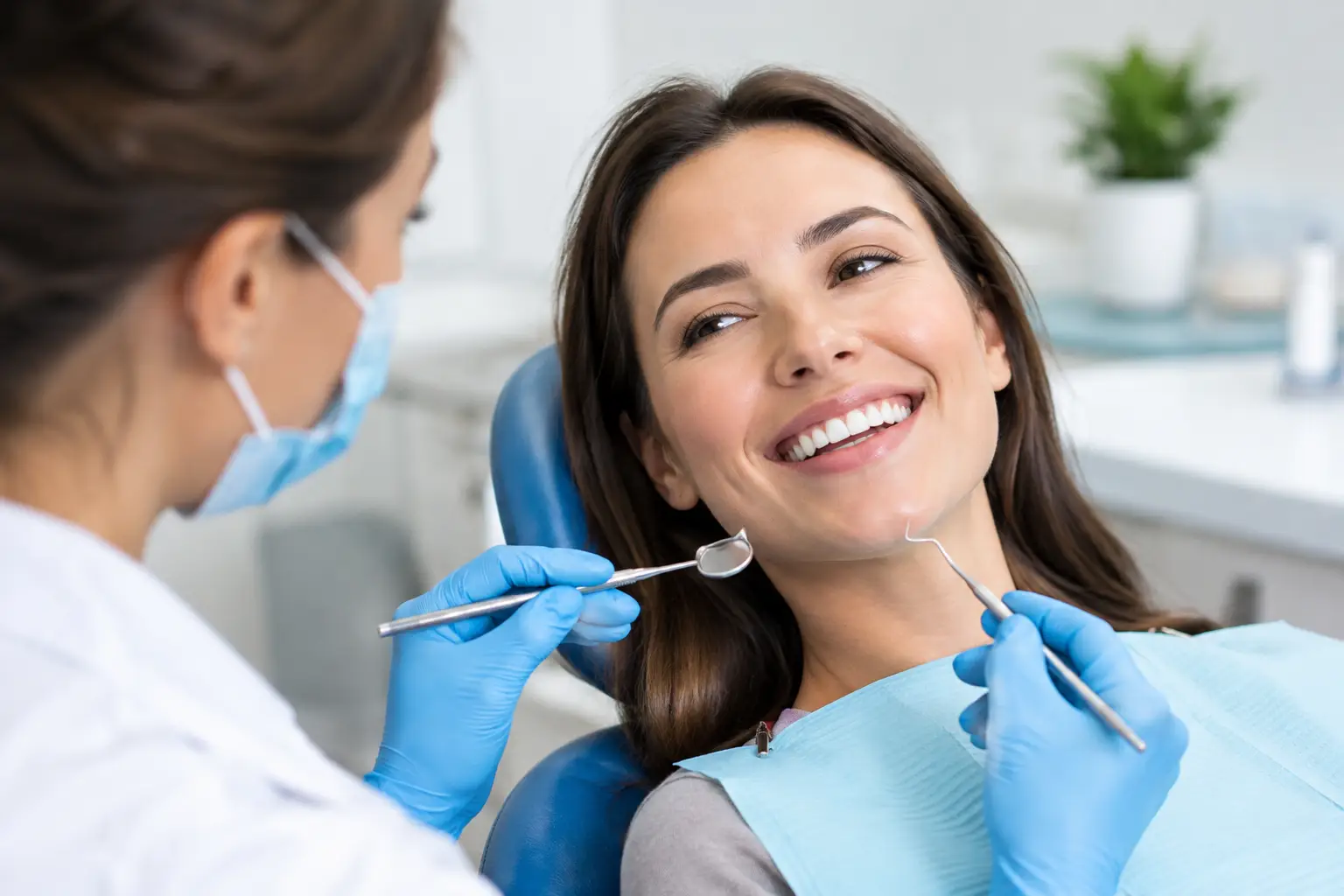
A TMJ assessment is not about assuming one cause before examining you. Your dentist will ask when the clicking began, whether it is painful, what makes it worse, and whether you clench, grind, wake with jaw fatigue, or have had an injury. These details help separate an occasional harmless noise from a pattern that is affecting your comfort and function.
The examination may include checking your jaw opening and side-to-side movement, feeling the joint and muscles for tenderness, listening for clicking or grinding sounds, and reviewing how your teeth come together. Your dentist may also look for signs of tooth wear, cracked teeth, gum concerns, or bite changes. When needed, dental X-rays or other imaging can help evaluate teeth, bone, and joint structures.
A careful assessment matters because jaw symptoms can overlap. Ear discomfort, headaches, tooth pain, sinus pressure, and muscle tension may feel similar. Clear diagnosis helps avoid treatments that are unnecessary or unlikely to address the real source of the problem.
Conservative Care Often Comes First
For many patients, the first approach to jaw clicking and TMJ discomfort is gentle, conservative care. The goal is to reduce strain, calm irritated muscles, and protect the teeth and joints while your dentist monitors how you respond.
You may be advised to choose softer foods for a short period, avoid very wide opening, and pause gum chewing, nail biting, or chewing ice. Warm compresses can relax tight muscles, while short periods of cold may help after a flare-up. Try to rest your jaw by keeping your teeth slightly apart when you are not eating. Your lips can be closed, but your teeth do not need to touch.
If clenching or grinding is contributing to the issue, a custom night guard may be recommended. Unlike a store-bought guard, a professionally made appliance is designed around your bite and is monitored for fit and comfort. It can help protect teeth from grinding forces and may reduce muscle strain for some patients. Results vary, so follow-up is valuable.
Your dentist may also suggest jaw exercises, physiotherapy, or stress-management strategies when muscle tension is a major factor. Medication may be appropriate in certain cases, but this depends on your health history and should be discussed with your dentist or physician. Irreversible treatment, such as changing tooth surfaces or undertaking extensive bite adjustments, is not usually the first step for uncomplicated TMJ symptoms.
Could Wisdom Teeth Cause Jaw Clicking?
Wisdom teeth do not usually cause clicking directly, but pain or swelling around a partially erupted wisdom tooth can change the way you chew. If you favour one side of your mouth because it is tender, the jaw muscles and joints can become overworked. An infection, crowding concern, or impacted wisdom tooth may also create discomfort that feels like it is coming from the joint.
During an examination, your dentist can determine whether wisdom teeth are involved or whether the clicking is more likely related to the TMJ itself. Treating the source of pain can help restore more comfortable chewing, but it is not a guarantee that every jaw click will disappear.
What You Can Do Before Your Appointment
Pay attention to the pattern rather than trying to diagnose it yourself. Note whether the clicking happens on one side or both, whether it is painful, and whether it occurs with chewing, yawning, or waking in the morning. Notice any related headaches, ear-area symptoms, locking, or bite changes. This information gives your dental team a clearer starting point.
Until you are seen, avoid repeatedly opening and closing your jaw to test the click. That can irritate already sensitive tissues. Choose manageable bites, support your jaw if you need to yawn widely, and avoid forcing your mouth open when it feels restricted.
At Bright Smile Dental Clinic, a jaw concern is approached with the same comfort-first attention as any other dental issue. You will receive a clear explanation of what the examination shows, which options may be appropriate, and which steps can reasonably wait. The aim is not just to quiet a sound, but to help you chew, speak, and smile comfortably.
A clicking jaw can be easy to ignore until pain or stiffness gets in the way. If the sound is persistent, changing, or affecting your daily comfort, arranging a dental assessment is a practical next step toward protecting your jaw and your teeth.