A missing tooth can change more than the look of your smile. It can make chewing certain foods frustrating, affect how clearly you speak, and leave nearby teeth without the support they need. For patients considering partial dentures Scarborough treatment can offer a practical, removable way to restore missing teeth while protecting day-to-day comfort and confidence.
Partial dentures are not a one-size-fits-all solution. The right design depends on how many teeth are missing, where the gaps are located, the health of your gums and remaining teeth, and what feels manageable for your budget and routine. A careful dental assessment helps ensure the appliance supports your oral health rather than simply filling a space.
What Are Partial Dentures?
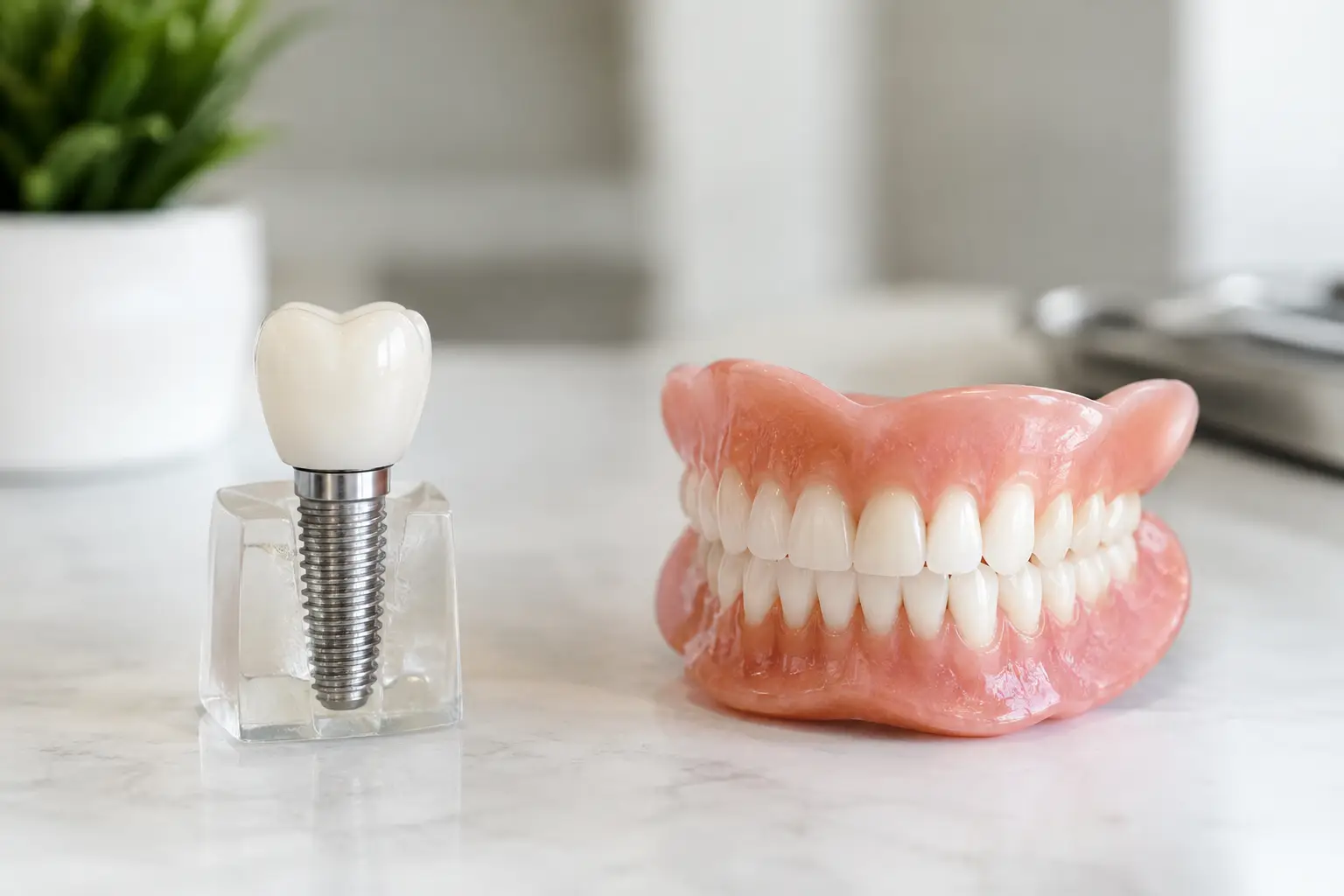
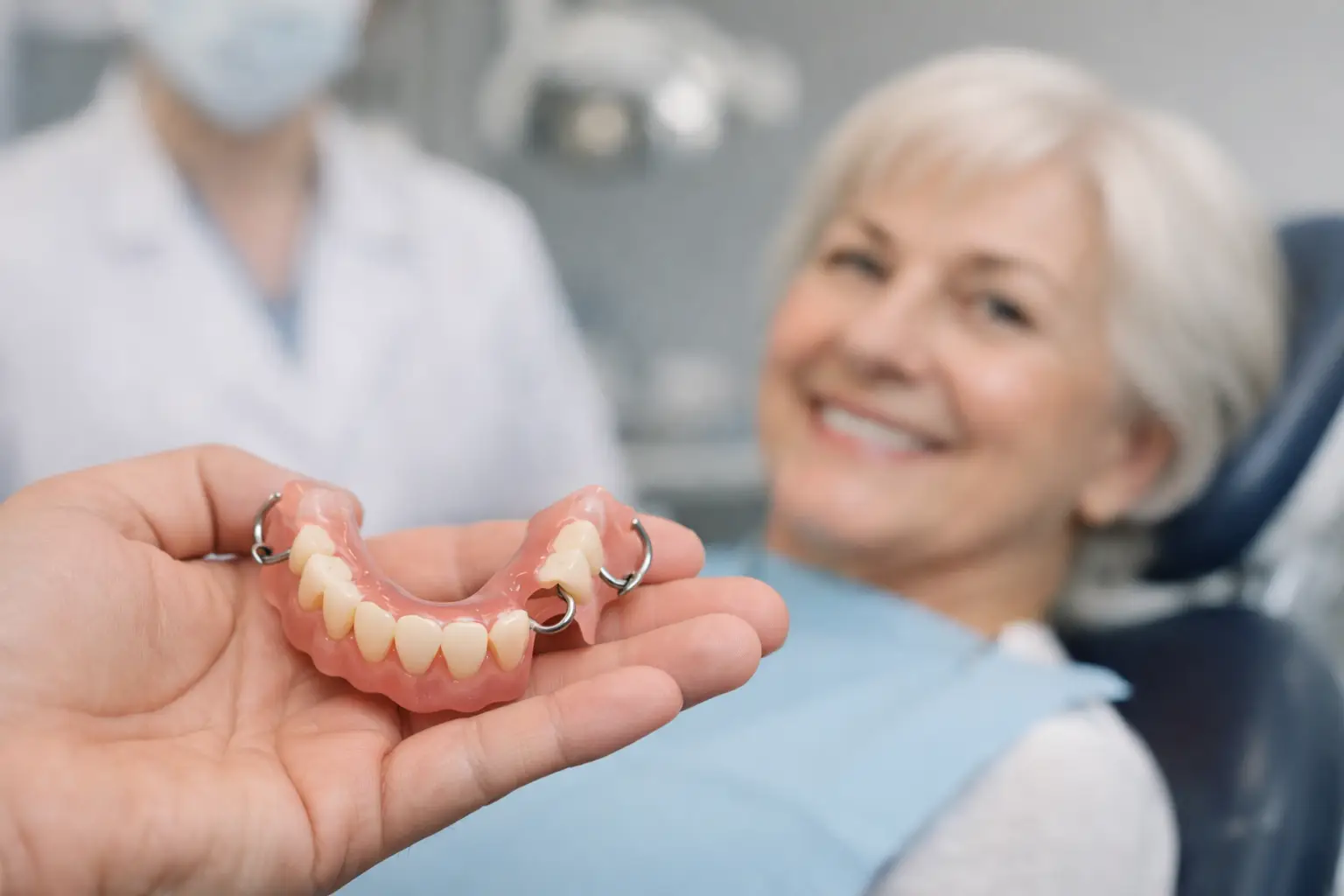
A partial denture replaces one or more missing teeth when some healthy natural teeth remain. It is a custom-made removable appliance with replacement teeth set into a gum-coloured base. Depending on the design, it may use discreet clasps or more precision-based attachments to stay in place around your existing teeth.
For many people, partial dentures are a suitable alternative to a fixed bridge or dental implants. They can restore visible gaps, help distribute chewing forces more evenly, and reduce the chance that adjacent teeth will drift into an empty space. They can also be adjusted or added to if your needs change, although this is not always possible in every case.
The goal is not simply to create teeth that look presentable. A well-planned partial denture should help you eat, speak, smile, and maintain your oral hygiene with greater ease.
Who May Benefit From Partial Dentures in Scarborough?
Partial dentures may be recommended when several teeth are missing in the upper or lower arch, especially when the remaining teeth are stable enough to support the appliance. They can be a helpful option for adults and seniors who want a removable solution, as well as patients who are not ready for implant treatment or who need to manage treatment in stages.
They may also be considered after extractions. In some situations, an immediate temporary partial denture can be prepared before teeth are removed, so you are not left with a visible gap during healing. Once your gums and bone have settled, a more definitive appliance may be planned for a closer fit.
That said, a partial denture is not automatically the best answer to every missing tooth. Active gum disease, untreated decay, loose teeth, or significant changes in the bite should be addressed first. Healthy supporting teeth and gums are essential to the long-term success of any replacement option.
The Main Types of Partial Dentures
A dentist may discuss acrylic, metal-framework, or flexible partial dentures. Each has advantages, and the right choice comes down to your clinical needs and personal priorities.
Acrylic partial dentures are often used as a temporary or transitional option. They can be useful after extractions or while a patient considers a longer-term plan. They are generally thicker than some other designs, which can affect how they feel in the mouth.
Cast metal partial dentures use a thin, durable metal framework with acrylic gum material and replacement teeth. Because the framework can be made more precisely, these appliances are often less bulky and may provide a more stable fit. However, they require careful planning around the teeth that will support them.
Flexible partial dentures use a pliable, gum-coloured material and may be appealing for their appearance and comfort. They are not appropriate for every bite or missing-tooth pattern, and repairs or adjustments can be more limited than with traditional materials. A conversation about function matters just as much as appearance.
What the Treatment Process Usually Looks Like
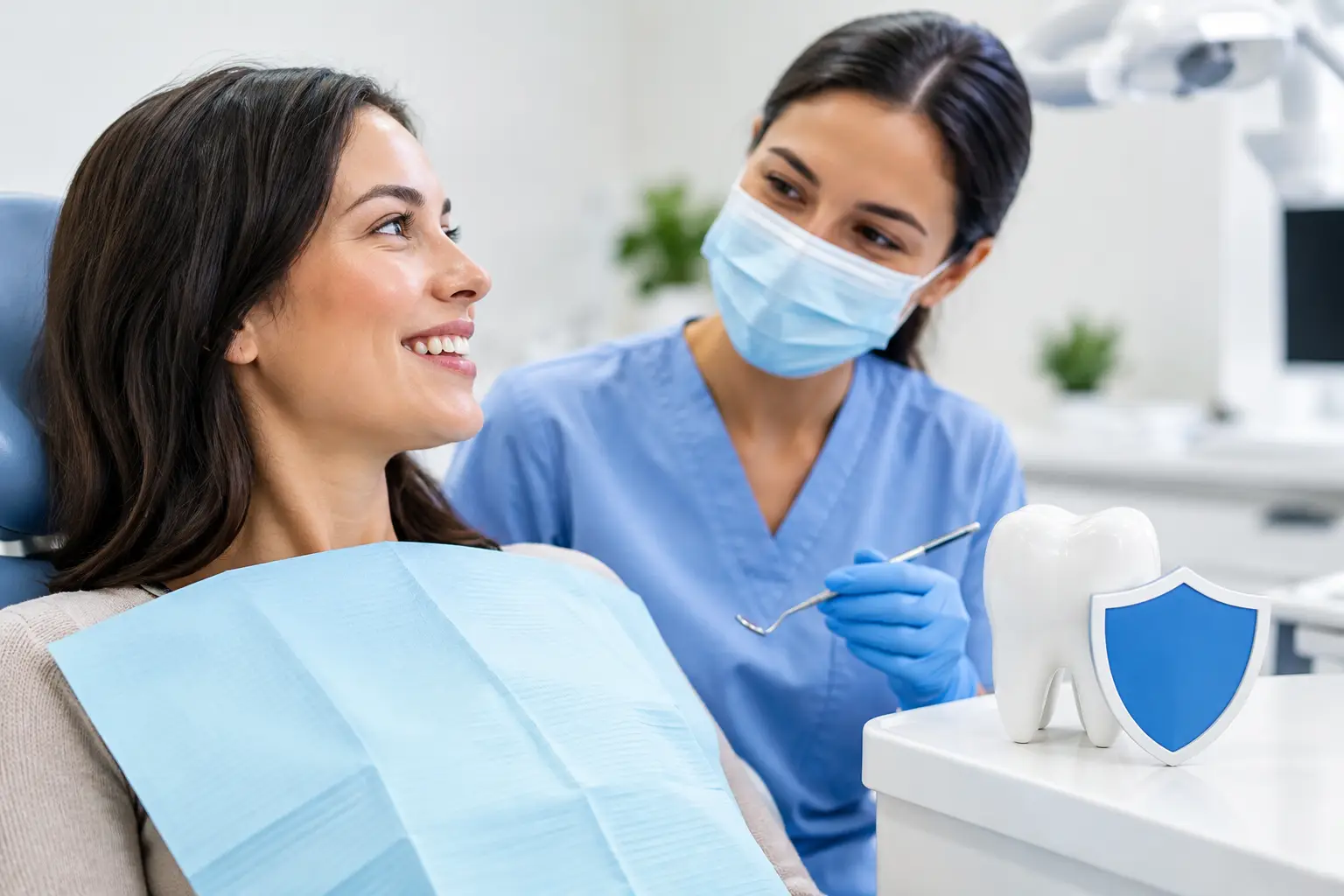
Your first visit should begin with a conversation, not a rushed recommendation. Your dentist will examine your teeth and gums, review your health history, discuss any concerns about chewing or appearance, and take X-rays or digital scans where needed. This assessment also helps identify whether a bridge, implant, or another treatment may better meet your goals.
If partial dentures are appropriate, impressions or digital scans are taken to create a custom appliance. Your dentist will select a tooth shade and shape that blends naturally with your smile, then assess the fit and bite during one or more try-in appointments. Small adjustments are a normal part of the process.
When your partial denture is delivered, you will receive guidance on putting it in and removing it, cleaning it, and wearing it comfortably. Follow-up visits are particularly valuable in the first few weeks. Even a well-made denture can create pressure points as your mouth adapts, and prompt adjustments can make a significant difference.
Getting Used to Your New Denture
Most people need an adjustment period. At first, a new partial denture can feel larger than expected, and speech may sound slightly different. Reading aloud for a few minutes each day can help your tongue adapt. Start with softer foods cut into small pieces, then gradually introduce firmer foods as your confidence improves.
Avoid biting hard foods with the replacement teeth at the front of the denture whenever possible. Instead, chew slowly and use both sides of your mouth to help keep the appliance balanced. If your denture clicks, shifts, rubs your gums, or causes persistent soreness, book an adjustment rather than trying to alter it yourself.
A partial denture should feel secure, but it may not feel identical to natural teeth. Setting realistic expectations helps patients adjust with less frustration. With a proper fit and good home care, many people find that their appliance becomes a comfortable part of their routine.
Caring for Partial Dentures and Your Remaining Teeth
A removable appliance needs daily attention. Take it out after meals when possible and rinse away food particles. Brush it gently with a soft denture brush and a cleaner designed for dentures. Regular toothpaste can be too abrasive for some materials and may leave tiny scratches where plaque can collect.
Your natural teeth still require thorough brushing twice a day and daily cleaning between teeth. Pay close attention to the areas around clasps and supporting teeth, where plaque can build up more easily. Remove your denture before sleeping unless your dentist has given you different instructions, and store it safely in water or a recommended soaking solution so it does not dry out or warp.
Regular dental examinations remain essential. Your gums and jawbone can change over time, which may cause a partial denture to loosen. Your dentist can assess the fit, check the health of your supporting teeth, and recommend an adjustment, reline, or replacement when appropriate.
Cost, Insurance, and Treatment Planning
The cost of partial dentures varies based on the material, number of teeth being replaced, complexity of the design, and any treatment needed beforehand. Extractions, gum therapy, fillings, or crowns on supporting teeth may be necessary to create a healthy foundation.
During your consultation, ask for a clear treatment plan that explains the recommended appliance, anticipated appointments, and related costs. Insurance coverage differs widely between plans. Direct insurance billing, where available, can make the process easier, and eligible patients may also wish to ask how Canadian Dental Care Plan coverage applies to their care.
Choosing the least expensive option is understandable, but fit, stability, and the condition of your remaining teeth should guide the decision. A denture that is uncomfortable or poorly supported can lead to repeated adjustments and may place extra strain on natural teeth.
When to Call Your Dentist
Contact your dental team if your denture cracks, no longer fits, causes ulcers that do not improve, or makes it difficult to chew. Do not use household glue or attempt a repair at home. These products can damage the appliance and make a professional repair more difficult.
You should also book a visit if you notice bleeding gums, new tooth sensitivity, bad breath that persists despite cleaning, or a change in how your teeth meet. These symptoms may point to a concern that needs attention beyond the denture itself.
At Bright Smile Dental Clinic, partial denture planning is approached with the same care as any restorative treatment: understanding what you need to do comfortably each day, explaining your options clearly, and creating a plan that supports the health of your whole smile. A well-fitting partial denture can be a meaningful step toward enjoying meals, conversations, and photographs without holding back.