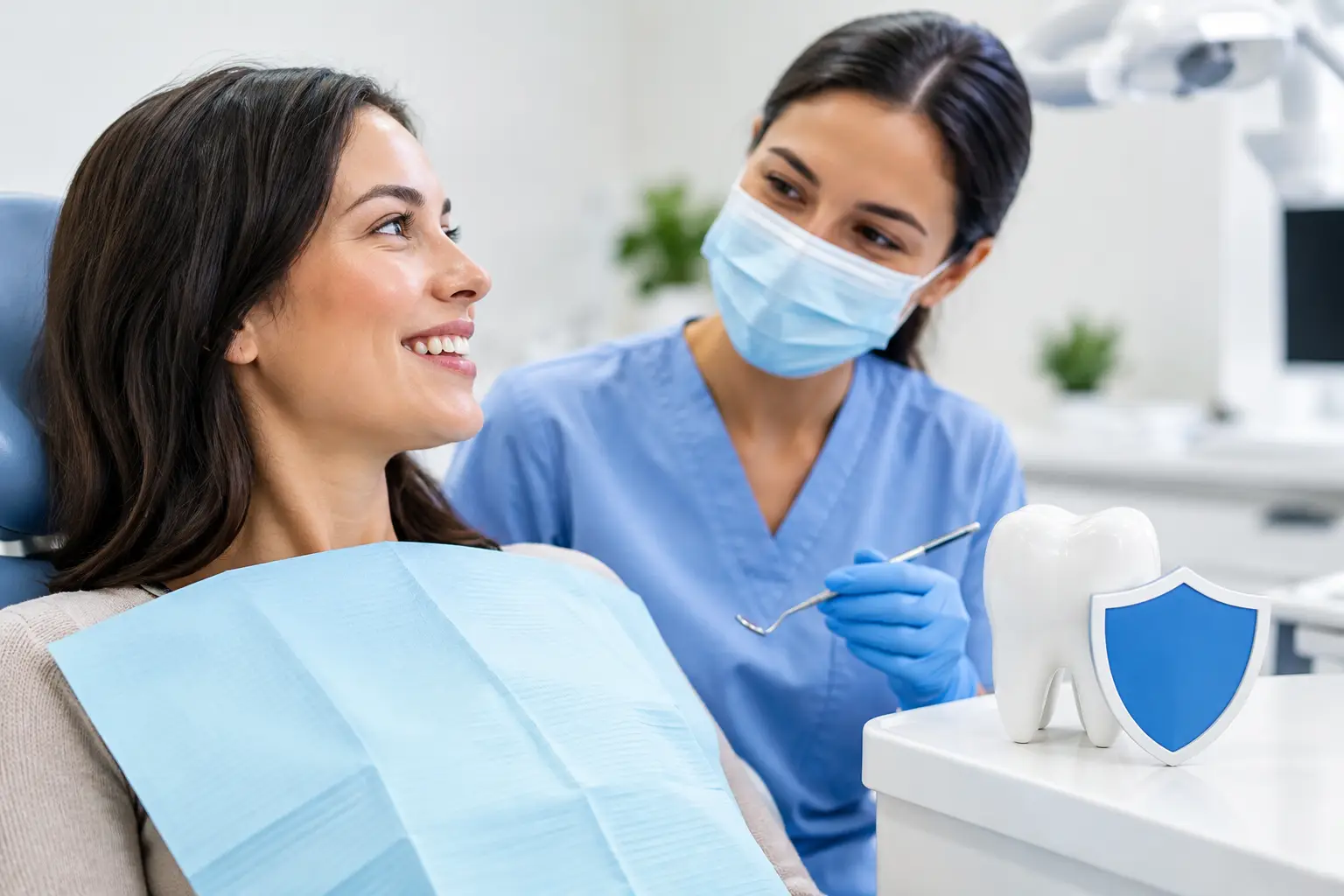
A cleaning appointment can feel like a small task to postpone when work, school, family, and errands are competing for your time. But professional teeth cleaning Scarborough patients receive is one of the most practical ways to protect their gums, preserve their natural teeth, and catch small concerns before they become more involved treatment.
At Bright Smile Dental Clinic, hygiene visits are designed to be calm, thorough, and personal. Whether you are returning for routine care, bringing in a child for their first cleaning, or booking after several years away from the dentist, the goal is the same: help you leave with a cleaner, healthier mouth and a clear understanding of what comes next.
What a professional teeth cleaning involves
Even excellent brushing and flossing cannot remove every deposit that forms on teeth. Plaque is a soft, sticky film of bacteria that builds up throughout the day. When it is not fully removed, it can harden into tartar, also called calculus. Tartar often collects near the gumline and between teeth, where a toothbrush cannot remove it safely.
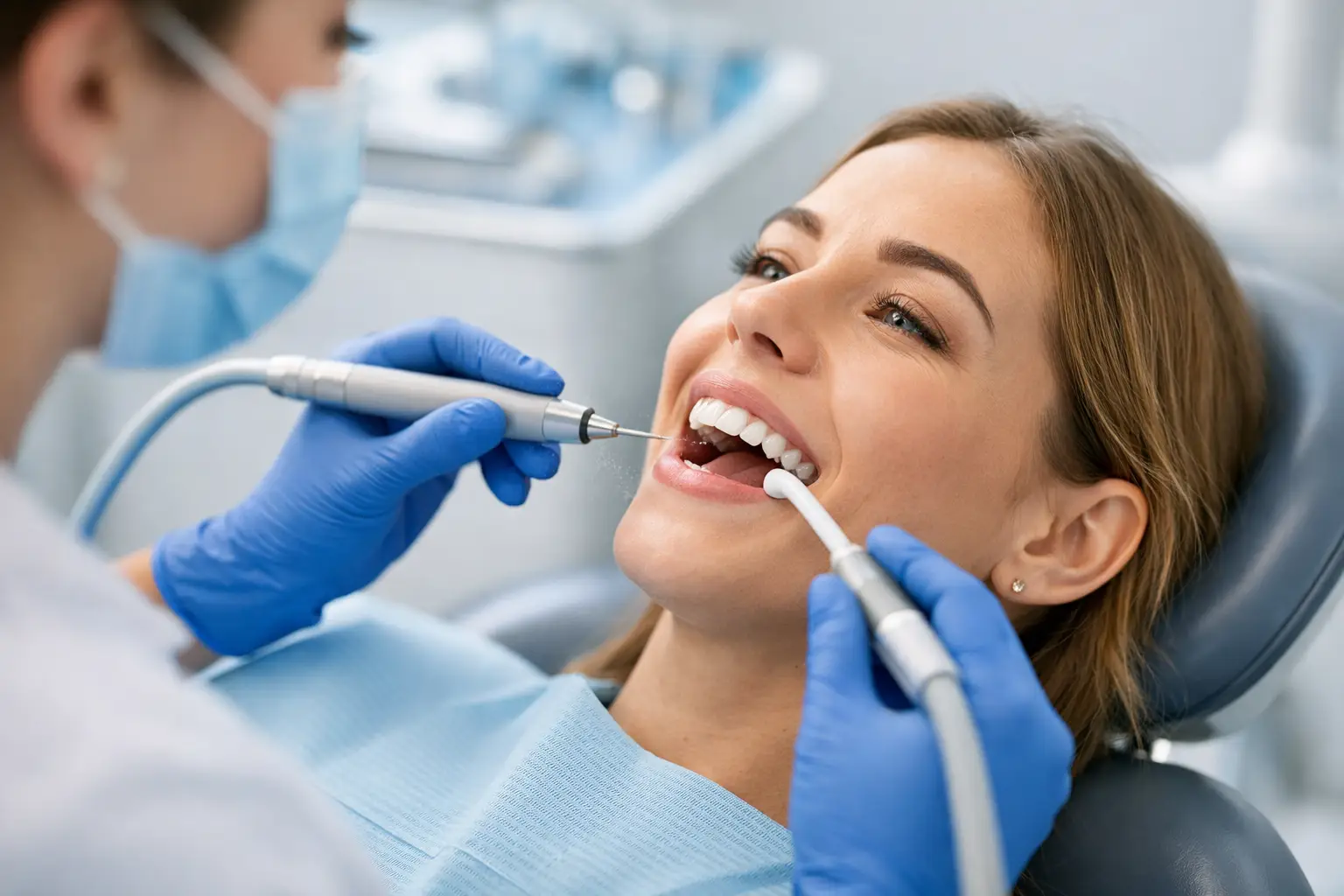
During a professional cleaning, a dental hygienist uses specialized instruments to gently remove plaque and tartar from the tooth surfaces and along the gumline. They may also polish your teeth to remove some surface staining and leave them feeling smooth. The appointment is more than a cosmetic refresh. It gives your dental team an opportunity to assess gum health, review areas that are difficult for you to keep clean, and support the home-care routine that fits your needs.
Depending on your visit, your appointment may also include dental X-rays, an examination by the dentist, and a conversation about sensitivity, bleeding gums, jaw discomfort, diet, or changes you have noticed. These details matter because oral health concerns do not always cause pain at first.
Cleaning is different from whitening
A cleaning can remove external stains from coffee, tea, red wine, tobacco, and certain foods. It does not change the natural internal shade of your teeth in the way professional whitening can. If a brighter smile is one of your goals, your dental team can explain whether whitening is appropriate after your cleaning and what result is realistic for your teeth.
Why gum health deserves attention
Bleeding while brushing or flossing is easy to dismiss, especially if it has been happening for a long time. Healthy gums generally should not bleed regularly. Bleeding, swelling, tenderness, persistent bad breath, or gums that appear to be pulling away from the teeth can be signs of inflammation or gum disease.
In its early stage, gum disease may be reversible with consistent home care and professional cleanings. When it progresses, bacteria and tartar can collect below the gumline, affecting the tissues and bone that support the teeth. At that point, a routine cleaning may not be enough. Your dentist may recommend periodontal treatment, sometimes called scaling and root planing, to clean deeper below the gums and manage the condition.
This is not a reason to feel embarrassed about booking. Gum disease is common, and the right treatment depends on your current condition, not on how long it has been since your last visit. Clear, respectful conversations help you understand your options and make decisions at a pace that feels manageable.
How often should you book a teeth cleaning?
There is no single schedule that suits every patient. Many people benefit from a cleaning and examination every six months, but your recommended recall interval may be different. Someone with healthy gums and a strong daily routine may need less frequent visits, while someone with gum disease, diabetes, dry mouth, frequent tartar buildup, orthodontic appliances, or a history of cavities may benefit from more frequent hygiene care.
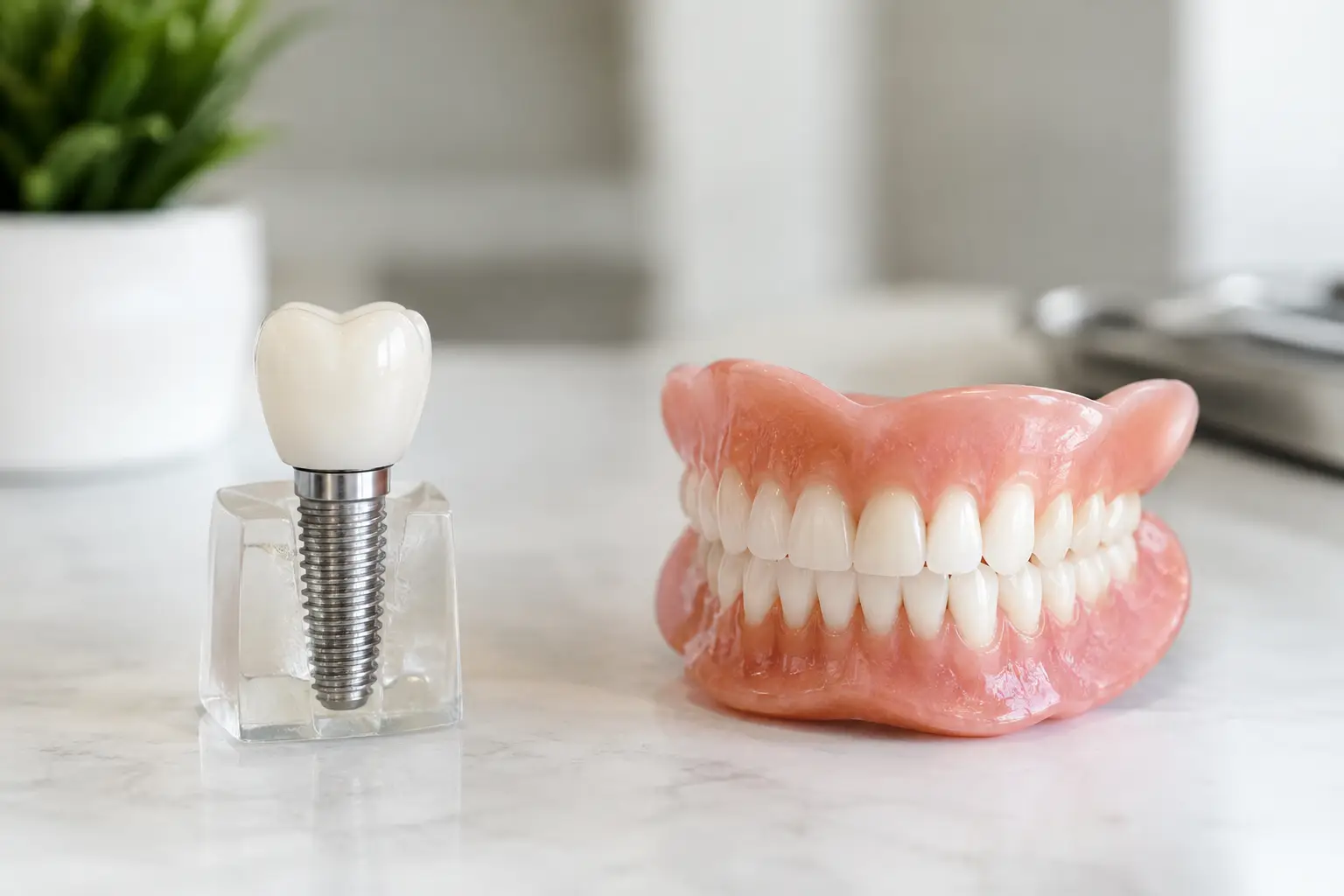
Pregnancy can also affect gum health, and seniors may face additional concerns related to medications, reduced dexterity, implants, dentures, or exposed root surfaces. Children and teens need monitoring too, particularly as adult teeth erupt and brushing habits develop.
Your dental team should explain why a particular interval is recommended. A personalized schedule is not about adding unnecessary appointments. It is about preventing the buildup and inflammation that can lead to discomfort, cavities, gum treatment, or more extensive restorative care later.
What to expect if you feel nervous
Dental anxiety is common, and a cleaning can be uncomfortable if your gums are inflamed, your teeth are sensitive, or you have had a difficult experience in the past. You do not need to push through that feeling silently.
Let the team know before your appointment what worries you. It may be the sound of instruments, a sensitive area, a strong gag reflex, fear of judgement, or concern about cost. A comfort-first approach can include taking breaks, explaining each step before it happens, adjusting your position, using gentler techniques, and discussing options for managing sensitivity. For patients who require more extensive care or find dental visits especially difficult, sedation options may also be discussed when appropriate.
If it has been years since your last cleaning, the first visit may be longer than a regular maintenance appointment. Your dentist and hygienist may need time to examine your teeth and gums, take diagnostic images when needed, and determine whether you require a routine cleaning or more focused periodontal care. Starting with an assessment allows treatment to be planned safely rather than rushed.
Get more from your cleaning between visits
A professional cleaning works best alongside daily care at home. Brushing twice daily with fluoride toothpaste and cleaning between your teeth once a day are the foundation. The method matters as much as the effort: use a soft-bristled toothbrush, angle the bristles toward the gumline, and clean gently rather than scrubbing hard.
If floss is difficult to use, interdental brushes, floss holders, or a water flosser may be useful alternatives for some people. The best choice depends on the spaces between your teeth, any bridges or implants you have, and your comfort using the tool consistently. Your hygienist can show you techniques tailored to your mouth instead of offering one-size-fits-all advice.
It also helps to pay attention to changes between appointments. Book sooner if you notice a toothache, a chipped tooth, new sensitivity, loose teeth, swelling, a sore that does not heal, ongoing bad breath, or bleeding that persists despite gentle daily cleaning. Early assessment can often mean simpler treatment.
Planning your visit around coverage and cost
Cost should never be a barrier to asking questions about your oral health. Before your appointment, provide your insurance information if you have coverage and ask what may be included under your plan. Dental plans vary in their frequency limits, annual maximums, and coverage for examinations, X-rays, periodontal treatment, or polishing.
Direct insurance billing can make visits easier to manage for many households, although patients remain responsible for any amount not covered by their insurer. Eligible patients using the Canadian Dental Care Plan can also ask the clinic team for help understanding appointment planning and coverage requirements. Knowing the financial details ahead of time gives you space to focus on your care rather than surprises at checkout.
Professional teeth cleaning in Scarborough is preventive care
A clean mouth often feels fresher immediately, but the most valuable benefit is what regular care can prevent. Removing hardened buildup, monitoring gum health, and identifying concerns early can protect your comfort, confidence, and ability to eat and speak well over time.
If you are due for a visit, have noticed bleeding gums, or simply want a more consistent plan for your family’s oral health, booking a cleaning is a positive place to begin. Bring your questions, share your concerns, and let your dental team help make your next step feel straightforward.