A racing heartbeat in the waiting room, trouble sleeping before an appointment, or putting off care until a tooth hurts are all common signs of dental anxiety. A sedation dentist for anxiety can help make treatment feel more manageable, whether you need a cleaning, a filling, wisdom tooth removal, or a more involved restorative procedure. The goal is not to rush you through an appointment. It is to help you feel safe, informed, and supported from the moment you arrive.
Why dental anxiety deserves a thoughtful response
Dental anxiety can come from many places. Some patients remember an uncomfortable visit from years ago. Others worry about needles, sounds, gagging, feeling out of control, or receiving unexpected news about their oral health. For some people, simply being in a dental chair is enough to trigger a physical stress response.
Avoiding appointments may feel like the easier choice in the short term, but small concerns can become more complex over time. A minor cavity can progress into pain or infection, while gum inflammation may worsen without regular care. The right approach is not to judge the delay. It is to understand what has made care difficult and create a plan that helps you move forward at a pace that feels realistic.
At a comfort-focused practice, anxiety is treated as relevant health information. Your dentist and dental team can adjust communication, appointment length, numbing techniques, and sedation recommendations around your needs.
What a sedation dentist for anxiety can offer
Sedation dentistry uses medication to help reduce fear, tension, and discomfort during dental treatment. It is not one single service. The most appropriate option depends on your medical history, the procedure, your level of anxiety, and how you have responded to dental care in the past.
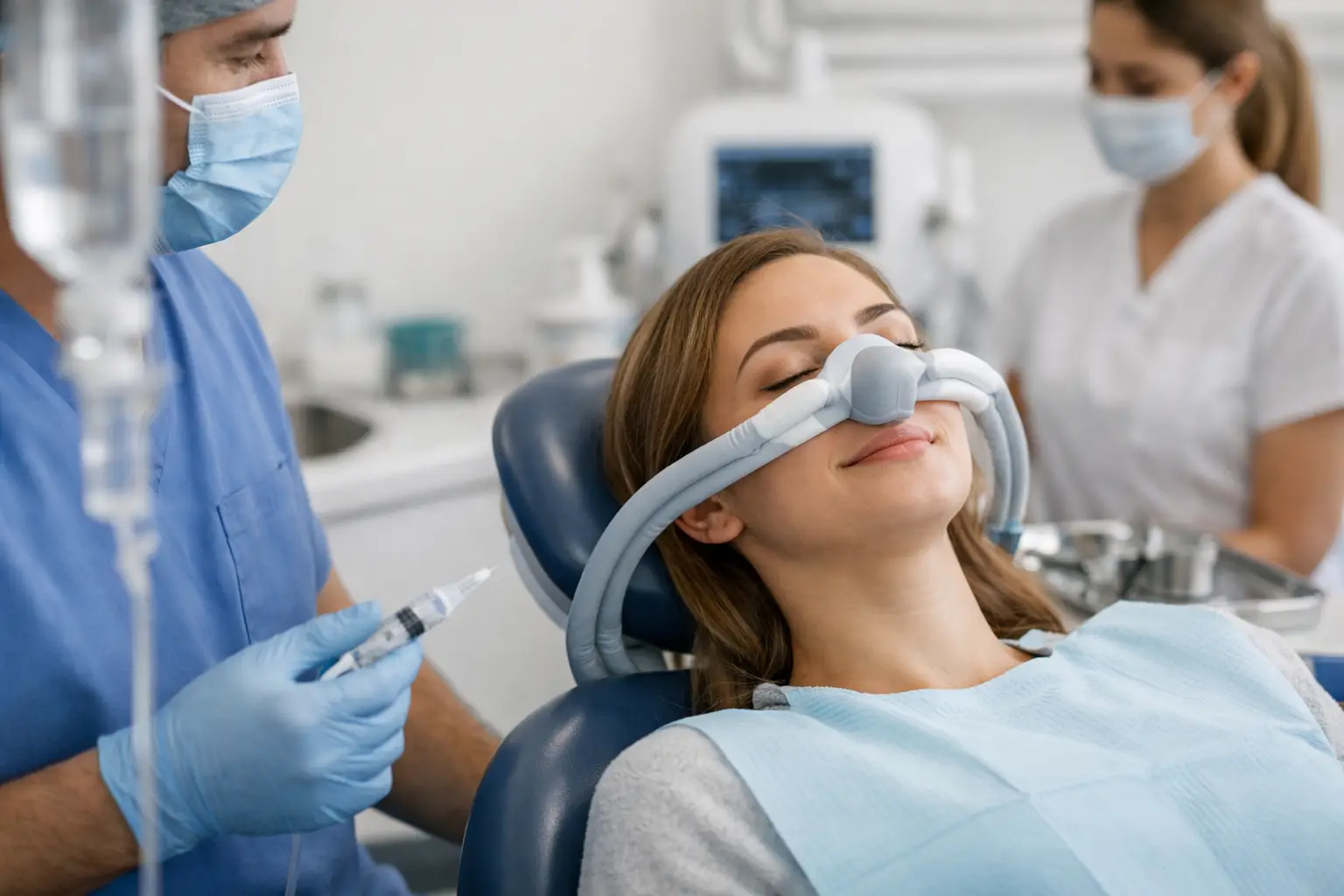
For some patients, nitrous oxide, often called laughing gas, provides enough support. It is inhaled through a small mask and can create a relaxed, light feeling while you remain awake and able to respond. Its effects usually wear off quickly after the mask is removed, although your dentist will still provide individual post-appointment instructions.
Oral sedation may be considered when a deeper level of relaxation is appropriate. This involves taking prescribed medication before the appointment, under the dentist’s direction. You may remain awake but feel drowsy and less focused on the details of treatment. Because its effects can last longer, you will generally need a responsible adult to bring you to the clinic and take you home.
For certain surgical or complex procedures, deeper forms of sedation may be available when clinically appropriate. A dentist will explain what is offered, how it is administered, who will monitor you, and what recovery involves. Sedation is always planned with safety first, not simply chosen because a procedure sounds intimidating.
Sedation is only one part of a calm appointment
Many anxious patients benefit from sedation, but it is not the only way to make dentistry more comfortable. Gentle freezing techniques, breaks during treatment, headphones, a clear signal to pause, and knowing what will happen before treatment begins can make a meaningful difference.
A good dental team will not assume every patient wants the same approach. One person may want a detailed explanation before each step. Another may prefer a short overview and minimal clinical detail once treatment starts. Sharing this preference allows the team to communicate in a way that lowers stress rather than adding to it.
Comfort also includes practical matters. If you have had a difficult experience with freezing, a sensitive gag reflex, jaw discomfort, or trouble sitting still for long periods, say so early. These details can affect the plan, including how appointments are scheduled and whether treatment is completed in stages.
Who may benefit from sedation dentistry?
Sedation may be worth discussing if fear has kept you from booking routine care, if you have a strong gag reflex, or if previous procedures were hard to tolerate. It can also be useful for patients having a lengthy appointment, several treatments completed together, or oral surgery such as wisdom tooth removal.
However, sedation is not automatically right for everyone. Your dentist will review your health history, current medications, allergies, sleep or breathing concerns, and any past reactions to sedation or anaesthesia. Pregnancy, certain medical conditions, and medication interactions can affect which options are suitable. Being open about your health is an essential part of protecting your safety.
It is also reasonable to ask whether sedation is necessary for the treatment you need. A nervous patient having a straightforward examination may feel fully comfortable with a slower appointment and extra communication. Someone requiring multiple procedures may prefer sedation to reduce the emotional strain of several visits. The best answer depends on you, not on a one-size-fits-all recommendation.
What to ask before choosing sedation
The first consultation is an opportunity to make decisions without pressure. Ask which sedation options are appropriate for your treatment and why. You can also ask what you may feel during the appointment, how long recovery takes, whether you need someone to accompany you, and what you should eat or avoid beforehand.
It is helpful to discuss costs and insurance coverage before booking treatment. Coverage for sedation varies by plan and by the type of care being provided. Clear estimates and direct insurance billing, where available, can help you understand your expected out-of-pocket costs before proceeding.
You should also ask what happens if you feel anxious on the day of the appointment. Knowing that you can pause, ask questions, or revisit the plan gives you more control. Sedation should support your confidence, not make you feel that your concerns have been handed over to someone else.
Preparing for a sedation appointment
Your dental team will give instructions tailored to the sedation method and procedure. Follow them carefully, especially directions about food, drinks, medications, and transportation. Do not drive yourself home after oral or deeper sedation, and plan to avoid work, childcare responsibilities, major decisions, and alcohol until you have fully recovered as instructed.
Wear comfortable clothing and arrive with time to settle in. If you are worried that you will forget questions, write them down or bring a trusted person to the consultation. It can also help to tell the team exactly what causes the most anxiety. Saying, “I am worried about feeling numb,” or “I need to know before anything starts,” gives your care providers something specific to act on.
Building confidence beyond one visit
For many people, the first comfortable appointment changes what feels possible. It may be a hygiene visit completed without panic, a filling that was easier than expected, or finally addressing pain that has been ignored for months. That experience can make future care less daunting.
Sedation does not have to become part of every visit. As trust grows, some patients choose lighter comfort measures for routine appointments and reserve sedation for longer or more complex treatment. Others continue to prefer it because it makes care consistently easier. Both choices can be appropriate when they are based on an informed clinical conversation.
If dental anxiety has been standing between you and the care you need, you deserve a team that listens before treatment begins. At Bright Smile Dental Clinic, a calm conversation can be the first step toward protecting your smile without feeling overwhelmed.