A sip of cold water should be refreshing, not a reason to brace yourself. When tooth sensitivity causes a quick, sharp jolt while eating, drinking, brushing, or breathing in cold air, it can turn ordinary routines into something to avoid. The good news is that sensitivity is common, and it is often manageable once the cause is identified.
The right response is not always the same for everyone. A sensitive tooth may be reacting to worn enamel, exposed roots, a small cavity, a cracked tooth, gum recession, or a recent dental treatment. A careful examination helps separate a temporary irritation from a problem that needs treatment.
What tooth sensitivity can feel like
Tooth sensitivity is usually a brief, sudden pain triggered by hot, cold, sweet, acidic, or sometimes even touch. It may affect one tooth, several teeth, or an entire area of the mouth. Some people notice it only with ice cream or cold drinks, while others feel it when brushing near the gumline.
The sensation can range from mild discomfort to a sharper pain that makes it hard to tell which tooth is responsible. If pain lingers after the trigger is gone, occurs without an obvious trigger, wakes you at night, or comes with swelling, it deserves prompt dental attention. Those signs can point to a deeper concern than routine sensitivity.
Why teeth become sensitive
Healthy enamel protects the sensitive inner part of the tooth. Below the gumline, the root is protected by a softer layer called cementum. When enamel wears down or gums recede, tiny channels in the tooth can become exposed. Temperature changes and certain foods can then travel through those channels and irritate the nerve inside the tooth.
Several everyday issues can contribute to this process.
Brushing too hard or using a firm toothbrush
Brushing is essential, but more pressure does not mean a cleaner mouth. Aggressive side-to-side brushing can wear enamel near the gumline and irritate gum tissue over time. A soft-bristled toothbrush and gentle, small circular motions are usually a better approach.
Acid exposure and enamel wear
Frequent acidic drinks, citrus foods, sports drinks, sparkling beverages, and repeated reflux can gradually soften enamel. This does not mean you must eliminate every acidic food. Frequency matters: sipping an acidic drink for hours exposes teeth more often than enjoying it with a meal. Rinsing with water afterward can help, and waiting about 30 minutes before brushing gives softened enamel time to reharden.
Gum recession and gum disease
Gums can recede because of brushing habits, natural changes over time, teeth grinding, orthodontic movement, or periodontal disease. As roots become exposed, sensitivity can become more noticeable. Bleeding gums, persistent bad breath, tenderness, or loose teeth should not be dismissed as simple sensitivity. Gum health needs its own assessment and treatment plan.
Decay, cracks, and worn restorations
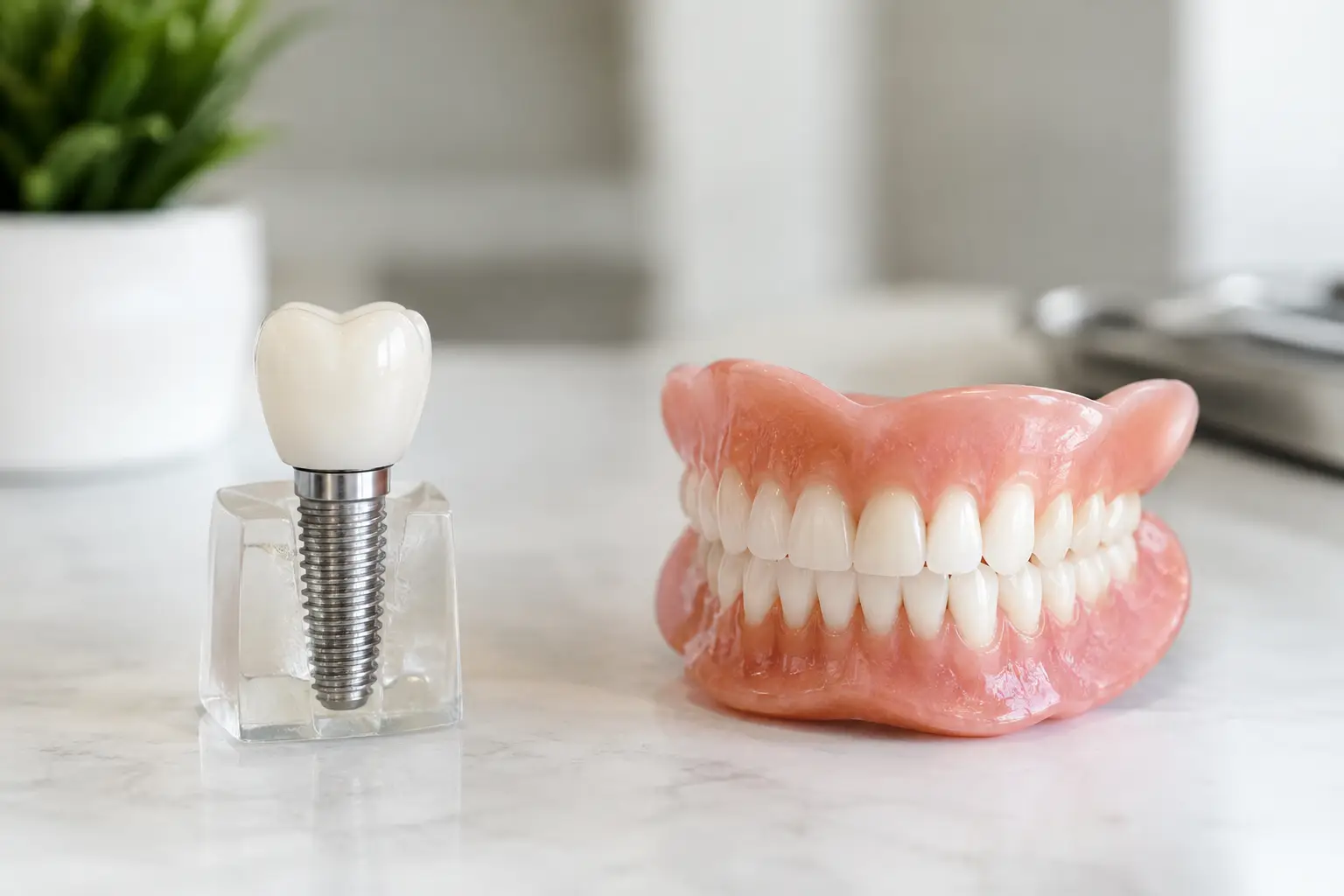
A cavity, leaking filling, fractured tooth, or worn crown can allow irritants closer to the tooth nerve. Sensitivity that is concentrated in one spot, hurts when biting, or appears suddenly should be checked rather than managed only with toothpaste. Treating the source early may be simpler and more comfortable than waiting for pain to worsen.
Recent dental treatment
It is possible to have temporary sensitivity after a filling, crown, whitening treatment, or hygiene cleaning, especially if gums were inflamed beforehand. This usually improves as the tooth and surrounding tissues settle. If it is getting worse, lasts longer than expected, or affects your bite, contact your dental office for guidance.
Gentle steps that may reduce discomfort
If sensitivity is mild and there are no warning signs, a few consistent changes can make a meaningful difference. Use a sensitivity toothpaste twice daily and brush gently with a soft brush. These toothpastes can help block the pathways that carry sensation through exposed dentin, but they need regular use and may take several weeks to have their full effect.
Try not to switch products every few days. Choose one sensitivity toothpaste, use it as directed, and give it time. Your dental team may also suggest applying a small amount directly to the sensitive area before bed, depending on your specific needs.
Pay attention to triggers without making your diet overly restrictive. Drinking very cold beverages through a straw, choosing room-temperature water for a short period, and limiting frequent acidic sipping can make meals more comfortable. If you clench or grind your teeth, particularly during sleep, a custom night guard may help protect teeth from further wear. An over-the-counter guard is not always a good substitute, as a poor fit can be uncomfortable or affect how teeth meet.
Whitening deserves a measured approach. Whitening can cause short-term sensitivity for some patients, particularly when stronger products or frequent treatments are used. Reducing frequency, using a sensitivity toothpaste before treatment, or choosing a professionally supervised plan may help. If discomfort is significant, pause whitening and ask your dentist what is appropriate for your teeth.
How a dentist treats tooth sensitivity
A dental visit is useful because sensitivity is a symptom, not a diagnosis. Your dentist will ask what triggers the pain, how long it lasts, whether it is localized, and whether you have noticed changes in biting, gums, or prior dental work. An examination and, when needed, X-rays can help identify concerns that are not visible at home.
For mild exposed-root sensitivity, treatment may include a professional fluoride varnish or desensitizing agent. These options can strengthen vulnerable areas and reduce sensation. If recession is significant, a gum graft may be considered to protect exposed roots. When decay, a crack, or a failing restoration is involved, a filling, crown, or other restorative treatment may be the better solution.
Sometimes sensitivity comes from clenching, grinding, or bite pressure rather than a visible hole in the tooth. In those cases, treatment can involve a custom night guard, bite assessment, or repairing worn or cracked teeth. The goal is not simply to cover up pain. It is to protect the tooth and reduce the chance of further damage.
When not to wait
Book an appointment soon if sensitivity persists despite a few weeks of gentle home care, becomes more intense, or is limited to one tooth. Seek urgent dental advice if you have facial swelling, fever, a bad taste or drainage near a tooth, severe pain, trauma, or difficulty swallowing or breathing.
For families, children should also be assessed when they avoid chewing on one side, complain repeatedly about cold foods, or have sensitivity after a fall. Children may not always describe dental pain clearly, and early care can prevent a small concern from becoming an emergency.
A comfort-first approach to sensitive teeth
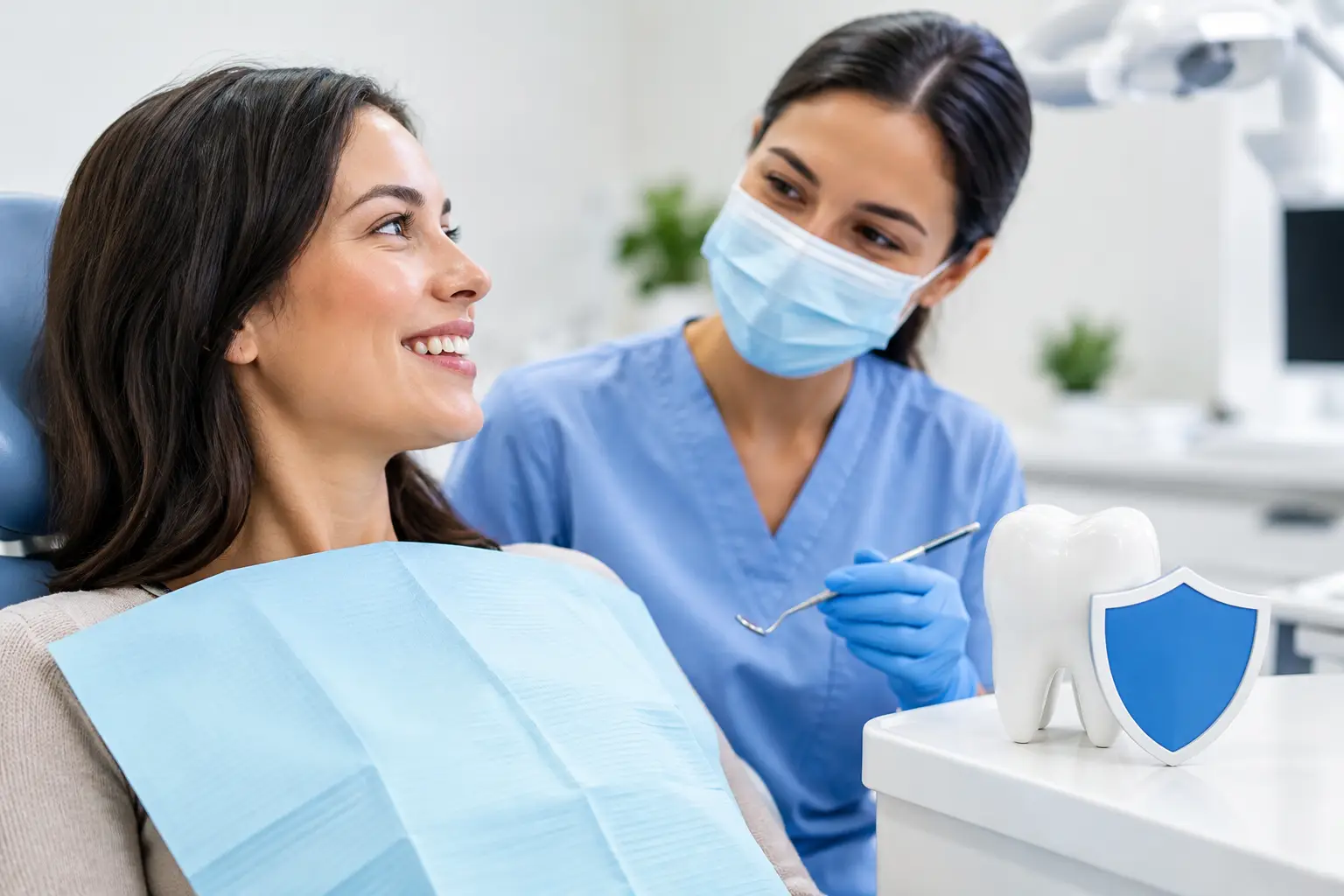
Dental anxiety can make it tempting to wait until discomfort becomes unavoidable. But a sensitivity visit is often straightforward and can begin with a conversation about what you are feeling and what makes you nervous. At Bright Smile Dental Clinic, care is planned around clear explanations, gentle techniques, and treatment options that reflect your oral health needs, comfort, and budget.
You do not need to accept sharp pain as part of drinking coffee, enjoying dessert, or brushing your teeth. A timely assessment can bring clarity, protect your smile, and help everyday moments feel comfortable again.