A lingering toothache can make ordinary moments feel impossible – drinking coffee, chewing lunch, or getting through a meeting without distraction. A root canal is a treatment designed to remove infection or inflammation from inside a tooth, relieve pain, and help you keep your natural tooth rather than having it removed.
Despite its reputation, root canal treatment is usually no more uncomfortable than having a filling when effective local freezing is used. The concern patients often feel is understandable, especially if they have heard difficult stories from years ago. Modern techniques, careful planning, and a comfort-first approach have changed the experience considerably.
Why a tooth may need a root canal
At the centre of each tooth is soft tissue called the pulp. It contains nerves and blood vessels that supported the tooth as it developed. If deep decay, a crack, repeated dental work, or an injury allows bacteria to reach this tissue, the pulp can become inflamed or infected.
Pain is a common warning sign, but it is not the only one. You may notice sensitivity to hot or cold that lingers after the temperature is gone, pain when biting, swelling near the tooth, a pimple-like bump on the gums, or a tooth that has become darker than those around it. In some cases, an infected tooth causes little or no discomfort. A dental examination and X-rays help identify what is happening below the surface.
Not every sensitive tooth needs root canal treatment. A small cavity, gum recession, a cracked filling, or tooth grinding can also cause discomfort. That is why a proper assessment matters. The goal is to recommend the most conservative treatment that can protect your oral health and your tooth.
What happens during root canal treatment
Before treatment begins, your dentist will review the tooth, X-rays, symptoms, and available options with you. You will have time to ask questions about the procedure, expected appointments, and restoration needed afterward. If dental anxiety has made you postpone care, let the team know. Comfort measures and sedation options may be appropriate depending on your needs and medical history.
The tooth and surrounding area are numbed with local anesthetic. A small protective sheet, often called a dental dam, is placed around the tooth to keep the area clean and dry. Your dentist then creates a small opening to access the damaged pulp, carefully removes the infected or inflamed tissue, and cleans the narrow canals inside the roots.
Once the canals are shaped and disinfected, they are sealed to reduce the chance of bacteria returning. Some teeth can be completed in one visit; others need more than one appointment. The number of roots, degree of infection, tooth location, and complexity of the canals all affect the plan.
You may leave with a temporary filling or a permanent restoration, depending on your treatment. It is normal for the tooth and surrounding gums to feel tender for a few days, particularly when biting. This is usually manageable with the pain relief recommended by your dentist. Contact the clinic if pain is severe, swelling increases, or symptoms do not improve.
Why a crown is often recommended after a root canal
A tooth that has needed root canal treatment has often already lost a significant amount of healthy structure to decay, a fracture, or an old restoration. Back teeth also absorb strong chewing forces every day. After treatment, they can be more likely to crack if they are not properly protected.
For many molars and premolars, a custom crown is the best way to restore strength, shape, and function. The crown fits over the prepared tooth and helps distribute biting pressure. Front teeth may not always require a crown, especially if little tooth structure is missing, but the decision depends on the tooth’s condition and your bite.
Delaying the final restoration can put the tooth at risk. A temporary filling is not intended to handle months of normal chewing, and an untreated crack can make a tooth harder to save. Your dentist can explain whether a filling, crown, or another restoration is the appropriate next step.
Is root canal treatment better than an extraction?
When a tooth can be predictably saved, keeping it is often the preferred option. Your natural tooth helps maintain normal chewing, supports the surrounding teeth, and avoids the changes that can occur when a gap is left behind.
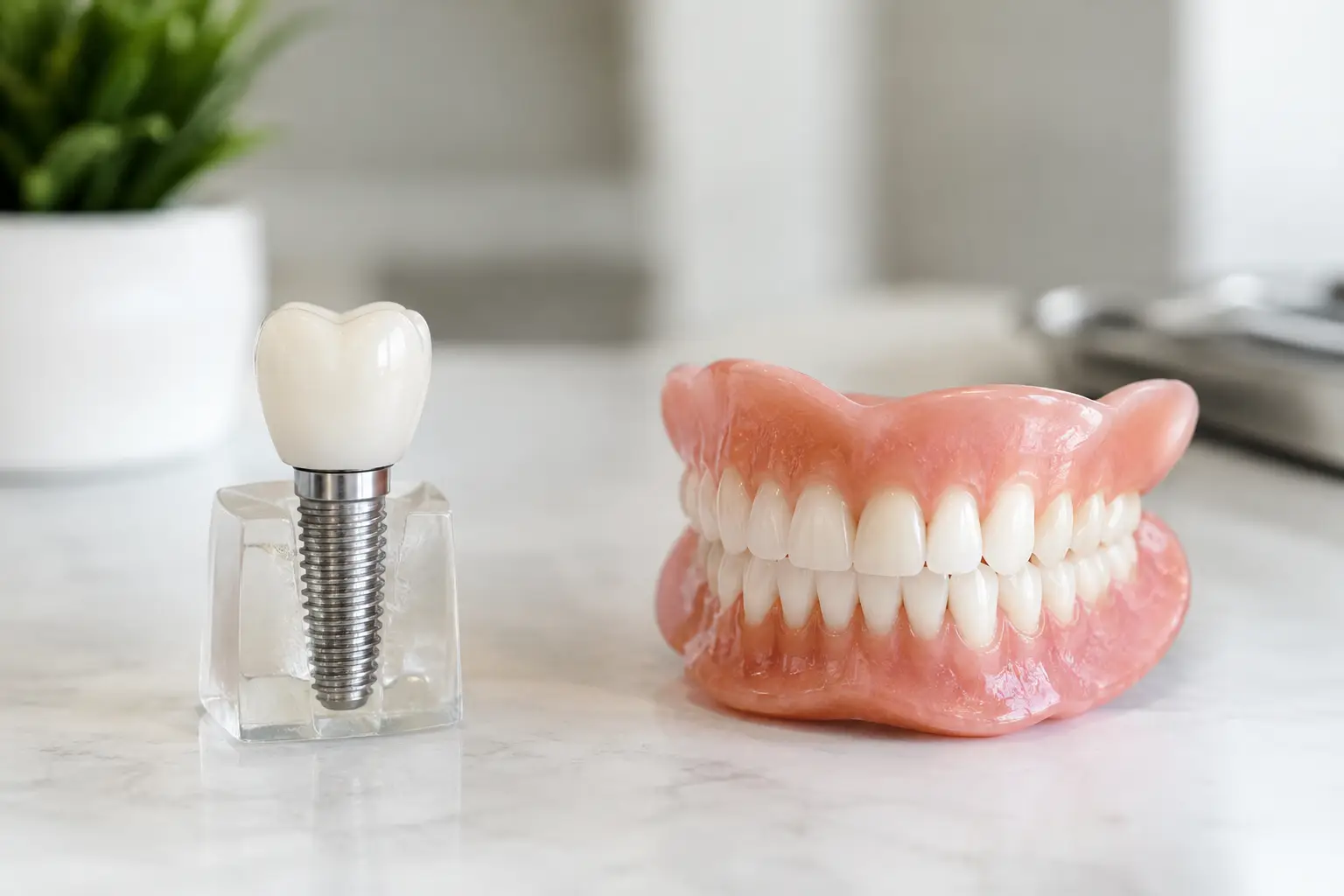
An extraction may be necessary when a tooth is too fractured, severely damaged, or has insufficient support from the bone and gums. Removing a tooth may initially seem simpler, but replacing it can involve additional treatment. A dental implant, bridge, or partial denture may be considered to restore function and prevent nearby teeth from shifting.
There is no single answer that fits every situation. The right choice depends on the tooth’s long-term outlook, your gum and bone health, your budget, and your personal goals. Clear treatment planning helps you weigh the immediate cost and time involved against the long-term consequences of each option.
How to care for a tooth after root canal treatment
Once the tooth has been restored, care is much like caring for your other natural teeth. Brush twice daily with fluoride toothpaste, clean between your teeth every day, and keep up with regular examinations and hygiene visits. These habits help protect the tooth, the restoration, and the gums around it.
If you clench or grind your teeth, a custom night guard may help protect a crown or restored tooth from excess force. Avoid chewing hard foods on a temporary restoration, and do not use teeth to open packaging or bite non-food items. A root canal treats the infection inside a tooth, but it does not make the tooth immune to future decay, gum disease, or fractures.
When tooth pain needs prompt attention
Call for a dental assessment promptly if you have persistent tooth pain, facial swelling, a bad taste that will not go away, pain when biting, or sensitivity that lingers. If swelling is spreading, you have trouble swallowing or breathing, or you develop a fever with dental swelling, seek urgent medical care.
Waiting can allow an infection to become more difficult to manage and may reduce the chances of saving the tooth. At Bright Smile Dental Clinic, patients can expect clear explanations, gentle care, and a treatment plan that considers both comfort and long-term function.
A painful tooth rarely improves by being ignored. Booking an assessment while symptoms are still manageable can give you more options, more comfort, and the best opportunity to protect your natural smile.