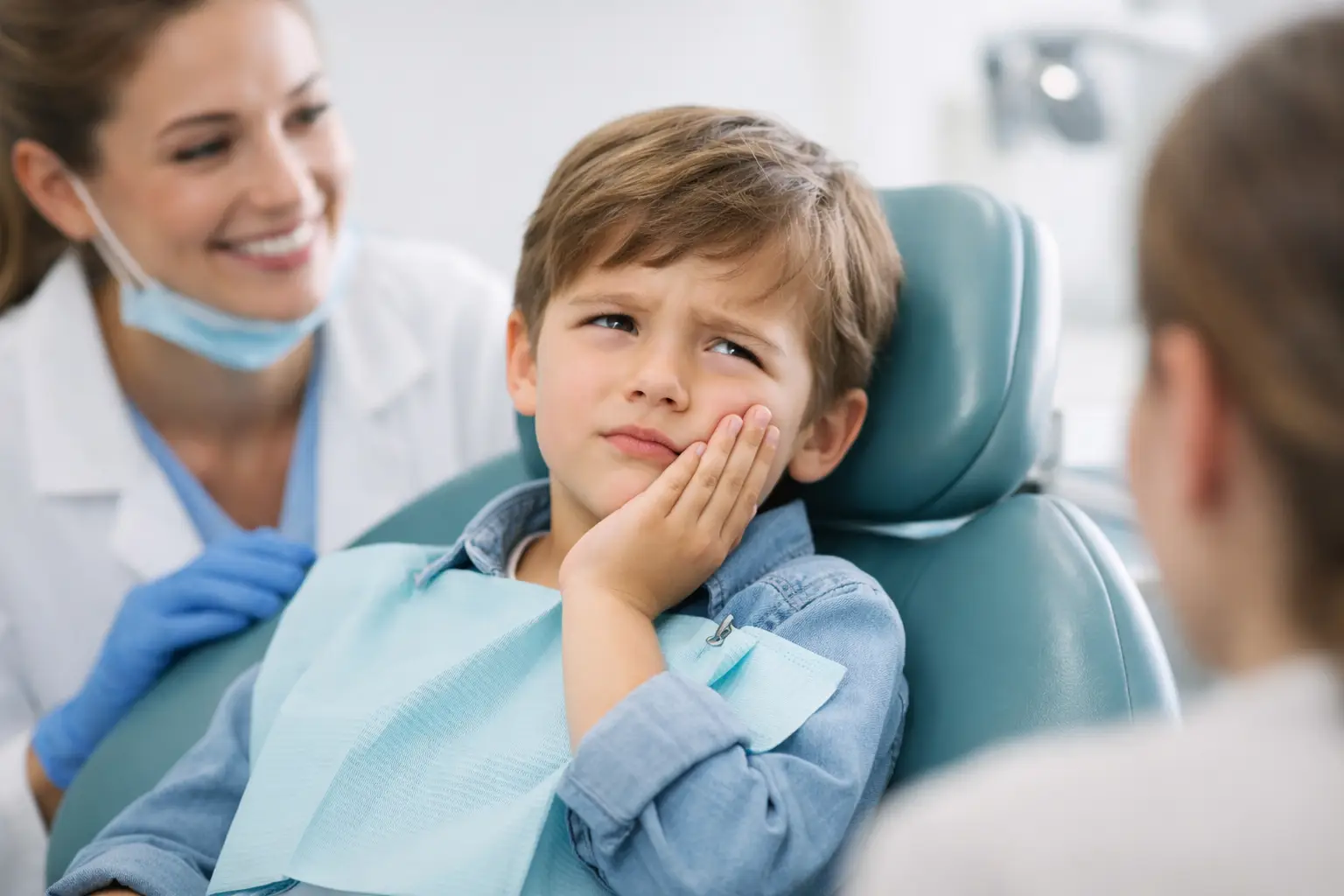
A toddler who suddenly avoids one side of their mouth, a school-aged child with a lingering toothache, or a baby with their first tooth coming in can all leave parents wondering when children need a dentist. The answer is often sooner than families expect. Early, calm dental care helps prevent small concerns from becoming painful problems and gives children a positive foundation for lifelong oral health.
Start Before There Is a Problem
A child should have their first dental visit by their first birthday, or within six months of their first tooth appearing. This early appointment is not usually about treatment. It is a chance to check that teeth and gums are developing normally, look for early decay, and discuss feeding, brushing, fluoride, and habits such as thumb-sucking or soother use.
Some parents wait until all baby teeth have come in or until their child complains of pain. Unfortunately, tooth decay can begin much earlier, especially when milk, formula, juice, or other sweet drinks are regularly offered at bedtime or sipped throughout the day. Baby teeth matter. They support chewing, speech development, confidence, and the spacing needed for permanent teeth to grow in properly.
A first visit can also be brief and gentle. For a very young child, the goal may simply be to sit with a parent, meet the dental team, and become familiar with the sights and sounds of the clinic. A comfortable introduction is often more valuable than trying to accomplish too much at once.
When Children Need a Dentist Between Checkups
After the first visit, most children benefit from regular examinations and hygiene appointments. The exact schedule depends on their age, cavity risk, oral hygiene, diet, orthodontic development, and any existing dental concerns. Your dentist can recommend an interval that suits your child rather than applying the same timeline to every family.
Between routine visits, book an appointment if you notice a change in your child’s teeth, gums, bite, or comfort. Children do not always describe dental pain clearly. They may say their tooth feels funny, chew only on one side, wake during the night, become irritable at meals, or avoid cold foods.
Signs that should be assessed include:
- A toothache, sensitivity to hot or cold foods, or pain while chewing
- White, brown, or black spots on a tooth, particularly near the gumline
- Bleeding, swollen, red, or sore gums that do not improve with gentle brushing
- A chipped, cracked, loose, or discoloured tooth after a fall or sports injury
- Persistent bad breath, a pimple-like bump on the gums, facial swelling, or fever with dental pain
- Teeth that seem crowded, a bite that looks uneven, or difficulty biting and chewing
Not every change means a serious problem. For example, mild gum bleeding can happen when a child first starts brushing more thoroughly. Still, ongoing bleeding, pain, or visible changes deserve professional attention. A quick examination may provide reassurance, or it may identify a concern while treatment is simpler.
Tooth Decay Can Be Easy to Miss
Early childhood cavities do not always look like obvious holes. The first sign may be a chalky white patch where minerals are being lost from the enamel. As decay progresses, the area can become yellow, brown, or dark. By the time a child reports pain, the cavity may be deeper and closer to the nerve of the tooth.
Parents sometimes feel surprised or discouraged when a young child has a cavity, but decay has many contributing factors. Tooth shape, enamel strength, diet, brushing ability, saliva, bedtime feeding habits, and family history can all play a role. The productive next step is not blame. It is a clear plan to stop the decay, restore comfort, and reduce the chance of future cavities.
Depending on the finding, care may involve fluoride treatment, a small filling, a protective crown for a more damaged baby tooth, or monitoring an early area closely. Gentle techniques and clear explanations can make these appointments manageable, even for children who are nervous or have had a difficult experience elsewhere.
Dental Injuries Need Prompt Advice
Children fall, collide during play, and take knocks while learning new sports. If a tooth is chipped, pushed out of position, loose, or completely knocked out, contact a dentist promptly. Acting quickly can affect the outcome.
If a permanent tooth has come out completely, handle it by the crown, not the root. If it is dirty, rinse it gently with milk or clean water without scrubbing it. If your child is mature enough to do so safely, the tooth may be placed back in its socket. Otherwise, keep it moist in milk or inside the child’s cheek if they are old enough not to swallow it, and seek urgent dental care right away.
Do not try to put a knocked-out baby tooth back into the socket. It could damage the developing permanent tooth underneath. Even when a baby tooth injury seems minor, an examination can help determine whether the tooth, gums, or developing adult tooth needs monitoring.
Swelling, Infection, and Severe Pain Should Not Wait
A toothache that lasts more than a day, keeps a child awake, or interferes with eating should be assessed as soon as possible. Severe decay, a cracked tooth, or an infection can all cause significant pain. Swelling in the gums or face, a bad taste in the mouth, or a small bump on the gum may signal infection even if the pain seems to come and go.
Call a dental clinic promptly for dental pain with swelling. If swelling affects breathing or swallowing, spreads quickly, or is accompanied by a high fever or serious illness, seek emergency medical care. Dental infections should not be treated as something a child simply has to wait out.
Until your child can be seen, use pain medication only as directed by their physician, pharmacist, or the product label for their age and weight. Avoid placing aspirin, alcohol, or numbing gels directly on the gums. These home approaches can irritate delicate oral tissues and do not address the cause of the pain.
Watch How the Bite Is Developing
Not every child who has crowded teeth needs early orthodontic treatment. Many changes are normal as baby teeth fall out and permanent teeth emerge. However, an early dental assessment can identify issues that may benefit from monitoring or timely intervention.
Bring up concerns such as mouth breathing, snoring, prolonged thumb-sucking, teeth that protrude significantly, crossbites, difficulty closing the lips comfortably, or a jaw that clicks or causes pain. A dentist can evaluate the teeth, gums, jaw, and bite, then explain whether observation, habit support, a referral, or orthodontic planning makes sense.
Early assessment does not always mean braces right away. In many cases, the best plan is simply to monitor growth and choose treatment at the stage when it will be most effective.
Help Anxious Children Feel Safe at the Dentist
Children often take their cues from the adults around them. Instead of promising that a visit will not hurt, which can create worry, keep the language simple and positive. You might explain that the dentist will count their teeth, take pictures if needed, and help keep their smile healthy.
Choose an appointment time when your child is usually rested and not hungry. Bring a familiar comfort item for younger children, and let the dental team know in advance if your child is fearful, has sensory sensitivities, or has had an upsetting medical or dental experience. A comfort-first approach may include a slower introduction, frequent breaks, simple explanations, and, when clinically appropriate, options to help with anxiety.
At Bright Smile Dental Clinic, families can expect personalized recommendations and clear conversations about what their child needs now, what can be monitored, and how to make care as comfortable as possible.
Small Daily Habits Make a Meaningful Difference
Regular dental visits work best alongside everyday care at home. Parents should brush a baby’s first teeth twice daily using a soft, age-appropriate toothbrush and a small amount of fluoride toothpaste. Young children need hands-on help with brushing because they generally do not have the coordination to clean thoroughly on their own. As teeth begin to touch, flossing becomes part of the routine too.
Water between meals, balanced snacks, and limiting frequent sugary drinks help protect teeth. The frequency of sugar exposure matters as much as the amount. A sweet drink slowly sipped over an afternoon gives mouth bacteria repeated fuel, while water is a better everyday choice.
If you are unsure whether a symptom can wait, it is reasonable to call and ask. A child does not need to be in severe pain before they deserve attention. A calm dental visit today can protect their comfort, confidence, and growing smile for years to come.