A smile concern can be very specific: one chipped front tooth in photos, years of coffee staining, a small gap that catches your eye, or teeth that look uneven despite being healthy. Cosmetic dentistry focuses on improving the appearance of your smile, but the best treatment also considers comfort, bite function, gum health, and how natural you want the final result to look.
There is no single “perfect smile” or one treatment that suits everyone. A bright, even result should still look like it belongs to you. The right plan begins with a conversation about what you would like to change, followed by a careful assessment of your teeth, gums, bite, and existing dental work.
What cosmetic dentistry can help improve
Cosmetic dental treatment can address colour, shape, size, spacing, alignment, and visible wear. Some options make a subtle change in one appointment, while others rebuild several teeth or gradually move teeth into a healthier position.
Many patients are surprised to learn that the most noticeable improvement is not always the most extensive one. Whitening may be enough for someone with healthy, well-aligned teeth. For another person, replacing an old discoloured filling or repairing a chipped edge with bonding can create a more balanced smile without changing every tooth.
Before recommending cosmetic treatment, your dentist should check for concerns such as tooth decay, gum disease, cracks, infection, or a bite that is putting excess pressure on certain teeth. Cosmetic work placed over an active oral health problem may not last as intended. Addressing the foundation first helps protect your investment and supports a more comfortable result.
Cosmetic dentistry treatments and when they fit
Professional teeth whitening
Professional whitening is a common starting point for patients whose teeth are healthy but look yellow or stained. It can lighten natural tooth enamel affected by coffee, tea, red wine, tobacco, or normal ageing. In-office treatment may suit people looking for a faster change, while custom take-home trays offer a more gradual approach under dental guidance.
Whitening does not change the colour of crowns, veneers, fillings, or bonding. If you have visible restorations, your dentist can help plan the order of treatment so newer work is matched to your preferred tooth shade. Temporary sensitivity is possible, especially for people who already experience sensitivity to cold. A gentler schedule or desensitizing products may help.
Dental bonding
Bonding uses tooth-coloured composite resin to improve a small chip, worn edge, minor gap, uneven contour, or area of discolouration. It is often a conservative option because little or no natural tooth structure may need to be removed. It can also usually be completed in one visit.
The trade-off is durability. Bonding can stain, chip, or wear over time, particularly for people who bite their nails, chew ice, or grind their teeth. It may need polishing, repair, or replacement in the future. For a small, localized concern, however, it can be an excellent way to create a natural-looking improvement without committing to more extensive treatment.
Porcelain veneers
Veneers are thin, custom-made porcelain coverings placed on the front surfaces of teeth. They can change colour, shape, proportion, and minor spacing concerns, which makes them a useful option for patients seeking a more comprehensive cosmetic change. Porcelain is resistant to staining and can reflect light in a way that closely resembles natural enamel.
Veneers require thoughtful planning. In many cases, a small amount of enamel must be reshaped to make space for the veneer, so treatment is generally irreversible. They are also not ideal for every bite or for teeth with significant decay, large fillings, or untreated grinding. A night guard may be recommended when clenching or grinding could put veneers at risk.
Invisalign and orthodontic treatment
Crooked, crowded, or spaced teeth can affect more than appearance. Alignment can influence how easy teeth are to clean and how forces are distributed when you bite. Clear aligners such as Invisalign can gradually move teeth using a series of removable trays, offering a discreet option for many teens and adults.
Clear aligners depend on consistent wear. They need to be worn for most of the day and removed for meals and oral hygiene. They may not be the best solution for every complex orthodontic concern, and some cases are better managed with other orthodontic approaches. Your dentist can explain what is realistic for your teeth, timeline, and bite.
Crowns, implants, and restorative cosmetic care
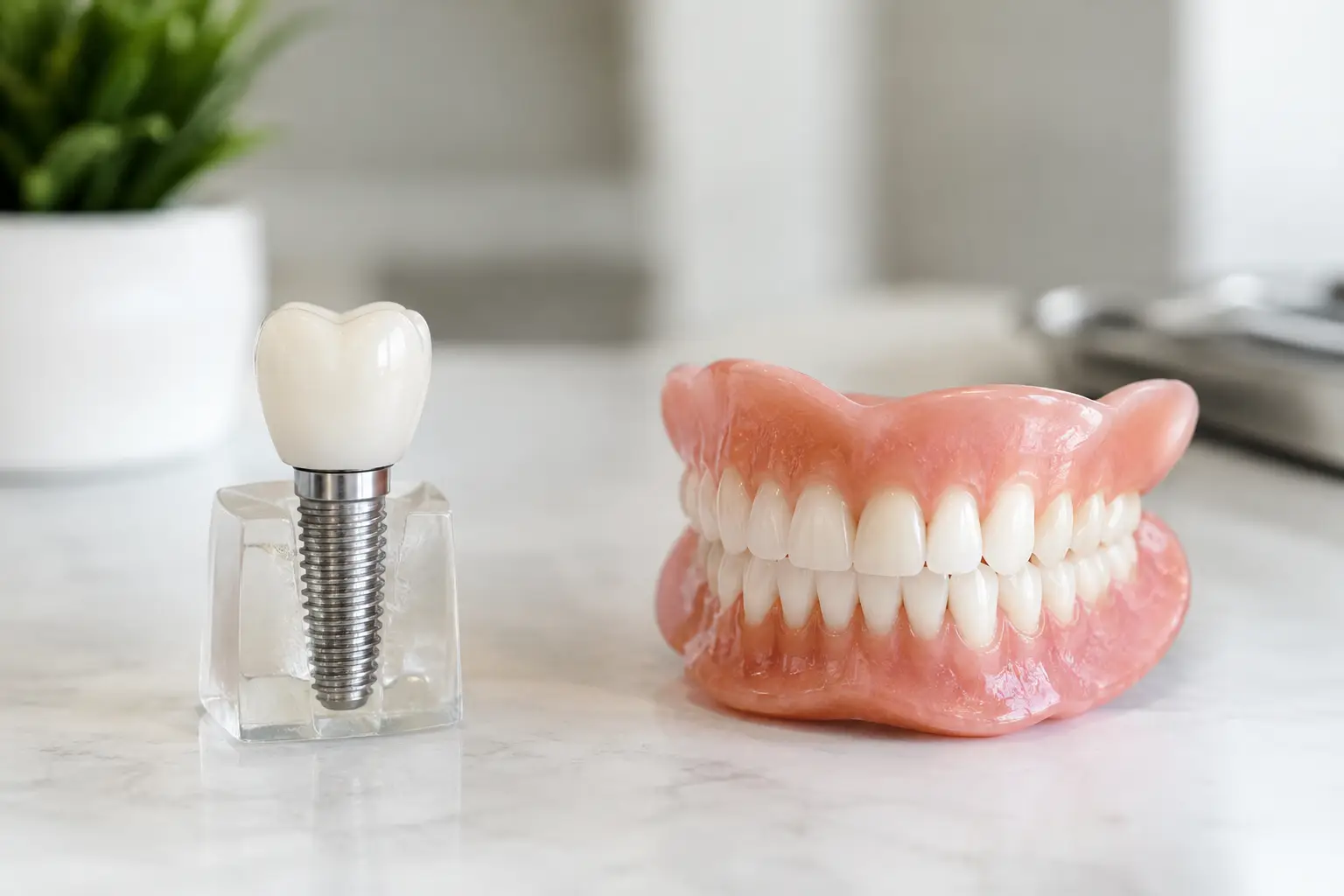
Sometimes an aesthetic concern is also a functional one. A severely worn, broken, or heavily filled tooth may need a crown rather than a purely cosmetic treatment. A missing tooth may be replaced with a dental implant, bridge, or denture to restore appearance and chewing ability while helping maintain the surrounding teeth.
These options are planned differently from whitening or bonding because they address tooth structure and function as well as appearance. The goal is not to make a restoration look separate from your smile. It is to match colour, shape, and proportion while creating a result that feels comfortable when you eat and speak.
Choosing a result that still looks like you
Photos can be helpful when discussing the style of smile you prefer, but they should be a starting point rather than a template. Tooth shade, facial features, lip movement, gum line, and skin tone all affect what looks balanced. Very bright teeth may suit one person, while a softer shade looks more natural for another.
It also helps to be specific about what matters most. You may want straighter teeth, a less noticeable chip, or a smile that looks healthier without appearing dramatically different. Clear priorities allow your dentist to present practical options, including what can be completed in one visit and what may require a phased plan.
At Bright Smile Dental Clinic, treatment planning is designed to give patients clear explanations before they decide. That includes discussing expected results, maintenance needs, comfort considerations, and costs, so there are no surprises about the steps involved.
Questions to ask before starting treatment
A cosmetic consultation should feel collaborative, not rushed. Ask what condition your teeth and gums are in now, whether treatment could affect your bite, and how long the result is expected to last. It is also reasonable to ask what maintenance will be needed and whether a more conservative alternative could achieve your goal.
For example, whitening may be a sensible first step before choosing veneer shade. Orthodontic treatment may reduce the need to reshape healthy teeth. In other cases, a crown is the safer choice because the tooth needs strength as well as a better appearance. The best answer depends on the clinical condition of your mouth, not only the mirror.
Budget planning matters, too. Some treatment can be staged over time, beginning with essential dental care and moving to cosmetic improvements when you are ready. Your dental team can review insurance coverage where applicable, direct billing options, and treatment priorities in a clear, respectful way.
Caring for your cosmetic dental work
Good home care helps every cosmetic result last longer. Brush twice daily with a soft toothbrush and fluoride toothpaste, clean between teeth every day, and attend regular examinations and hygiene visits. If you have veneers, bonding, crowns, or implants, these appointments allow your dental team to check margins, gum health, and signs of wear early.
Avoid using your teeth to open packages or bite hard objects. If you grind or clench, a custom night guard can help protect natural teeth and dental work. For whitening, limiting frequent exposure to staining drinks and following your dentist’s touch-up guidance can help maintain the shade you enjoy.
A cosmetic change should leave you feeling more comfortable showing your smile, not pressured to pursue someone else’s version of it. If there is one feature you would like to improve, a consultation can turn that concern into a clear, manageable plan built around your health, comfort, and goals.