A dry, sticky feeling in your mouth can make everyday things feel unexpectedly difficult. You may need water to finish a meal, wake up with a sore throat, struggle to wear dentures comfortably, or notice that your breath changes during the day. Learning how to manage dry mouth can bring real relief, but it also helps protect your teeth and gums.
Saliva does more than keep your mouth comfortable. It washes away food particles, helps neutralize acids, supports digestion, and protects tooth enamel. When saliva flow is reduced, the risk of cavities, gum irritation, oral infections, and trouble chewing or speaking can increase. The good news is that many people can improve symptoms with a few practical changes and the right dental support.
Why dry mouth happens
Dry mouth, also called xerostomia, occurs when your salivary glands do not produce enough saliva or when saliva evaporates quickly. Temporary dry mouth is common after a poor night’s sleep, during stress, or after spending time in dry indoor air. Persistent symptoms, however, deserve closer attention.
Prescription and over-the-counter medications are among the most common causes. Some medications for allergies, colds, blood pressure, depression, anxiety, pain, bladder control, and sleep can reduce saliva flow. Do not stop or adjust a medication on your own. A physician or pharmacist can help determine whether another option, a timing adjustment, or a symptom-management plan may be appropriate.
Dry mouth can also be connected to dehydration, mouth breathing, smoking or vaping, alcohol use, caffeine, diabetes, certain autoimmune conditions, and head or neck radiation treatment. For some people, especially older adults, several factors overlap. A dental examination can help identify how dry mouth is affecting your oral health, even when the underlying cause requires care from another health professional.
How to manage dry mouth throughout the day
The most effective approach is usually a combination of hydration, saliva stimulation, and stronger cavity prevention. What works best depends on the cause and how severe your symptoms are.
Start by taking small, frequent sips of water rather than waiting until your mouth feels completely dry. Keep water beside your bed, at your desk, or in the car if dry mouth affects you often. If you wake with a dry mouth, try drinking water before bed and when you wake during the night. A humidifier may also help if your bedroom air is dry or you tend to sleep with your mouth open.
Sugar-free gum or sugar-free lozenges can encourage saliva production when you still have some natural saliva flow. Products containing xylitol may be a helpful choice because they do not feed cavity-causing bacteria in the same way sugar does. Gum is not suitable for everyone, though. If you have jaw pain, TMJ symptoms, or dental work that makes chewing uncomfortable, lozenges or another option may be gentler.
Saliva substitutes, moisturizing gels, sprays, and rinses can provide short-term comfort. They do not replace natural saliva perfectly, but they can be particularly useful before speaking for long periods, wearing dentures, or going to sleep. Look for alcohol-free products, since alcohol can increase dryness for some people.
Certain daily habits can make a noticeable difference:
- Choose water most often, and limit alcohol, highly caffeinated drinks, and sugary beverages when possible.
- Avoid tobacco and vaping, which can irritate oral tissues and worsen dryness.
- Use lip balm if your lips are dry or cracked, especially in cold weather.
- Choose softer, moist foods when eating feels difficult. Sauces, gravies, soups, and water with meals can make swallowing more comfortable.
- Breathe through your nose when possible. Ongoing congestion, snoring, or suspected sleep apnea may need medical assessment.
It may be tempting to use candy, sweet tea, juice, or sports drinks for quick relief. Unfortunately, frequent sugar exposure can raise your risk of tooth decay, particularly when saliva is already low. Acidic drinks can add to enamel wear as well. If you do have a sweet or acidic drink, having it with a meal is generally kinder to your teeth than sipping it repeatedly over several hours.
Protecting teeth when saliva is low
When dry mouth continues for weeks or months, prevention becomes especially important. Cavities can develop quickly around the gumline, between teeth, and along the edges of fillings or crowns. People with dry mouth may also notice a burning sensation, changes in taste, a coated tongue, or recurring sores.
Brush twice daily with a soft toothbrush and fluoride toothpaste. Spit out excess toothpaste after brushing, but avoid rinsing thoroughly with water right away so the fluoride can stay on your teeth longer. Clean between your teeth every day with floss or an interdental cleaner that feels comfortable for you.
A dentist may recommend a higher-fluoride toothpaste, fluoride varnish during hygiene visits, or other targeted preventive care if you are developing cavities or have a high risk of decay. This recommendation is individualized. Someone with occasional nighttime dryness may need simple home changes, while someone taking multiple dry-mouth-causing medications may benefit from more frequent monitoring and stronger fluoride protection.
Regular dental cleanings and examinations matter because dry mouth can change the condition of your mouth between visits. Early signs of decay or gum inflammation are often easier, more comfortable, and less costly to treat than advanced problems.
When dry mouth needs professional attention
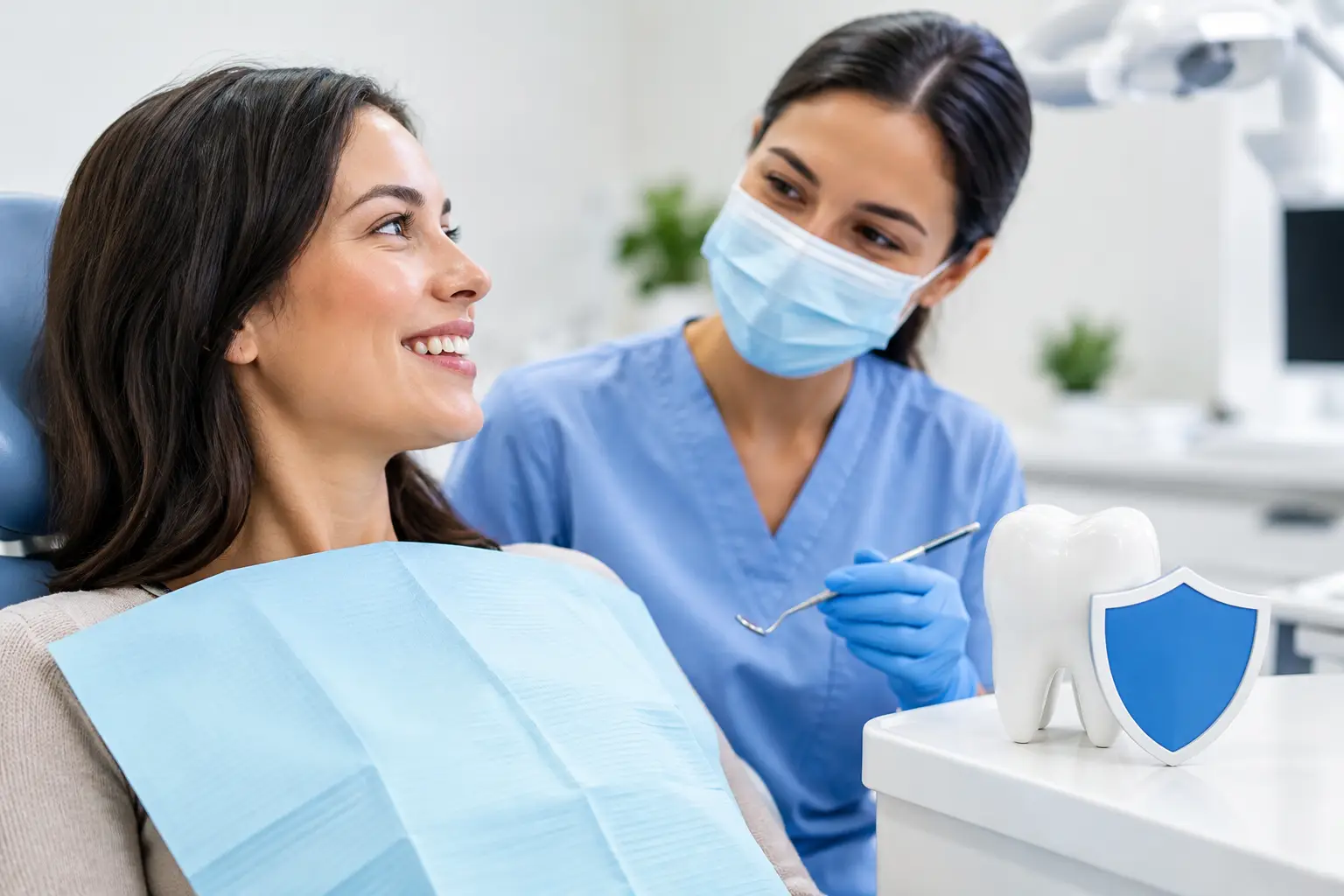
Book a dental appointment if dry mouth lasts longer than a couple of weeks, is getting worse, or is affecting eating, speaking, sleeping, or denture comfort. Your dentist can check for cavities, gum concerns, oral infections, sharp tooth edges, and other issues that may be adding to your discomfort. They can also review the products you use and create a prevention plan that fits your needs.
It is also wise to speak with a physician if you have dry mouth along with frequent thirst, increased urination, dry eyes, joint pain, swollen salivary glands, unexplained weight changes, or a new change in your general health. These symptoms do not always indicate a serious condition, but they are worth discussing.
Seek prompt medical or dental care for significant swelling, trouble swallowing, difficulty breathing, fever, severe pain, or a sore that does not heal. Those symptoms need assessment rather than home treatment alone.
Dry mouth and dentures, implants, or dental treatment
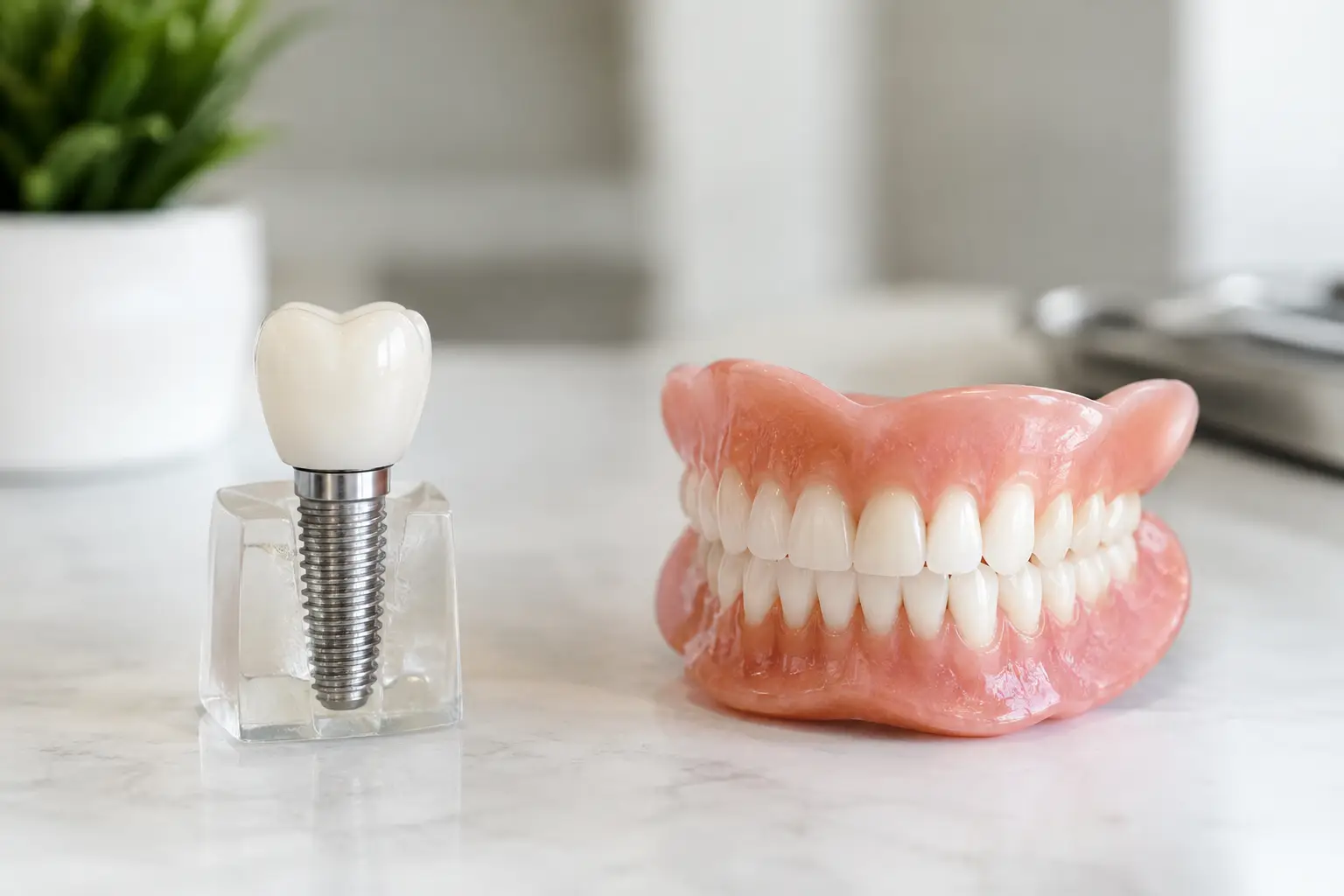
Dry mouth can be particularly frustrating for denture wearers because saliva helps create a comfortable seal and reduces friction. If your dentures suddenly feel loose, rub your gums, or cause sore spots, a fit adjustment may be needed. Adhesives may help some people, but they should not replace an assessment of a denture that no longer fits well.
For people with crowns, bridges, implants, or orthodontic appliances, keeping plaque under control is equally important. Dryness can make food feel more likely to stick around teeth and appliances. A hygienist can show you practical cleaning techniques and recommend products that are gentle on your mouth.
At Bright Smile Dental Clinic, dry-mouth care begins with listening to what you are experiencing and looking at the full picture of your oral health. Whether the concern is mild discomfort, frequent cavities, denture irritation, or anxiety about a changing symptom, a clear and personalized plan can make the next steps feel manageable.
Dry mouth is common, but you do not have to simply put up with it. Small daily adjustments can improve comfort, while regular dental care helps keep a dry mouth from becoming a larger problem for your smile.