A tooth can crack while biting into a hard candy, chewing ice, grinding at night, or even around an older filling. Sometimes the pain is sharp and immediate. Other times, it appears only when you release your bite or drink something cold. The best treatment for cracked tooth concerns depends on where the crack is, how deep it extends, and whether the tooth’s nerve and root are affected.
The encouraging news is that many cracked teeth can be repaired and kept for years with timely care. A dental examination gives you clear answers and helps prevent a small crack from becoming a larger break, infection, or tooth loss.
Why a cracked tooth should be assessed promptly
Teeth are strong, but they are not indestructible. Repeated chewing pressure, large fillings, clenching or grinding, trauma, and normal wear can all create weak points. A crack may be difficult to see because it can be smaller than a hairline and may sit below the gumline.
Pain does not always reflect the severity of the problem. A shallow crack may feel quite sensitive, while a deeper crack may cause little discomfort at first. Waiting can allow chewing forces and bacteria to travel farther into the tooth. That is why a new biting pain, unexplained sensitivity, or a chipped area deserves a professional assessment.
Call for a prompt dental appointment if you notice pain when chewing, sensitivity that lingers after hot or cold foods, swelling near the tooth, or a visible fracture. Seek urgent care if facial swelling, fever, trouble swallowing, or difficulty breathing occurs.
Best treatment for cracked tooth problems: it depends on the crack
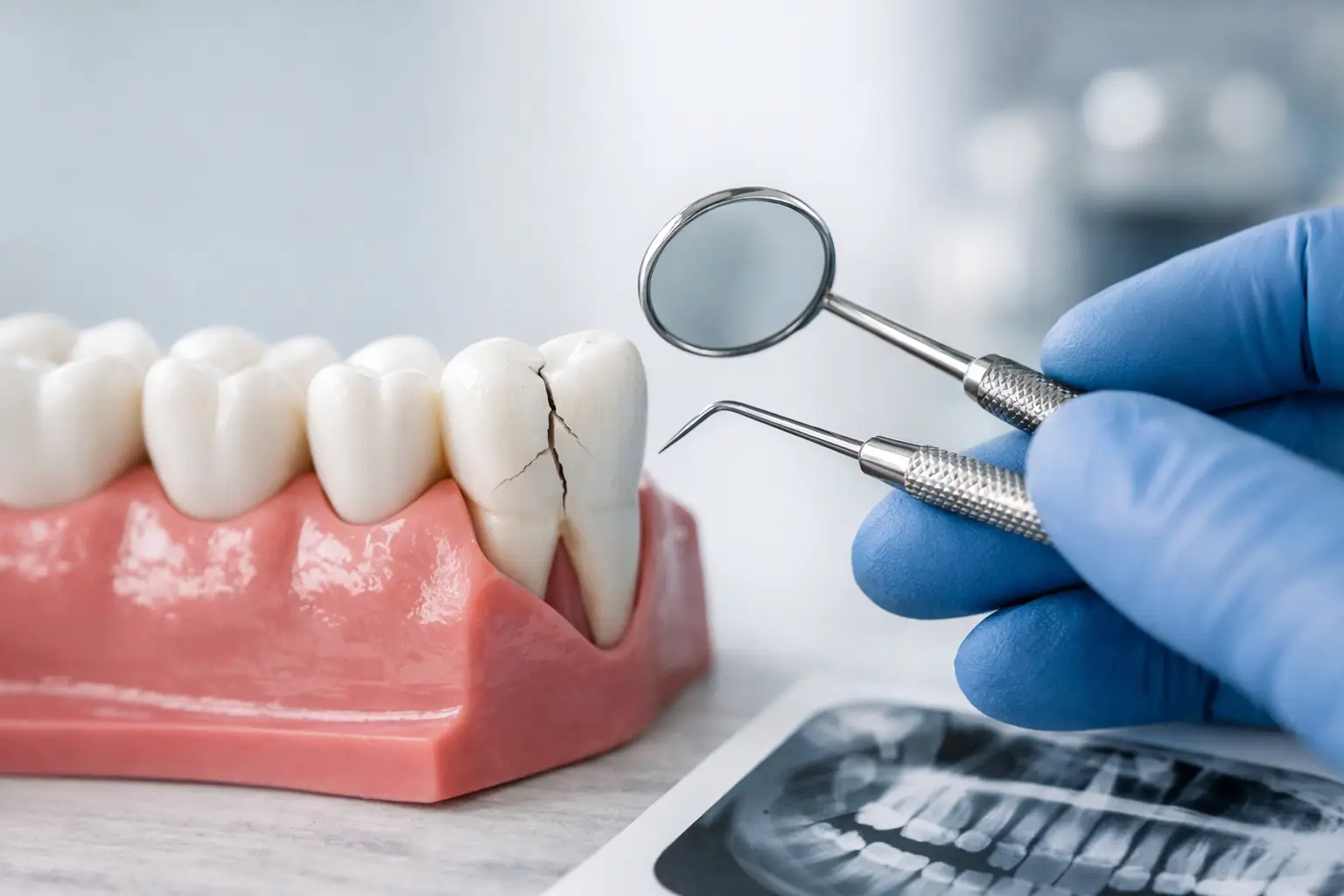
Your dentist will examine the tooth, assess your bite, and may take X-rays. Since fine cracks do not always show clearly on an X-ray, the assessment also involves checking how the tooth responds to pressure, temperature, and light. The aim is to identify both the crack and the healthiest practical way to protect the tooth.
Small craze lines
Fine surface lines in enamel are often called craze lines. They are common, especially in adult teeth, and usually do not cause pain or threaten the tooth’s structure. If their appearance is a concern, cosmetic options such as bonding or veneers may be discussed. If they are not causing symptoms, monitoring may be all that is needed.
Minor chips and shallow cracks
When a small portion of enamel has chipped or a crack is limited to the outer tooth structure, dental bonding may be appropriate. Your dentist applies a tooth-coloured material to rebuild the damaged edge and smooth the surface. Bonding is conservative and can often be completed in one visit, although it may not offer enough protection for a tooth weakened by a larger crack or heavy biting forces.
In some cases, a small filling can restore a damaged area. This is generally best when the tooth has enough healthy structure remaining and the crack has not weakened the chewing surface significantly.
A cracked cusp or weakened chewing surface
A cusp is one of the pointed chewing sections of a back tooth. It can crack around a large filling or after years of wear. If the fractured piece is still attached, or if removing it leaves the tooth vulnerable, a crown is often the preferred solution.
A dental crown fits over the tooth like a custom protective cap. It holds the remaining tooth structure together, restores the biting surface, and helps stop the crack from spreading under normal chewing pressure. Crowns are commonly recommended for teeth with substantial cracks because a simple filling may not provide enough long-term support.
A crown does require preparation of the tooth and a higher investment than bonding or a filling. However, preserving a natural tooth that can function comfortably is often the most conservative long-term outcome when the root remains healthy.
A crack that reaches the pulp
Inside every tooth is the pulp, which contains nerves and blood vessels. If a crack allows bacteria or irritation to reach this area, the tooth may develop significant sensitivity, spontaneous pain, or infection. In that situation, root canal treatment may be needed before the tooth is restored with a crown.
Root canal treatment removes infected or inflamed pulp tissue, cleans and seals the inside of the tooth, and allows the dentist to restore its structure. The tooth is then usually protected with a crown because it has already been weakened by the crack and treatment. Modern techniques and local anesthetic are designed to keep patients comfortable throughout the process.
A split tooth or crack below the gumline
Not every cracked tooth can be saved. A split tooth has separated into distinct sections, and a vertical root fracture extends down into the root. If the crack reaches too far below the gumline or divides the root, reliable repair may not be possible.
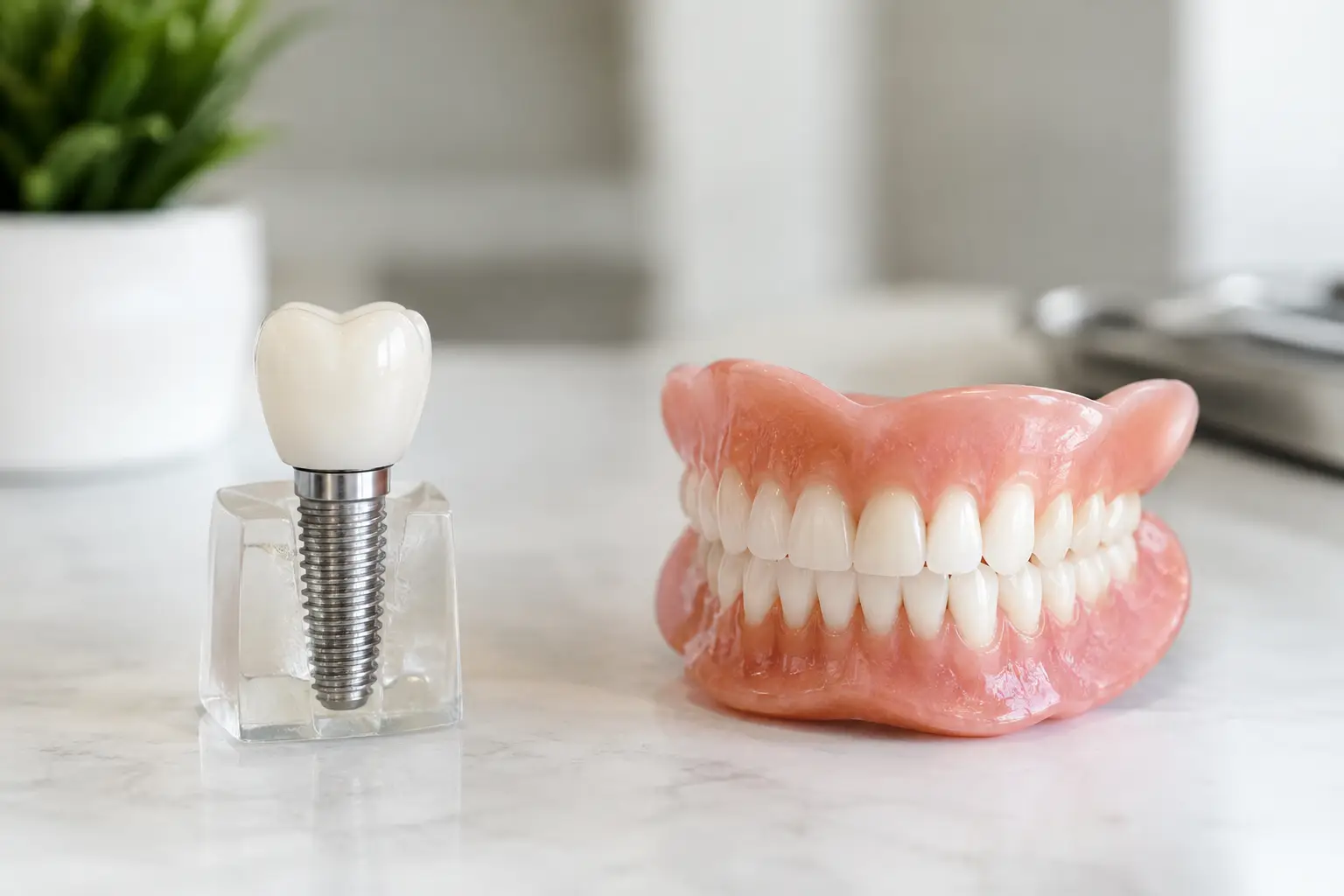
Extraction may be recommended when keeping the tooth would lead to repeated pain, infection, or unsuccessful treatment. While this can feel discouraging, removing a severely compromised tooth can protect the surrounding bone and neighbouring teeth. Replacement options may include a dental implant, bridge, or partial denture, depending on your oral health, budget, timeline, and treatment goals.
What to do before your dental appointment
Until you can be seen, try to avoid chewing on the affected side. Choose softer foods and avoid hard, sticky, or very cold items that may trigger pain or worsen the crack. If a sharp edge is rubbing your cheek or tongue, dental wax can provide temporary coverage.
Over-the-counter pain medication may help if it is safe for you to take, but it will not repair the tooth or treat an infection. Do not place aspirin directly on the gum or tooth. This can irritate the tissue and does not address the source of pain.
If part of the tooth has broken off, keep the piece if you can. It may help your dentist understand the fracture pattern, even though it cannot always be reattached. Avoid trying to glue a broken tooth at home, as household adhesives are not safe for use in the mouth.
How dentists help prevent a crack from getting worse
Once a tooth has been treated, the next step is protecting it from future stress. A crown may be enough when the crack was caused by a weakened restoration or everyday biting forces. If clenching or grinding is contributing, a custom night guard may help reduce pressure on the teeth while you sleep.
Your bite also matters. If one tooth meets first or carries too much force, a minor bite adjustment may be considered. Regular examinations allow your dental team to monitor older fillings, crowns, and teeth with early signs of wear before they become painful fractures.
At Bright Smile Dental Clinic, treatment planning is based on what the tooth needs now and what will offer dependable function over time. You should understand why a filling, crown, root canal, or replacement is being recommended, what alternatives may be available, and how each option fits your comfort and financial considerations.
Questions patients often ask about cracked teeth
Can a cracked tooth heal on its own?
No. Unlike bone, tooth enamel cannot heal a crack by growing back together. Very fine craze lines may not need treatment, but a structural crack needs assessment and, when indicated, protection to prevent progression.
Can I wait if the pain comes and goes?
Intermittent pain is common with cracked teeth because the crack can open under bite pressure and settle when pressure is released. It is still worth booking an examination. Early treatment can be less complex than treating a crack after it reaches the pulp or root.
Is a crown always the best treatment for a cracked tooth?
No. A crown is often an excellent option for a tooth with a substantial crack, but it is not automatically necessary. Small chips may be treated with bonding, while a deeply damaged tooth may need root canal treatment and a crown, or extraction if it cannot be restored. The right option depends on the specific tooth.
Will treatment hurt?
Dental teams use local anesthetic and gentle techniques to keep treatment comfortable. If dental anxiety has made you delay care, tell the clinic before your appointment. Options such as additional comfort measures or sedation may be available depending on the procedure and your health history.
A cracked tooth is rarely something to ignore, but it is also not a reason to assume the worst. Arrange an assessment as soon as you can, protect the tooth from further pressure, and let a personalized treatment plan guide the next step toward comfortable chewing and a healthier smile.