Waking with a tight jaw, a dull headache near your temples, or teeth that feel unusually sensitive can make the start of the day harder than it should be. If you are wondering how to stop teeth grinding, the first step is understanding that this habit, also called bruxism, is not simply something you should try to “will away.” It often happens during sleep, and the right approach depends on what is triggering it and how much it is affecting your teeth, jaw, and rest.
Teeth grinding is common, and it is treatable. A comfortable dental assessment can help identify signs of wear early, protect your smile from further damage, and give you practical options that fit your needs.
Why teeth grinding happens
Some people clench or grind when they are awake, often while concentrating, driving, exercising, or managing stress. Others do it mostly at night and may not realize it until a partner hears the sound or a dentist notices flattened, chipped, or cracked teeth.
Stress and anxiety can contribute, but they are not the only explanations. Sleep disruption, an uneven bite, jaw-joint concerns, caffeine, alcohol, tobacco, and certain medications may play a role. In some cases, sleep-related breathing issues, including obstructive sleep apnea, are associated with nighttime grinding. That is why a personalized assessment is more useful than assuming stress is the whole story.
Grinding does not always cause pain. Teeth can wear down gradually over years, making the change easy to miss. A dentist may spot small cracks, worn enamel, receding gums, tongue indentations, or tenderness in the jaw muscles before you develop more obvious symptoms.
Signs you may be grinding your teeth
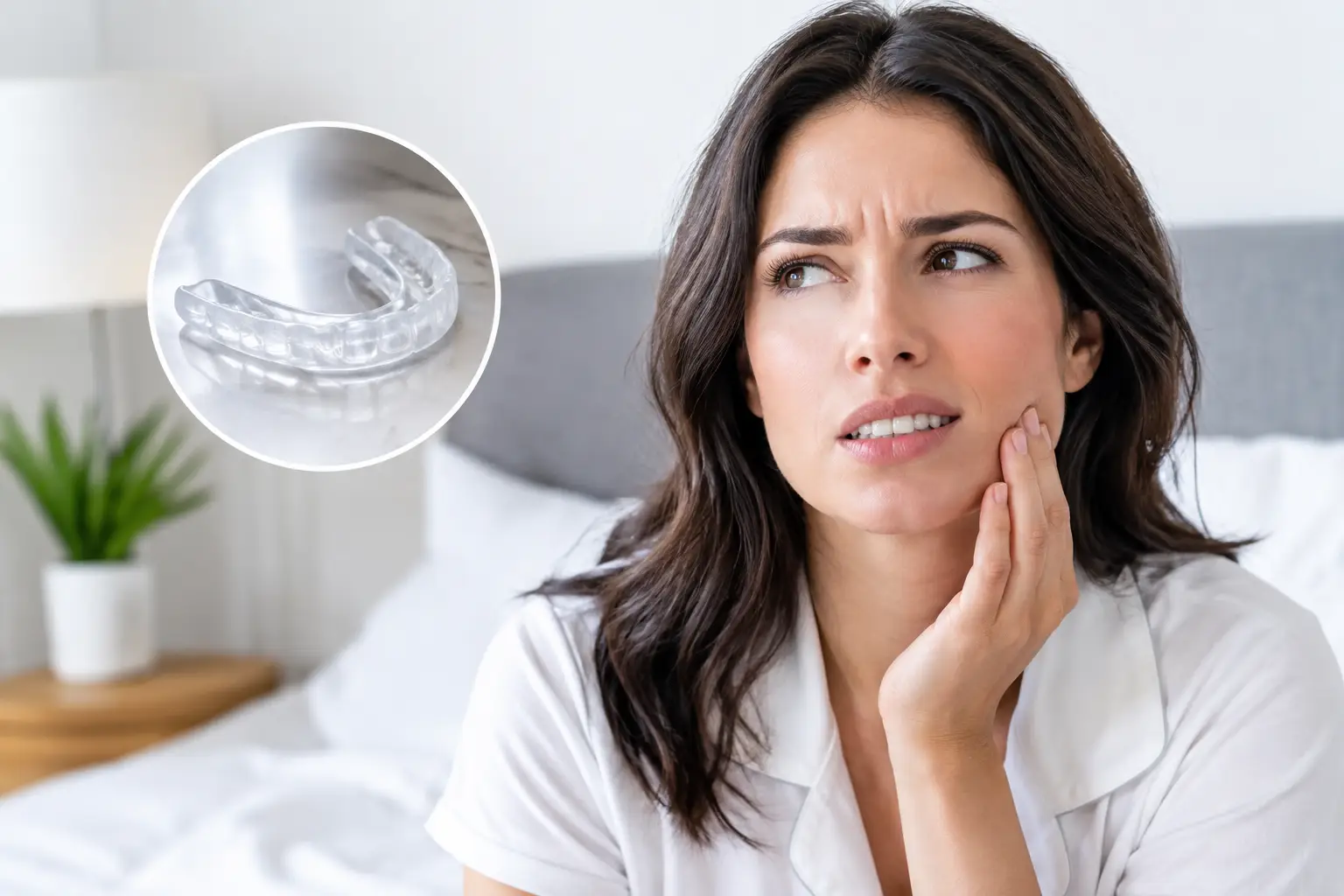
Jaw soreness in the morning is a familiar sign, but it is not the only one. Repeated clenching can lead to headaches, facial muscle fatigue, clicking or discomfort around the jaw joint, and trouble opening your mouth comfortably. Your teeth may become more sensitive to cold, heat, or sweets as enamel wears away.
Look closely for changes in your teeth as well. Edges that once looked naturally uneven may appear flat, teeth may seem shorter, and older fillings or crowns can chip under repeated pressure. A partner may also notice a scraping or crunching sound while you sleep.
Occasional clenching during a stressful week may not cause lasting damage. Persistent symptoms, visible tooth wear, broken dental work, or pain that affects sleep and meals deserve professional attention.
How to stop teeth grinding at home
Home strategies can reduce daytime clenching and support better sleep, although they may not fully stop sleep bruxism on their own. Start by becoming aware of your resting jaw position. Your lips can be gently closed, but your upper and lower teeth should not be touching. When you notice your teeth pressed together during the day, let your jaw relax and place the tip of your tongue lightly behind your top front teeth.
Small reminders can help. A note on your computer, a phone alert, or a pause before responding to a stressful email can interrupt the clenching pattern. If you work at a desk, check whether you are tensing your shoulders and leaning forward. A more supported posture can make it easier for the jaw and neck muscles to relax.
Your evening routine matters too. Try to keep sleep and wake times reasonably consistent, and give yourself time to wind down without work, intense exercise, or upsetting content immediately before bed. Gentle jaw stretches, slow breathing, a warm compress over sore jaw muscles, or a quiet shower may ease tension for some people.
Consider reducing triggers that can make sleep lighter or muscle activity more noticeable. Caffeine later in the day, alcohol close to bedtime, smoking or vaping, and chewing gum can worsen symptoms for some patients. There is no single rule that works for everyone, so notice patterns rather than making broad changes you cannot maintain.
Avoid chewing ice, pen caps, or other hard objects. These habits add pressure to teeth that may already be under strain. If your jaw is sore, choose softer foods temporarily and avoid opening very wide for large bites.
Protecting your teeth while treating the cause
A dental night guard is one of the most reliable ways to protect teeth from the force of grinding. It does not necessarily eliminate the underlying muscle activity, but it creates a protective barrier between the upper and lower teeth. This can reduce wear, limit damage to fillings and crowns, and lessen strain on the jaw for many patients.
Over-the-counter guards can seem convenient, but they are not suitable for everyone. A bulky or poorly fitting guard may feel uncomfortable, affect how your teeth meet, or be difficult to wear consistently. A custom-made night guard is designed from an impression or digital scan of your teeth and adjusted for fit, comfort, and your bite.
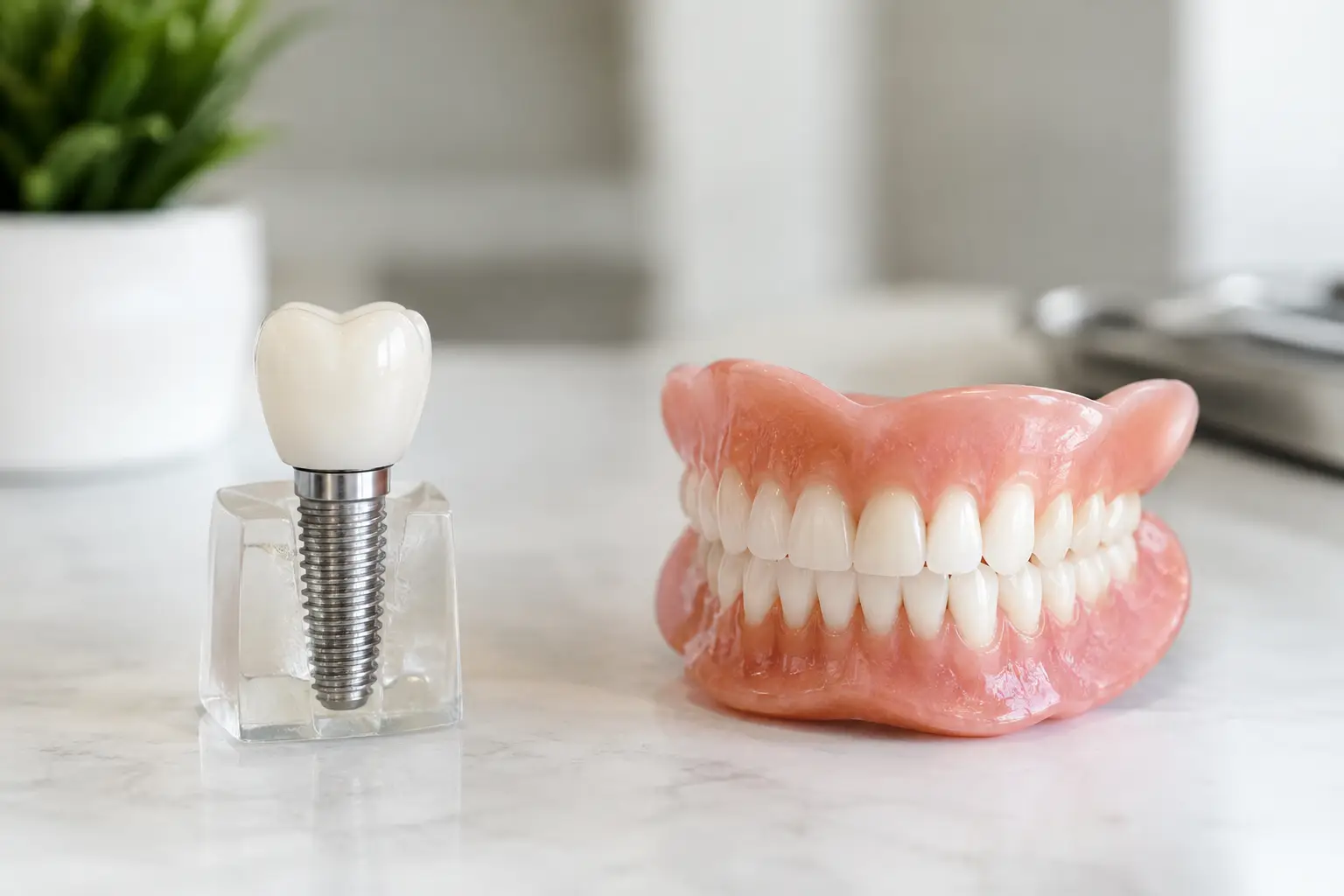
If you already have crowns, veneers, implants, bridges, orthodontic treatment, or significant tooth wear, a professional recommendation is especially worthwhile. The guard needs to work with your dental treatment, not interfere with it.
When tooth damage is already present, treatment may involve more than a guard. Small chips can sometimes be repaired with bonding, while larger fractures or heavily worn teeth may need a filling, crown, or another restorative solution. The priority is to stabilize and protect your bite before wear becomes more complex to repair.
When jaw pain points to TMJ concerns
Grinding and temporomandibular joint, or TMJ, symptoms can overlap, but they are not identical. You may have jaw pain without grinding, or grind your teeth without a jaw-joint disorder. Clicking alone is not always a concern, particularly if there is no pain or limited movement. However, ongoing pain, locking, reduced opening, or changes in the way your teeth meet should be assessed.
A dentist can examine your teeth, bite, jaw movement, and chewing muscles. Depending on the findings, care may include a custom appliance, guidance on muscle-relaxation habits, restorative treatment, or coordination with another health professional. The goal is not to chase a perfect bite through unnecessary treatment. It is to reduce pain, protect your teeth, and restore comfortable function using the most appropriate option.
Talk about sleep, health, and medications
Bring up any change in sleep quality at your dental visit. Loud snoring, gasping during sleep, daytime exhaustion, morning headaches, or witnessed pauses in breathing may call for a conversation with your physician or a sleep specialist. Addressing an underlying sleep concern can be an essential part of managing nighttime grinding.
Some prescription medications may also be associated with clenching or grinding. Do not stop or change a medication on your own. Instead, tell your dentist and prescribing clinician what you are experiencing so they can consider the timing, possible alternatives, and the safest next steps.
For children, occasional grinding can occur while teeth and jaws are developing. It still deserves mention at regular dental visits, especially if there is pain, visible wear, snoring, or disrupted sleep. A child should not use an adult night guard without professional guidance.
When to book a dental appointment
Book an assessment if you have recurring jaw pain, frequent headaches, tooth sensitivity, chips or cracks, worn teeth, or a partner who hears you grind at night. Seek prompt dental care for a broken tooth, a loose crown or filling, swelling, or severe pain that does not settle.
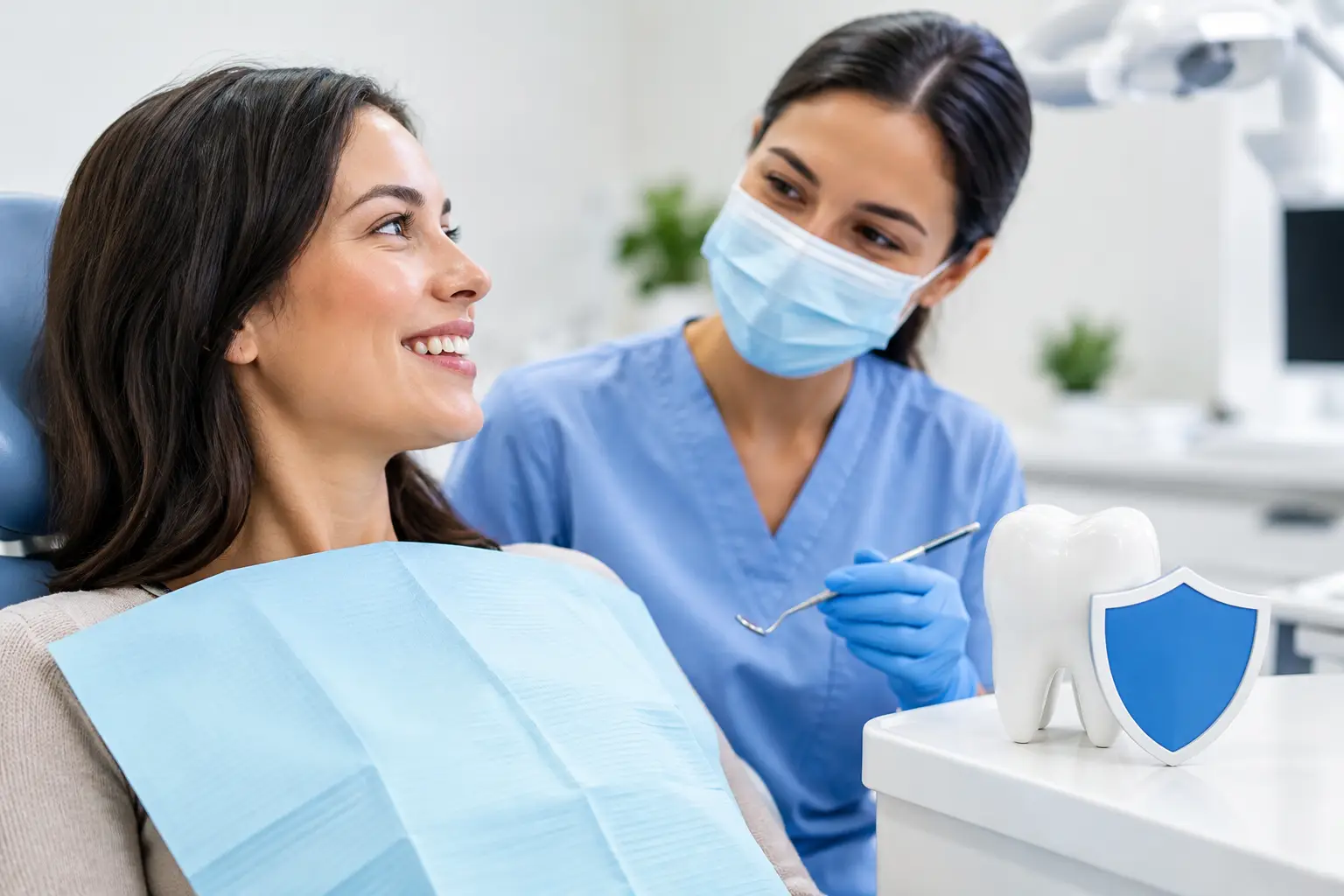
At Bright Smile Dental Clinic, a teeth-grinding visit begins with listening to what you are feeling and examining what is happening in your mouth. You can expect clear explanations of the findings, practical options, and a treatment plan shaped around your comfort, goals, and budget. If dental anxiety has kept you from seeking care, let the team know. Gentle techniques and comfort-focused support can make it easier to take that first step.
You do not need to wait until a tooth breaks to address grinding. A simple conversation and early protection can help preserve the healthy tooth structure you already have, while giving your jaw a better chance to rest.