The first meal after a tooth extraction can feel surprisingly stressful. You may be hungry, numb, sore, and unsure whether a familiar food could disturb the area. Choosing the best foods after extraction helps protect the blood clot that forms in the socket, keeps you nourished, and makes the first few days more comfortable.
Your recovery plan may vary depending on whether you had a simple extraction, wisdom tooth removal, surgical extraction, bone graft, or several teeth removed. Always follow the instructions provided by your dental team first, especially if they differ from general advice. The goal is not to eat as little as possible. It is to choose foods that are soft, easy to manage, and unlikely to irritate the healing site.
Why Food Choices Matter After an Extraction
A blood clot forms in the empty socket shortly after the tooth is removed. It is a natural protective layer that supports healing underneath. Suction, hard or sharp foods, vigorous chewing, and excessive rinsing can dislodge it. When that happens, the socket can become very painful, a condition often called dry socket.
For the first day or two, cool or room-temperature soft foods are generally the easiest choice. As tenderness improves, you can slowly return to warmer and more textured meals. There is no prize for rushing back to crunchy foods. A gradual return is kinder to the extraction site and often more comfortable overall.
Best Foods After Extraction for the First 24 Hours
On the day of treatment, wait until the freezing has worn off before eating. This reduces the risk of accidentally biting your cheek, tongue, or lip. Start with small spoonfuls and chew away from the extraction area if you need to chew at all.
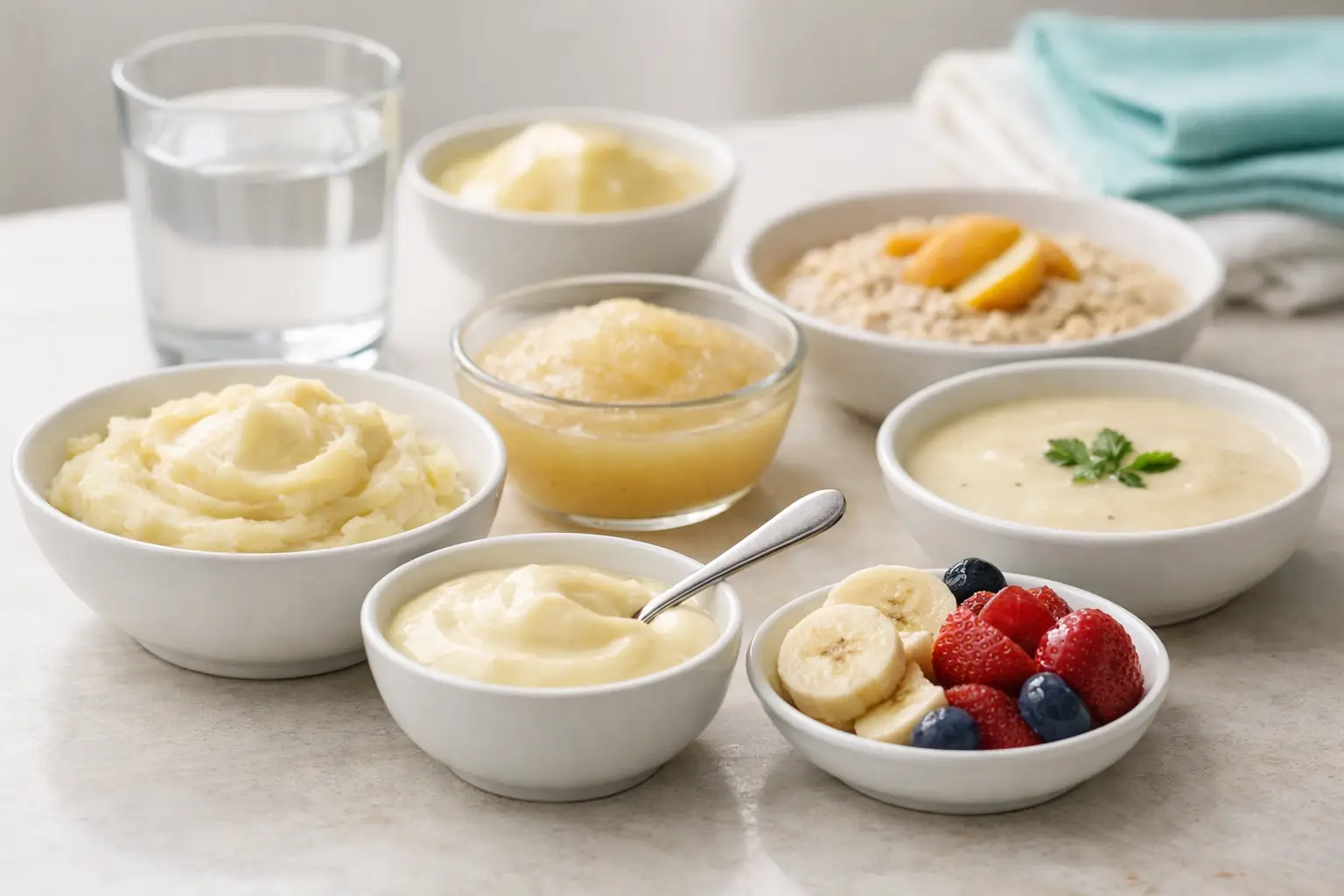
Smooth foods are usually the most reliable option. Plain yogurt, applesauce, pudding, gelatin, mashed avocado, cottage cheese, and blended soups that have cooled down can all work well. Protein shakes may also be useful when chewing is uncomfortable, but drink them from a cup, never through a straw.
Mashed potatoes, smooth sweet potato, oatmeal that has cooled to a lukewarm temperature, and scrambled eggs are more filling choices once you feel ready. Keep textures soft and avoid pepper flakes, seeds, crispy toppings, or small grains that could settle near the socket.
Cold foods can be soothing during the first day. A smooth ice cream or frozen yogurt may be comfortable in moderation, provided it does not contain nuts, cookie pieces, candy, or other hard mix-ins. If you have diabetes or are managing another health condition, choose options that fit the dietary advice you normally follow.
Soft, Nourishing Meals for Days Two to Five
Once bleeding has stopped and discomfort begins to settle, your meals can become more substantial. Continue to favour foods that need little chewing and do not break into sharp pieces. Many people find that planning a few simple meals before their appointment prevents last-minute frustration when they are tired or sore.
Good options include soft pasta, macaroni and cheese, well-cooked noodles, flaky fish, tender tofu, scrambled eggs, soft rice, lentil soup, and finely shredded chicken in a smooth sauce. Vegetables can be included when they are cooked until very soft and mashed or cut into small pieces.
A balanced soft-food meal helps your body recover. Try pairing a source of protein, such as eggs, Greek yogurt, fish, beans, or tofu, with easy-to-eat carbohydrates and fruit or vegetables. For example, scrambled eggs with mashed sweet potato, or soft pasta with finely blended tomato sauce, can be both comforting and practical.
If you had an extraction on one side only, it may be tempting to chew exclusively on the opposite side for several days. That is reasonable at first, but avoid forcing yourself to chew foods that are still too firm. Let comfort guide the pace, and return to normal chewing only when it feels safe.
Temperature Matters Too
Very hot food and drinks can increase bleeding or make the area throb during the first 24 hours. Let soups, tea, coffee, and other hot foods cool to lukewarm before having them. After that first day, warm soft meals are often welcome, but they should not be hot enough to cause discomfort.
Spicy foods are another individual decision. They are not automatically harmful, but they may sting the socket or make you cough, which is unpleasant while healing. It is usually best to wait until the area is less sensitive before adding heat back into your meals.
Foods and Habits to Avoid While Healing
Some foods are more likely to disturb the extraction site, get trapped in the socket, or require forceful chewing. For the first several days, avoid:
- crunchy foods such as chips, popcorn, crackers, nuts, and toast
- hard, chewy foods such as candy, crusty bread, steak, and raw vegetables
- small particles such as seeds, granola, rice, and crumbly cookies when the socket is still open
- acidic, heavily spiced, or very hot foods if they cause stinging or irritation
- alcohol, particularly while taking pain medication or antibiotics
Do not use straws, smoke, vape, or spit forcefully during early healing. Each can create suction or pressure that may disturb the blood clot. If you need to rinse after the first 24 hours, do so gently with the salt-water rinse recommended by your dentist. Let the water fall from your mouth rather than spitting with force.
Hydration Without Straws
Staying hydrated supports recovery, especially if your appetite is low. Sip water regularly from a glass or cup. Milk, electrolyte drinks, and non-acidic smoothies can also help, depending on your needs and preferences.
If swallowing is difficult, nausea is persistent, or you cannot keep fluids down, contact your dental office. This is especially relevant after sedation or a more involved surgical procedure. Dehydration can make you feel worse and may make pain medication harder on your stomach.
How to Return to Regular Foods
Most people can begin adding more variety as soreness decreases, often after several days. The timeline is not identical for everyone. A straightforward extraction may allow a quicker return to normal meals, while wisdom tooth removal, bone grafting, or multiple extractions may require a longer soft-food period.
Use a simple test: if a food requires strong biting, leaves crumbs, has sharp edges, or causes pain when you chew, it is too soon. Move from smooth foods to soft foods, then to tender foods with more texture. Well-cooked vegetables, soft sandwiches without a hard crust, ground meat, and tender chicken are often reasonable stepping stones.
Keep the area clean as instructed. Food can collect around a healing socket even when you are careful, but do not probe the area with your finger, toothpick, or utensil. Your dental team may recommend a specific rinse or irrigation method depending on your treatment.
When to Call Your Dentist
Some swelling, tenderness, and mild oozing can be expected after an extraction. Pain should generally become more manageable over time, not suddenly worsen after a few days. Contact your dental office if you develop severe or increasing pain, persistent heavy bleeding, fever, facial swelling that is getting worse, a foul taste or odour, or difficulty swallowing or breathing.
If you are unsure whether a symptom is normal, it is always appropriate to call and ask. Clear guidance can prevent discomfort from becoming a bigger problem, and it can give you peace of mind while you heal.
A little preparation goes a long way: stock your kitchen with a few soft, nourishing choices before your appointment, eat slowly, and give your mouth the recovery time it needs. When you treat healing as part of your dental care, returning to comfortable, everyday meals becomes much easier.