A chipped front tooth before a wedding, a dark tooth that will not respond to whitening, or an old filling that keeps breaking can all lead to the same question: crown versus veneer – which treatment is right for me? The answer depends less on which option looks better on paper and more on how much healthy tooth structure remains, where the tooth sits, how you bite, and what outcome you want to achieve.
At Bright Smile Dental Clinic, the goal is not to recommend the biggest treatment. It is to help you choose the option that protects your oral health while giving you a natural, confident smile.
Crown versus veneer: the main difference
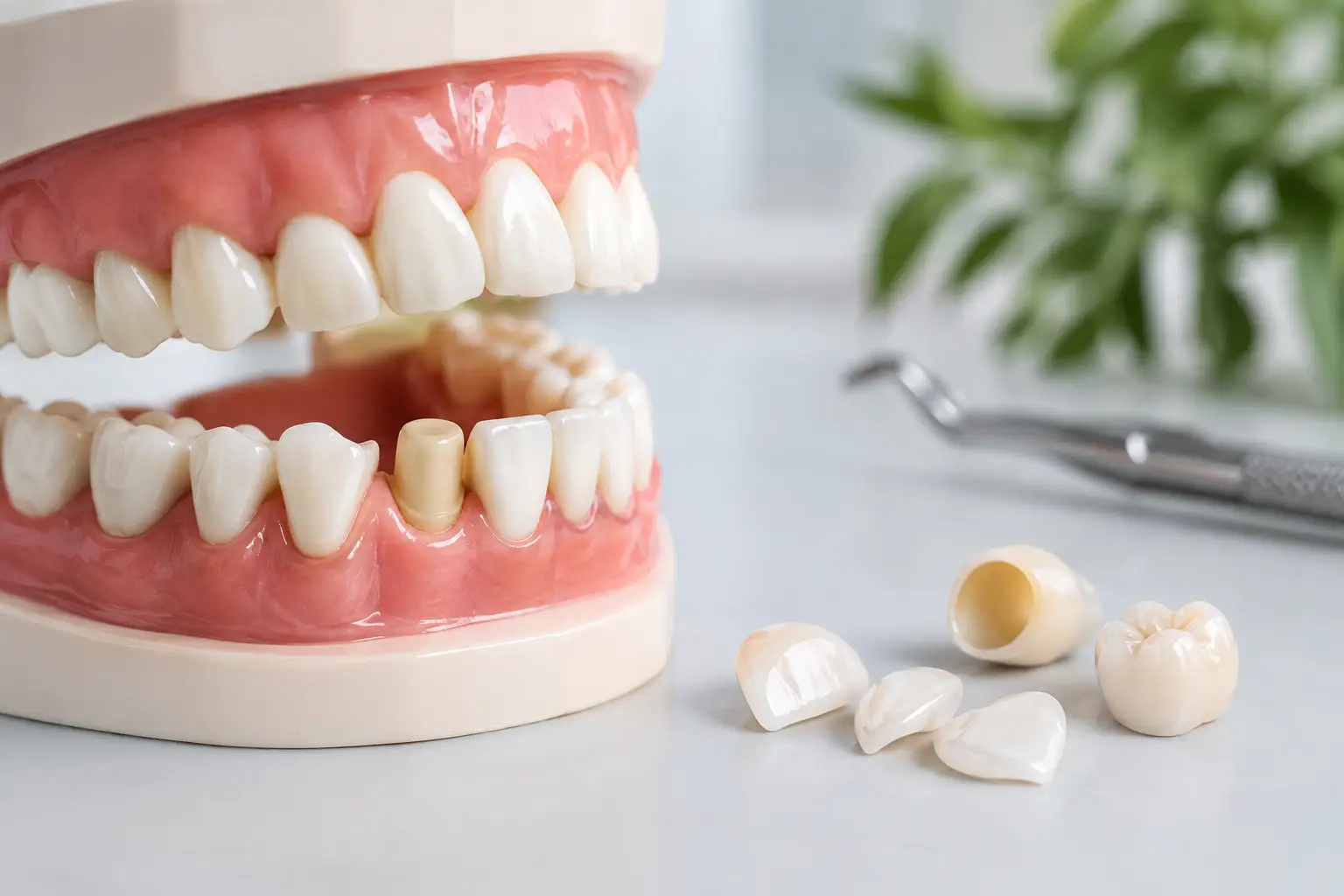
A veneer covers the front surface of a tooth. It is a thin, custom-made shell, usually made from porcelain or a high-quality ceramic, that changes the visible appearance of the tooth. Veneers can improve colour, shape, size, small gaps, and minor chips.
A crown covers the entire tooth above the gumline. Sometimes called a cap, a crown is designed to restore a tooth that has been weakened by decay, a large filling, a crack, significant wear, or root canal treatment. It can improve appearance too, but its first job is to strengthen and protect the tooth.
Put simply, a veneer is usually an aesthetic treatment for a tooth that is still structurally sound. A crown is usually a restorative treatment for a tooth that needs more support. There are exceptions, which is why an in-person examination matters.
When a veneer may be the better choice
Veneers are often considered when the concern is mainly visible from the front and the tooth has enough healthy enamel. They are especially popular for front teeth, where small changes can make a noticeable difference to a smile.
A veneer may be appropriate for a tooth with persistent staining, mild enamel defects, slight unevenness, a small chip, or a narrow gap between teeth. It can also be part of a smile makeover when several front teeth need a more balanced shape or shade.
Because a veneer is thin, it generally requires less tooth reduction than a crown. Your dentist may remove a small amount of enamel so the veneer sits naturally and does not look bulky. In some situations, minimal-prep or no-prep approaches may be possible, but they are not right for every smile. The final result still needs to fit your bite, lip position, and surrounding teeth.
A veneer is not the ideal choice if a tooth has a large fracture, extensive decay, a very large filling, or signs of weakness. Covering a compromised tooth with a veneer may improve its appearance temporarily without addressing the risk of further damage.
What veneers can and cannot correct
Porcelain veneers are highly resistant to staining and can create a lifelike result when colour and translucency are carefully selected. However, they do not prevent gum disease, stop tooth decay, or correct a major bite problem. If clenching, grinding, or crowding is contributing to tooth damage, those concerns should be addressed as part of the treatment plan.
For a small chip or minor shape concern, dental bonding may sometimes be a more conservative and cost-conscious alternative. Bonding can often be completed in one visit, though it may stain or chip more easily than porcelain over time.
When a crown provides better protection
A crown is often recommended when a tooth has lost enough structure that it could crack or break under normal chewing pressure. This is common with back teeth, which absorb much of the force of biting, but front teeth can need crowns as well after trauma or extensive treatment.
Your dentist may discuss a crown if you have a tooth with a large old filling, deep decay, a fractured cusp, severe wear, or a tooth that has had root canal treatment. A crown may also support a dental bridge or be placed over a dental implant to replace a missing tooth.
Modern crowns are not limited to the obvious, metallic look many people remember. Depending on the location of the tooth and your needs, crowns can be made from ceramic, porcelain, zirconia, or other durable materials. The material choice affects appearance, strength, and how the crown works with your bite.
Crown treatment requires more shaping of the tooth than veneer treatment because the restoration must cover all sides. That added preparation is worthwhile when the remaining tooth needs full coverage and reinforcement. Preserving a tooth whenever possible is the priority, but preserving it safely matters just as much.
Appearance, comfort, and function all matter
It is understandable to focus on the cosmetic result, especially for a front tooth. A well-made veneer or crown should blend with nearby teeth in colour, shape, and surface texture. Your dentist will also consider details patients may not immediately notice, such as gum contours, speech, bite contact, and how the restoration looks in different lighting.
Comfort is equally important. A restoration that looks excellent but feels high when you bite can lead to soreness, sensitivity, or extra stress on the tooth. Careful planning and bite adjustments help reduce these risks.
If dental treatment makes you anxious, let the dental team know before your appointment. Gentle techniques, clear explanations, and sedation options where appropriate can make restorative care feel more manageable. You should understand what is being recommended and why before deciding how to proceed.
How long do crowns and veneers last?
Neither crowns nor veneers are considered permanent, but both can last many years with good care. Longevity depends on the material used, the health of the supporting tooth and gums, oral hygiene, diet, and bite forces.
Daily brushing with fluoride toothpaste, cleaning between teeth, and regular hygiene visits protect the edges where the restoration meets the natural tooth. Avoid using teeth to open packages or bite hard objects. If you grind or clench, a custom night guard may help protect both your natural teeth and your dental work.
A veneer or crown can eventually need repair or replacement due to wear, chipping, decay around the edge, gum changes, or changes in your bite. Regular exams allow your dentist to monitor restorations before a small concern becomes a more complex problem.
Cost and insurance considerations in Scarborough
The cost of a crown or veneer varies with the tooth involved, the material selected, the amount of preparation required, and whether additional treatment is needed first. For example, a tooth with decay, gum inflammation, or a failing filling may need restorative or periodontal care before a final crown or veneer is placed.
Veneers are commonly considered cosmetic, so coverage may be limited or unavailable under many dental insurance plans. Crowns may receive partial coverage when they are clinically necessary, although plans differ widely in annual maximums, waiting periods, and eligible materials. Coverage through the Canadian Dental Care Plan may also depend on the specific treatment and your eligibility.
A clear treatment discussion should include the recommended option, reasonable alternatives, expected fees, and any known coverage information. Choosing based on price alone can be tempting, but the less expensive option is not always the more conservative or longer-lasting choice for a weakened tooth.
What happens at your consultation
A proper recommendation begins with a close examination. Your dentist may take digital X-rays, photographs, or scans and assess the tooth, surrounding gums, existing restorations, and bite. You will have a chance to talk about your concerns, whether that is discomfort, appearance, durability, or all three.
Sometimes the answer is straightforward: a healthy but discoloured front tooth may be a good candidate for a veneer, while a badly fractured molar may need a crown. Other situations require more planning. Orthodontic treatment, whitening, gum treatment, bonding, or replacing an old filling may be part of the best path forward.
The right restoration should feel like a thoughtful fit for your tooth, your smile, and your daily life. If you are deciding between a crown and a veneer, a personalized assessment can replace uncertainty with a plan that protects your teeth and lets you smile comfortably.