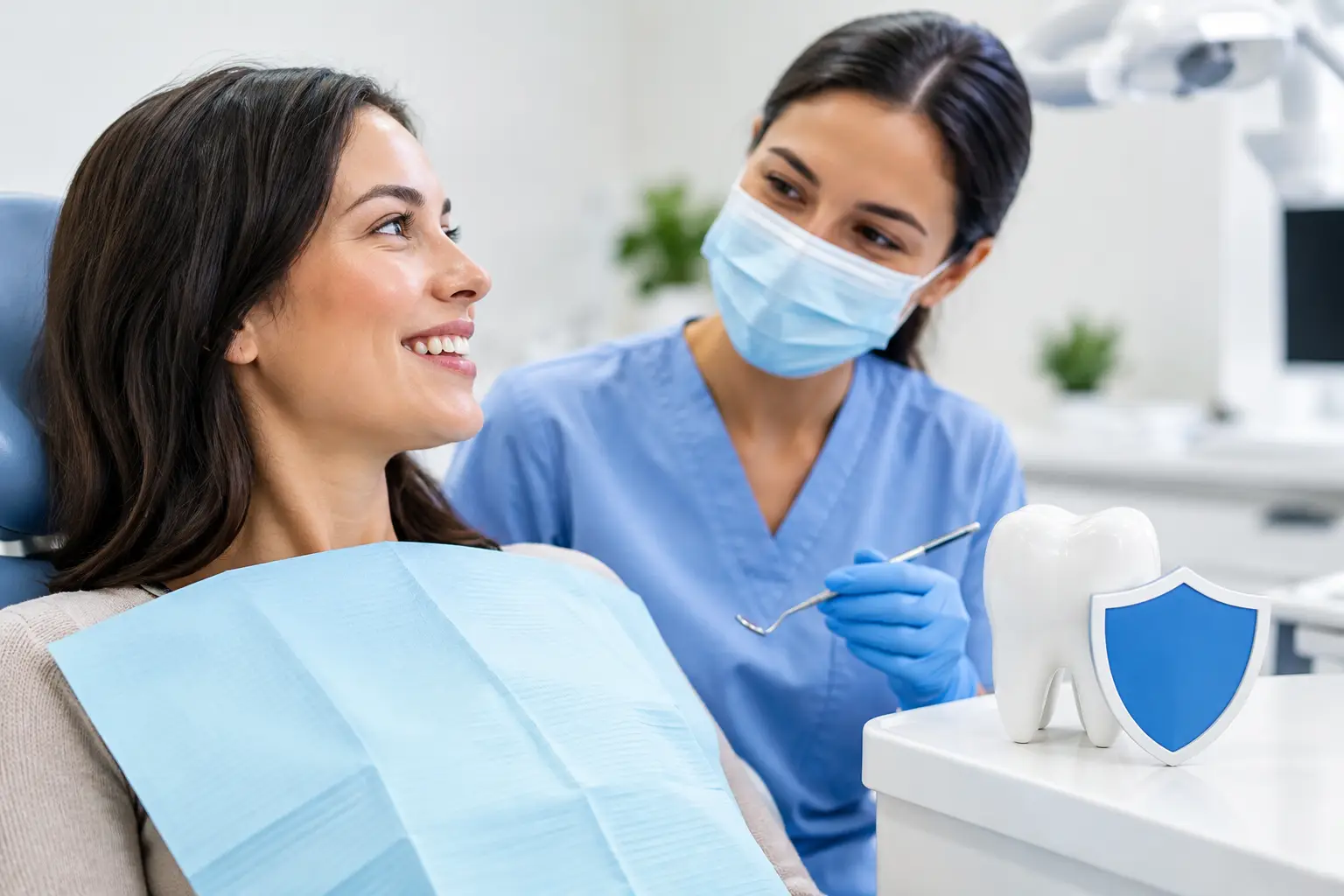
A missing tooth can affect more than the space you see when you smile. Over time, the jawbone beneath that tooth can lose volume because it is no longer receiving the stimulation that comes from chewing. For patients considering a dental bone graft Scarborough treatment providers may recommend, the goal is often straightforward: rebuild enough healthy bone to support a future implant, preserve facial structure, or strengthen an area affected by gum disease or tooth loss.
Bone grafting may sound intimidating, especially when you are already managing a damaged or missing tooth. With a careful assessment, gentle technique, and a treatment plan explained in plain language, it is a common part of modern restorative dentistry. The right approach depends on your oral health, the amount and location of bone loss, and what you hope to achieve.
What Is a Dental Bone Graft?
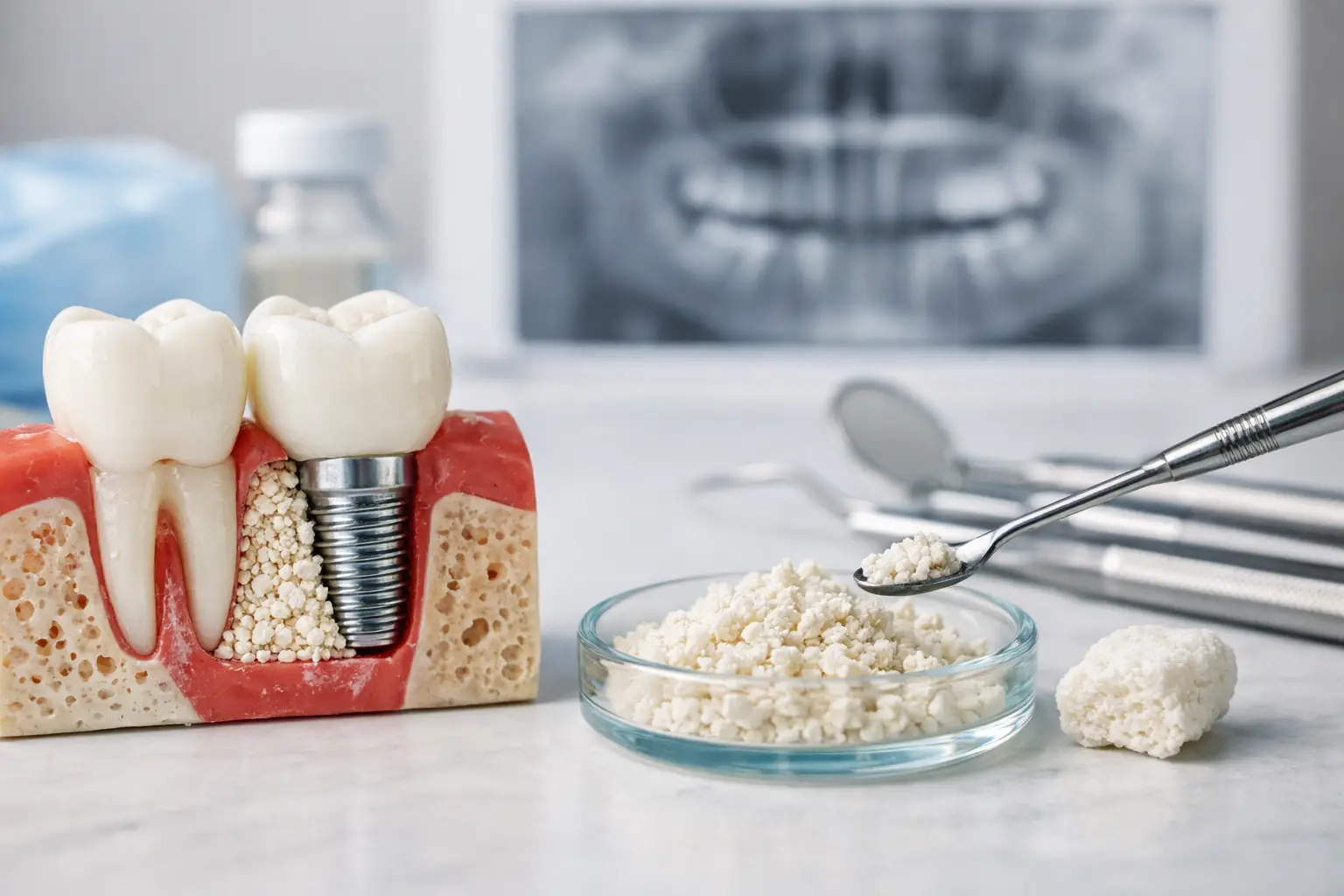
A dental bone graft is a procedure that adds grafting material to an area of the jaw where bone has been lost or is too thin to reliably support treatment. The material acts as a framework that encourages your body to build new bone over time. Depending on your needs, the graft may come from your own bone, a donated human source, an animal-derived source, or a synthetic material designed for this purpose.
The aim is not simply to fill a space. Your dentist is working to create a stable foundation for the tooth replacement or surgical treatment that follows. In many cases, this means preparing the area for a dental implant. In others, grafting helps preserve the jawbone after an extraction or supports areas affected by periodontal disease.
When Might You Need a Dental Bone Graft in Scarborough?
Not every patient who has lost a tooth needs grafting. Some people have enough healthy bone for an implant immediately, while others need a short healing period first. A clinical examination and dental imaging help determine whether the bone has adequate height, width, and density.
A bone graft may be recommended after a tooth has been missing for a long time. Bone loss can also occur following an infection, traumatic injury, advanced gum disease, or the removal of a tooth with significant damage around its root. For an upper back tooth, the sinus cavity can sometimes limit the available bone height, which may call for a more specialized grafting approach.
Grafting can also be done at the time of an extraction. This is often called socket preservation. Placing graft material in the extraction socket can reduce the amount of bone shrinkage that naturally occurs during healing. It does not mean that an implant is required, but it can keep more options open if you decide to replace the tooth later.
Why Bone Matters for Dental Implants
A dental implant is placed directly into the jawbone, where it is intended to function like a tooth root. For that connection to develop properly, the implant needs a stable amount of supporting bone. If the bone is too narrow or weak, placing an implant without grafting may compromise its long-term stability or affect the final appearance of the restoration.
This is particularly relevant for teeth near the front of the mouth, where the gumline and facial profile are more visible. Rebuilding the foundation may help the final crown look more natural and support the surrounding gum tissue. In the back of the mouth, sufficient bone helps an implant handle everyday chewing forces.
There is a trade-off to consider. Bone grafting can add time and cost to an implant plan, since the graft may need several months to heal before the implant is placed. However, proceeding without enough support can create avoidable risks. Your dentist should explain whether grafting is essential, helpful but optional, or unnecessary in your particular case.
What Happens During the Procedure?
Your visit begins with a review of your health history, medications, dental images, and treatment goals. Conditions such as uncontrolled diabetes, active gum disease, smoking or vaping, and certain medications can affect healing. These factors do not automatically rule out treatment, but they may change the timing or type of care recommended.
For the procedure itself, the area is numbed with local anesthetic. If dental anxiety has kept you from seeking care, ask about available comfort measures and sedation options. Feeling informed and comfortable matters, particularly when treatment involves oral surgery.
Your dentist prepares the area, places the graft material, and may cover it with a protective membrane before closing the site with sutures. The details vary widely. A small socket-preservation graft after an extraction is generally less involved than rebuilding a larger area for an implant. You will receive specific aftercare instructions based on the procedure you have had.
Healing After a Dental Bone Graft
Most patients can return home the same day. Mild swelling, tenderness, and minor bruising are possible in the first few days. Your dentist may recommend pain medication, a soft-food diet, and gentle cleaning around the surgical area while it heals.
Avoid disturbing the site. Do not rinse forcefully, use a straw, smoke, or vape during the period your dental team advises. These actions can interfere with normal healing. If graft material was placed near the upper sinus, you may also be asked to avoid blowing your nose or creating pressure in that area.
The surface tissues usually begin to feel better sooner than the graft itself becomes fully integrated. Bone formation takes time. Some patients can move forward with implant placement after a few months, while more extensive grafting may require a longer healing period. Follow-up visits allow your dentist to assess progress rather than relying on a one-size-fits-all timeline.
Contact your dental office if you have increasing pain after the first few days, persistent bleeding, fever, unusual swelling, or any concern that feels outside the instructions you were given. Prompt advice can make recovery less stressful.
Planning Your Treatment Around Comfort and Budget
The cost of a bone graft is influenced by the size and complexity of the site, the grafting materials used, whether it is completed with an extraction or implant procedure, and any required imaging or sedation. A personalized estimate is more useful than a broad online price range because the clinical needs can differ significantly from one patient to another.
Insurance coverage also varies. Some plans may cover a portion of grafting when it is considered medically necessary, while others may limit coverage for procedures connected to implants. If you are eligible for the Canadian Dental Care Plan, your dental team can help you understand how coverage may apply and whether there could be out-of-pocket costs. Direct insurance billing, where available, can make the administrative side easier to manage.
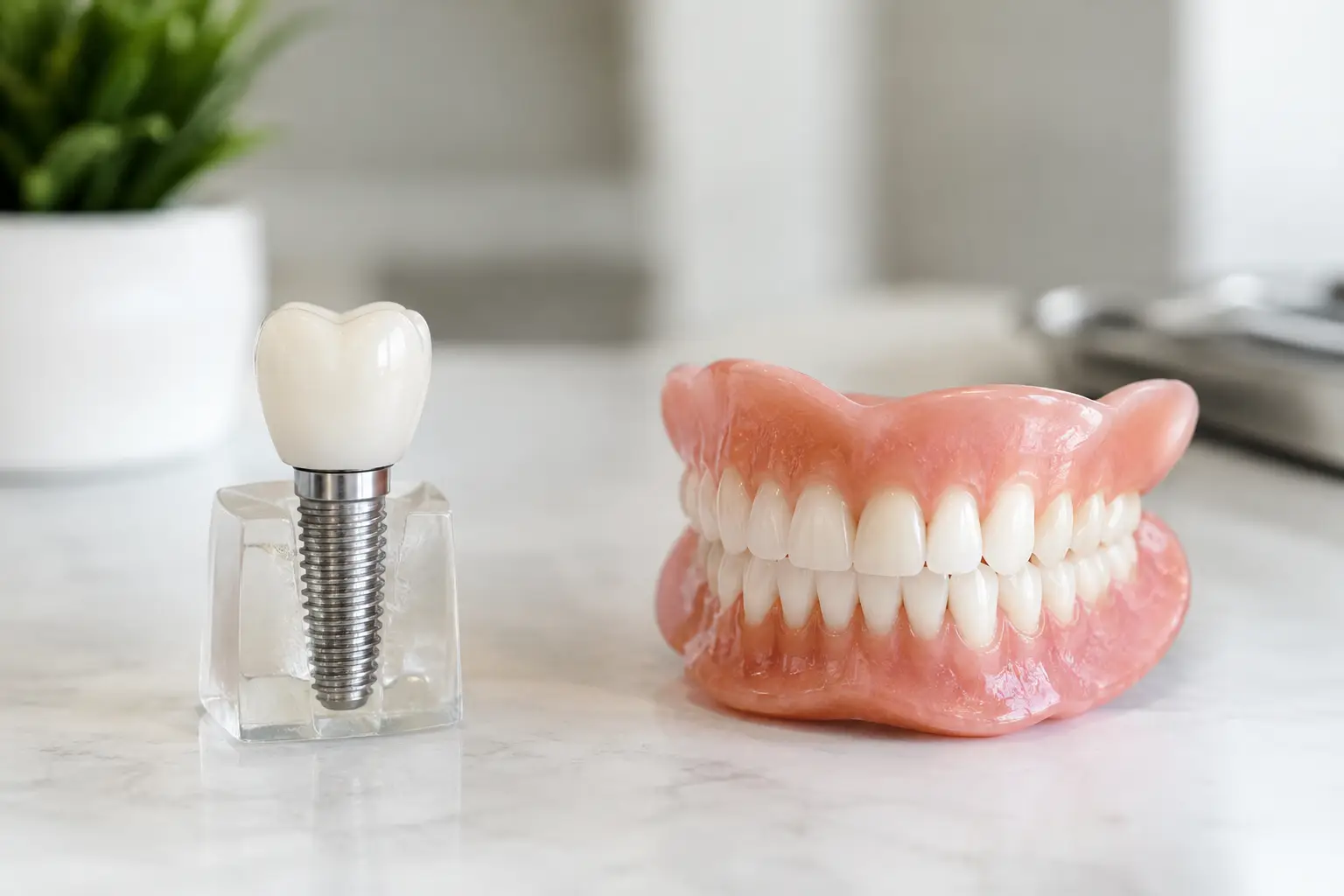
At Bright Smile Dental Clinic, treatment planning is built around clear explanations and realistic options. If there is more than one appropriate path, such as a bridge, denture, or implant-supported replacement after grafting, you deserve to understand the benefits, limitations, expected maintenance, and costs of each choice.
Common Questions About Bone Grafting
Is a dental bone graft painful?
The procedure is performed with local anesthetic, so you should not feel pain during treatment. Soreness after the procedure is expected, but it is usually manageable with the aftercare plan provided. Sedation may be an option for patients with significant anxiety or more involved treatment needs.
Can I have an implant placed at the same time as a graft?
Sometimes. If there is enough existing bone to stabilize the implant, your dentist may recommend placing both during the same appointment. If the bone loss is more extensive, allowing the graft to heal first may be the safer choice.
How long does a bone graft last?
Once new bone has formed and the area has healed, the result can provide lasting support for an implant or help maintain the shape of the jaw. Long-term success still depends on regular dental care, healthy gums, good home hygiene, and avoiding habits that can affect healing and bone health.
A bone graft is not a setback in your dental plan. It can be the step that makes a stable, comfortable tooth replacement possible. If you are missing a tooth, facing an extraction, or have been told you may not have enough bone for an implant, a focused assessment can give you a clear path forward and time to choose the care that feels right for you.