A tooth can be painful long before it is visibly broken. You may notice discomfort when chewing, sensitivity to hot or cold foods, or a filling that keeps chipping at the edges. For patients considering dental crowns Scarborough treatment can offer a practical way to protect a weakened tooth while restoring a natural-looking smile.
A crown is not the right answer for every dental concern. Sometimes a new filling, bonding, or other conservative treatment is enough. When a tooth needs more support, however, a carefully planned crown can help you eat, speak, and smile with greater comfort and confidence.
What a dental crown does
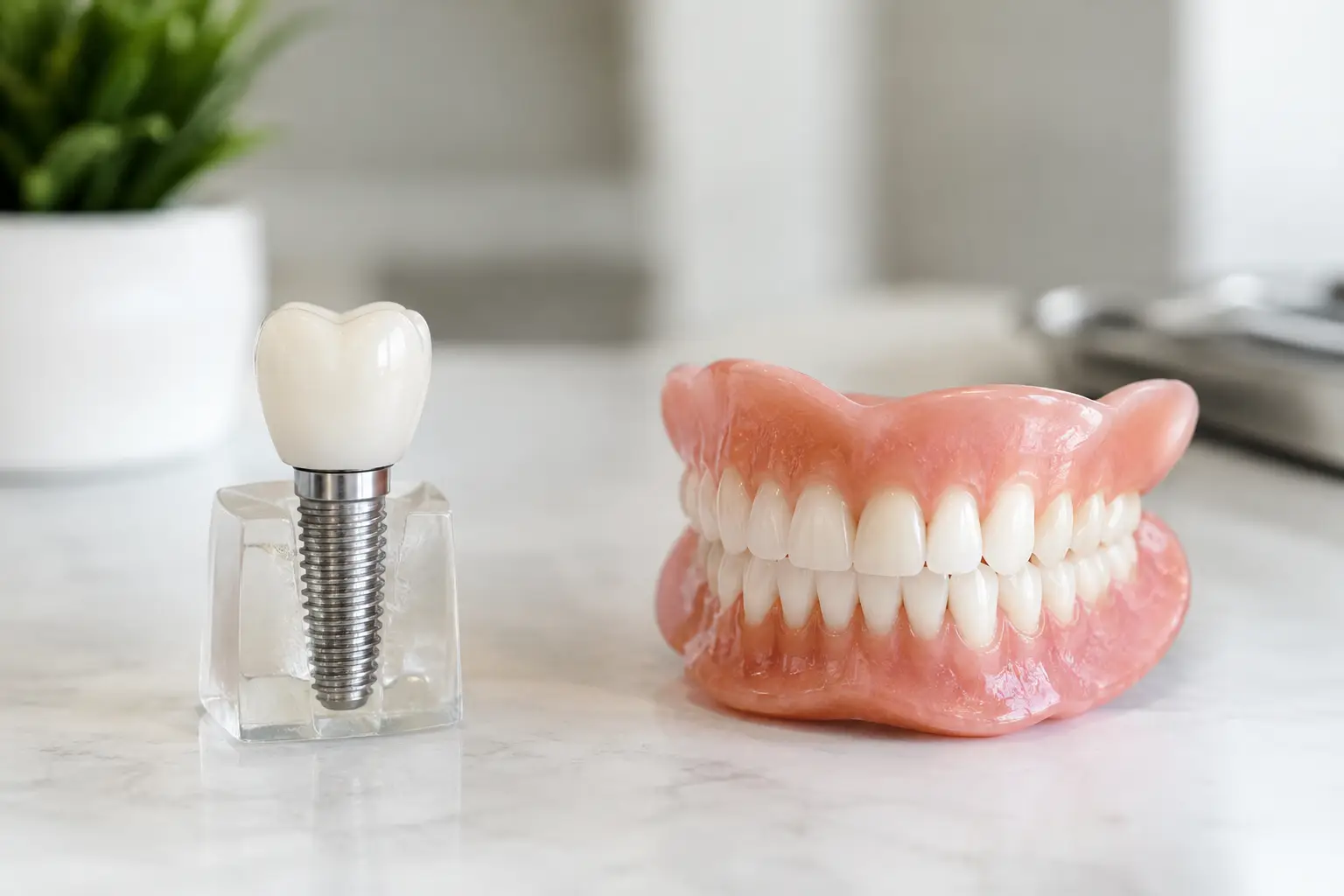
A dental crown is a custom-made covering that fits over the visible part of a tooth. It is shaped and shaded to blend with your surrounding teeth, while giving the remaining tooth structure added protection.
Crowns are commonly used after a large cavity, a fracture, or root canal treatment has left a tooth more vulnerable to breaking. They can also support a tooth that has an old, failing restoration or improve the appearance of a tooth that is severely worn, misshapen, or discoloured.
The goal is not simply to make a tooth look better. A well-fitting crown helps distribute biting forces more evenly. That can reduce the risk of further damage and make everyday activities, such as eating a sandwich or enjoying a hot drink, more comfortable.
When Scarborough patients may need dental crowns
Your dentist will examine the tooth, surrounding gums, bite, and X-rays before recommending a crown. The amount of healthy tooth remaining matters. If a small area is damaged, a filling may preserve more natural tooth structure. If a tooth has lost substantial structure, a filling alone may not be strong enough for long-term function.
A crown may be recommended when a tooth is cracked, especially if the crack causes pain when you release your bite. It may also be appropriate when a large filling has weakened the tooth walls, when a tooth has undergone root canal treatment, or when a worn tooth needs its height and shape restored.
Crowns can also be part of a larger restorative plan. For example, a crown may be placed over a dental implant to replace a missing tooth. It can also serve as an anchor for a bridge, depending on your specific needs and the condition of nearby teeth.
There are trade-offs to consider. Preparing a tooth for a crown requires removing a small amount of enamel so the restoration can fit properly. That is why a patient-centred recommendation should explain why a crown is being suggested, what alternatives exist, and what may happen if treatment is delayed.
What to expect from a crown appointment
The process starts with a conversation. Your dental team should ask about symptoms, health history, treatment goals, and any past dental anxiety. If the tooth is painful or infected, other treatment may be needed before the final crown is placed.
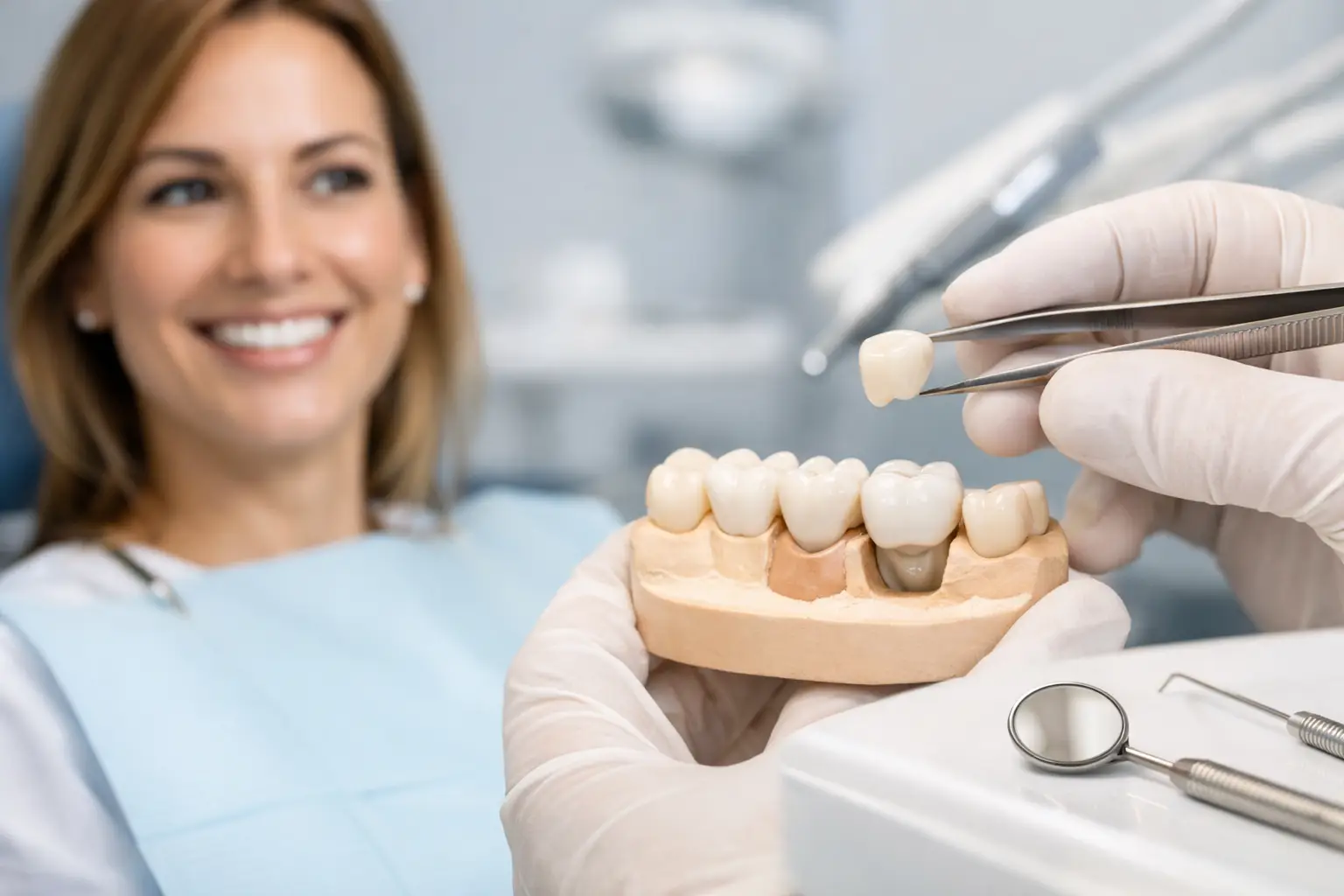
At the preparation appointment, the area is gently numbed. The dentist reshapes the tooth to create room for the crown, then captures detailed impressions or digital scans. These records guide the dental laboratory in creating a restoration that fits your bite and complements your smile.
A temporary crown is often placed while the permanent crown is being made. It protects the prepared tooth, but it is not as strong as the final restoration. Avoid chewing sticky foods, hard candies, ice, or other foods that could loosen or damage it. If your temporary crown comes off, contact the clinic rather than trying to permanently reattach it yourself.
At the fitting appointment, the permanent crown is checked for fit, colour, comfort, and bite. Small adjustments may be made before it is cemented in place. Your bite is especially important: a crown that feels too high can make chewing uncomfortable and place excess pressure on the tooth or jaw.
For patients who feel nervous about dental treatment, comfort should be addressed before the appointment begins. Gentle techniques, clear explanations, breaks when needed, and sedation options for eligible patients can make restorative care feel more manageable. Bright Smile Dental Clinic takes the time to tailor care to the person in the chair, not just the tooth being treated.
Choosing the right crown material
Dental crowns are available in several materials, and the best choice depends on where the tooth is located, how you bite, and your aesthetic priorities. Tooth-coloured ceramic crowns are often selected for visible front teeth because they can closely match natural enamel. Stronger ceramic options may also work well in many back-tooth situations.
Porcelain fused to metal crowns have been used successfully for many years and can offer strength, although a darker edge may sometimes become visible near the gumline over time. Metal or gold-based crowns can be very durable for back teeth, but their appearance is usually less appealing for patients who want a tooth-coloured restoration.
There is no one material that suits every patient. If you grind or clench your teeth, have a heavy bite, or are restoring a tooth near the front of your smile, those details can influence the recommendation. Your dentist can explain the expected appearance, durability, and cost considerations of each suitable option.
Caring for a crown after treatment
A crown does not decay, but the natural tooth underneath and the gumline around it still need daily care. Brush twice daily with fluoride toothpaste, clean between teeth every day, and keep regular hygiene appointments. Plaque that collects where the crown meets the tooth can contribute to decay or gum inflammation.
Try not to use crowned teeth as tools for opening packages or biting nails. If you regularly clench or grind, a custom night guard may help protect both your crown and your natural teeth from excess force.
Call your dental office if you notice persistent sensitivity, pain when biting, a loose crown, swelling, or a rough or chipped edge. Some mild sensitivity can occur after treatment, but worsening pain should be assessed rather than ignored.
Common questions about dental crowns in Scarborough
How long does a dental crown last?
With good home care and regular dental visits, many crowns last for years. Their lifespan depends on the material, the health of the supporting tooth and gums, your bite, and habits such as grinding, chewing ice, or smoking. A crown may eventually need repair or replacement, particularly if the tooth beneath it develops decay.
Is getting a crown painful?
The tooth is numbed during preparation, so you should not feel pain. You may feel pressure or vibration while the tooth is shaped. Some people experience mild tenderness or temperature sensitivity afterward, which typically improves. Let your dental team know if you are anxious, have a strong gag reflex, or have had difficulty getting numb in the past.
Does insurance or the Canadian Dental Care Plan cover crowns?
Coverage varies by plan, eligibility, frequency limits, and the clinical reason for treatment. Before beginning care, ask for a clear treatment estimate and help reviewing your available coverage. Direct insurance billing can simplify the process, but patients should still understand any portion they may be responsible for paying.
A crown is an investment in a tooth worth keeping. If a tooth is cracked, heavily filled, sensitive, or difficult to chew on, arranging an examination early can give you more choices and help prevent a small concern from becoming an urgent one.