A toothbrush can make your mouth feel clean in two minutes, but good dental hygiene does much more than freshen your breath. It removes the bacterial plaque that can lead to cavities, gum inflammation, bad breath, and, over time, more complex dental treatment. The small choices you make each day, paired with regular professional care, help protect your comfort, confidence, and ability to eat and speak easily.
For many people, the challenge is not knowing that brushing matters. It is knowing what a realistic routine should look like, whether bleeding gums are a concern, and when a cleaning is no longer enough to manage a problem at home. The answers depend on your oral health history, medications, diet, and habits, but a few reliable principles apply to almost everyone.
What Good Dental Hygiene Looks Like at Home
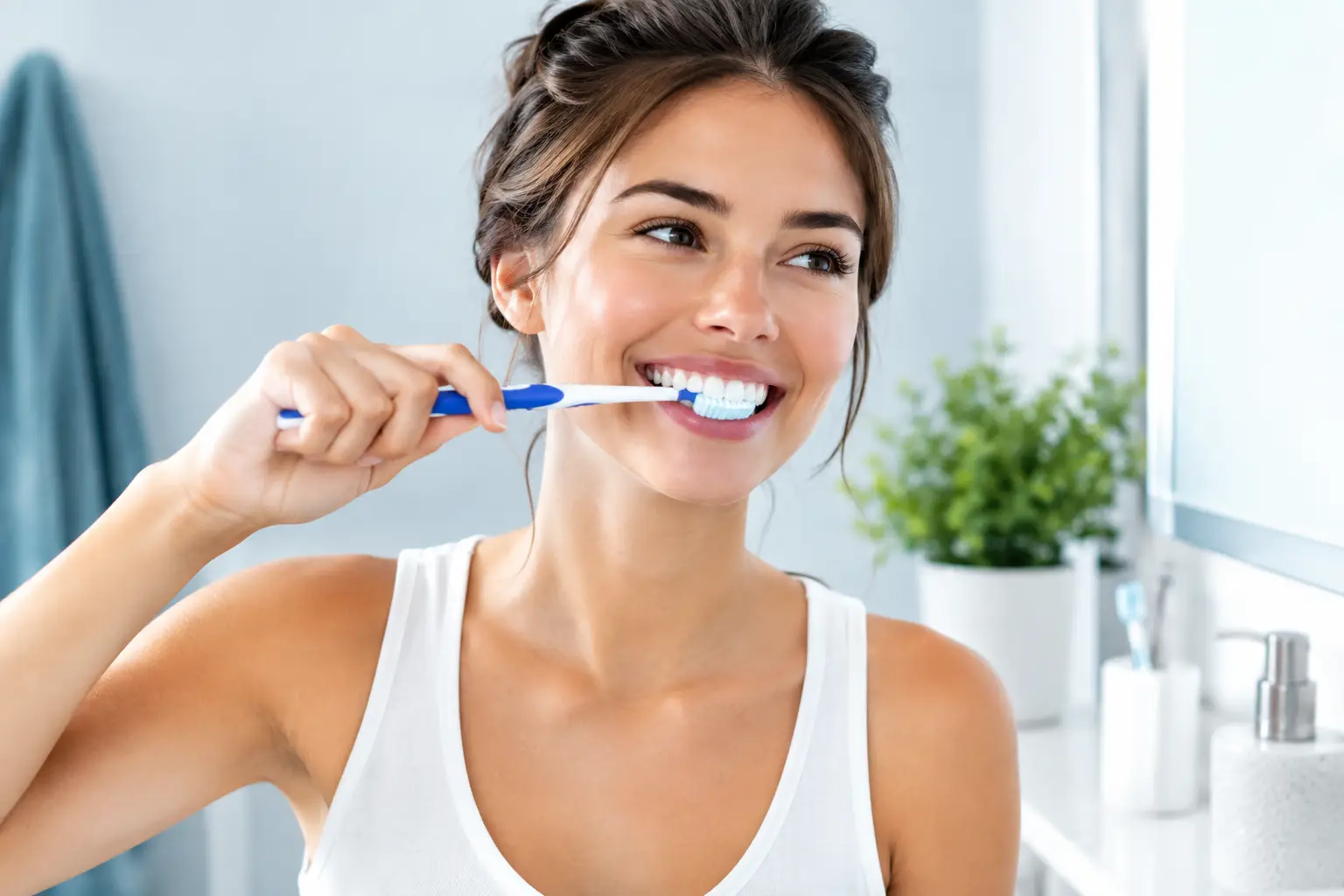
A consistent routine is more valuable than an occasional extra-long brushing session. Brush twice a day for about two minutes with a soft-bristled toothbrush and fluoride toothpaste. Hold the brush gently at the gumline and use small, controlled movements. Scrubbing hard can irritate the gums and wear away tooth structure, particularly near the roots.
Cleaning between your teeth once a day is just as meaningful. Your toothbrush cannot fully reach the tight spaces where plaque collects. Floss works well for many people, while interdental brushes, water flossers, or other tools may be more practical for bridges, braces, implants, or wider spaces between teeth. The best option is the one you can use carefully and consistently.
Fluoride toothpaste helps strengthen enamel and reduce the risk of decay. After brushing, spit out the excess toothpaste rather than rinsing thoroughly with water. This leaves a small amount of fluoride on the teeth. If you use mouthwash, choose one based on your needs and use it at a different time from brushing when possible, so it does not wash away the fluoride toothpaste right away.
Your daily routine also includes what happens between meals. Frequent sipping on sweetened coffee, pop, juice, sports drinks, or flavoured beverages gives bacteria repeated fuel to produce acid. You do not need a perfect diet to care for your teeth, but limiting how often sugary or acidic drinks contact your teeth can make a real difference. Water is the most tooth-friendly choice for regular hydration.
A note about bleeding gums
Healthy gums should not routinely bleed when you brush or floss. A small amount of bleeding may occur when someone starts flossing again after a long break, because inflamed gum tissue is sensitive. Continue gentle daily cleaning for a short period, but do not ignore bleeding that persists, worsens, or comes with swelling, tenderness, bad breath, or gum recession.
These can be signs of gum disease. Early gum inflammation is often reversible with professional cleaning and improved home care. More advanced periodontal disease can damage the bone supporting the teeth, sometimes with very little pain. Early assessment gives you more options for protecting your smile.
Why Professional Dental Hygiene Visits Matter
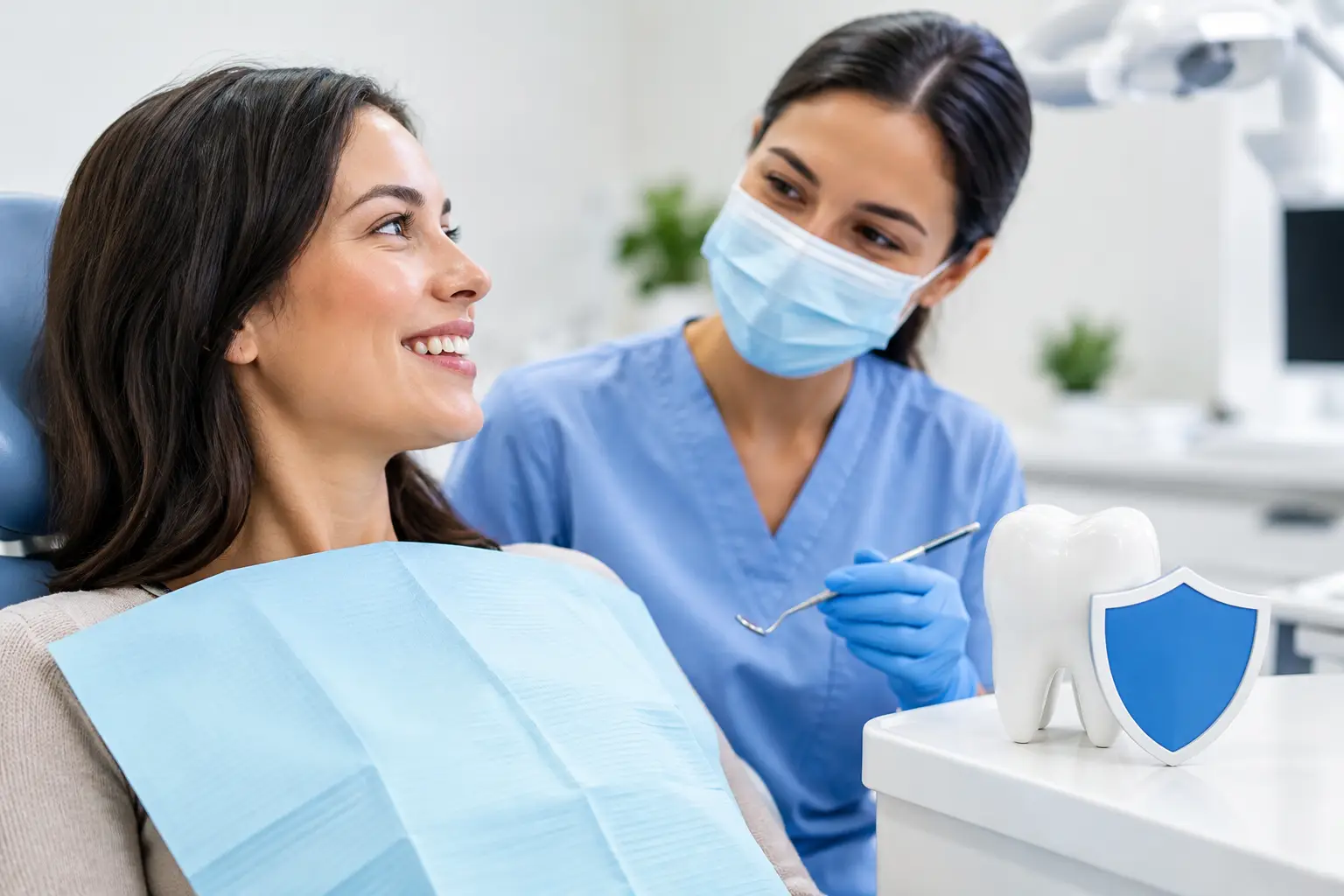
Even an excellent home routine cannot remove hardened plaque, called tartar or calculus. Once tartar forms, it needs to be removed professionally. A hygiene appointment also gives your dental team the chance to look for changes that may not be easy to spot at home, including early cavities, worn fillings, gum recession, signs of clenching, or changes to the soft tissues of the mouth.
The right cleaning schedule is personal. Some patients may do well with a routine visit every six months, while others need more frequent periodontal maintenance because of gum disease history, dry mouth, smoking, diabetes, pregnancy-related gum changes, orthodontic appliances, or a tendency to build tartar quickly. A recommendation for more frequent care is not about selling unnecessary appointments. It is about managing the level of risk in your mouth before a small concern becomes harder and more expensive to treat.
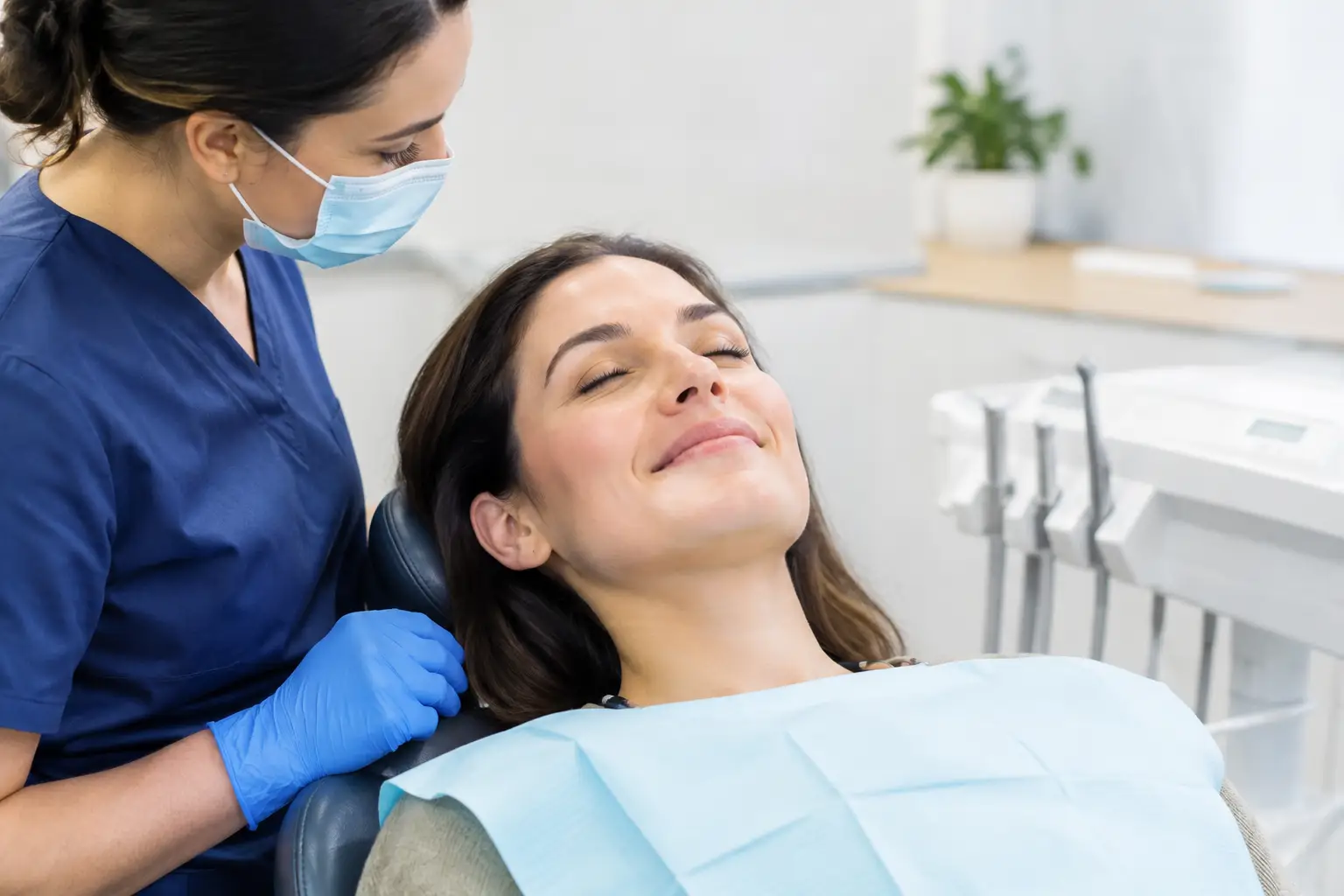
Professional cleanings are designed to be thorough, but they should also be comfortable. If dental visits make you anxious, tell the team before treatment begins. Gentle techniques, breaks when needed, and clear explanations can make a significant difference. For patients with deeper cleaning needs or strong dental anxiety, a personalized comfort plan may include additional options to help them feel more at ease.
Dental Hygiene Changes Through Different Stages of Life
Families often share bathrooms, schedules, and toothpaste, but dental needs are not identical. Children need support learning to brush effectively and developing a positive relationship with care. Parents can help by supervising brushing until a child has the coordination to clean thoroughly on their own, often around the time they can comfortably tie their shoes.
Teens may need extra attention around sports drinks, snacking, braces, and wisdom tooth concerns. Braces create more surfaces for plaque to collect, so orthodontic patients often benefit from tools such as interdental brushes and extra time around brackets and wires.
Adults can face challenges that are easy to overlook: stress-related grinding, coffee staining, dry mouth from medications, gum changes during pregnancy, or postponed care due to busy work and family schedules. A tooth that is not painful can still have a cavity, crack, or gum issue developing beneath the surface. Regular examinations help identify these concerns while treatment is usually simpler.
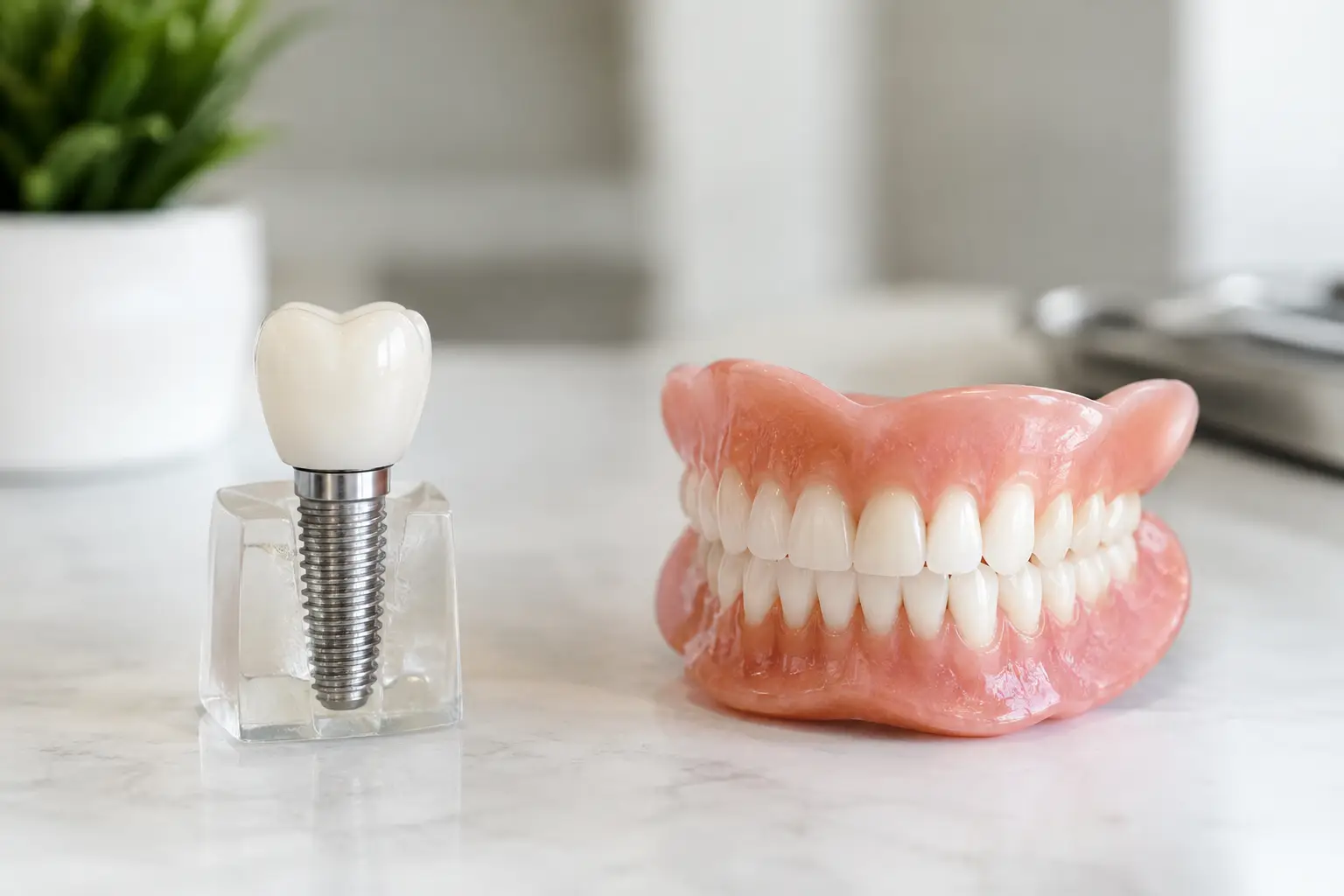
For seniors, dry mouth, reduced hand mobility, dentures, implants, crowns, and multiple medications can all affect daily care. Dentures require cleaning every day and should be removed overnight unless your dentist advises otherwise. Dental implants cannot get cavities, but the gums and bone around them still need careful cleaning to prevent infection. Natural teeth, restorations, and implants all benefit from ongoing professional monitoring.
When to Book a Dental Appointment Sooner
Routine visits are preventive, but you should not wait for your next scheduled appointment if something feels different. Dental concerns are often easier to manage when addressed early. Contact a dental team if you notice ongoing tooth sensitivity, pain when biting, a chipped or broken tooth, a loose filling or crown, bleeding gums, persistent bad breath, swelling, mouth sores that do not heal, or changes in how your teeth fit together.
A sudden toothache may be the most obvious warning sign, but many dental problems do not begin with severe pain. Gum disease can progress quietly, and small cavities can grow before they become sensitive. A prompt assessment can clarify whether you need a simple adjustment to your hygiene routine, a cleaning, gum treatment, or restorative care such as a filling or crown.
If cost or insurance coverage has made it difficult to book care, raise that concern at the start of the conversation. Clear treatment planning includes discussing priorities, timing, and available coverage. Bright Smile Dental Clinic can also help eligible patients understand how the Canadian Dental Care Plan may apply to recommended services.
Making Your Routine Easier to Keep
The most effective routine is one that fits into real life. Keep floss or interdental brushes where you will see them, such as beside your toothbrush or in a travel bag. If you tend to rush at night, brush before you become too tired rather than waiting until the last possible minute. An electric toothbrush can be helpful for people who struggle with technique or hand mobility, but a manual soft-bristled brush can work very well when used carefully.
Avoid using a toothpick, fingernail, or sharp object to remove food trapped between teeth. These can injure the gums or damage restorations. If food catches repeatedly in one location, mention it at your next visit. It may be related to the shape of a filling, a cavity, gum recession, or the way teeth contact each other.
Good dental hygiene is not about chasing a flawless routine. It is about giving your teeth and gums steady, thoughtful care and asking for help when something changes. A few dependable minutes each day, supported by professional visits tailored to your needs, can help keep your smile comfortable for years to come.