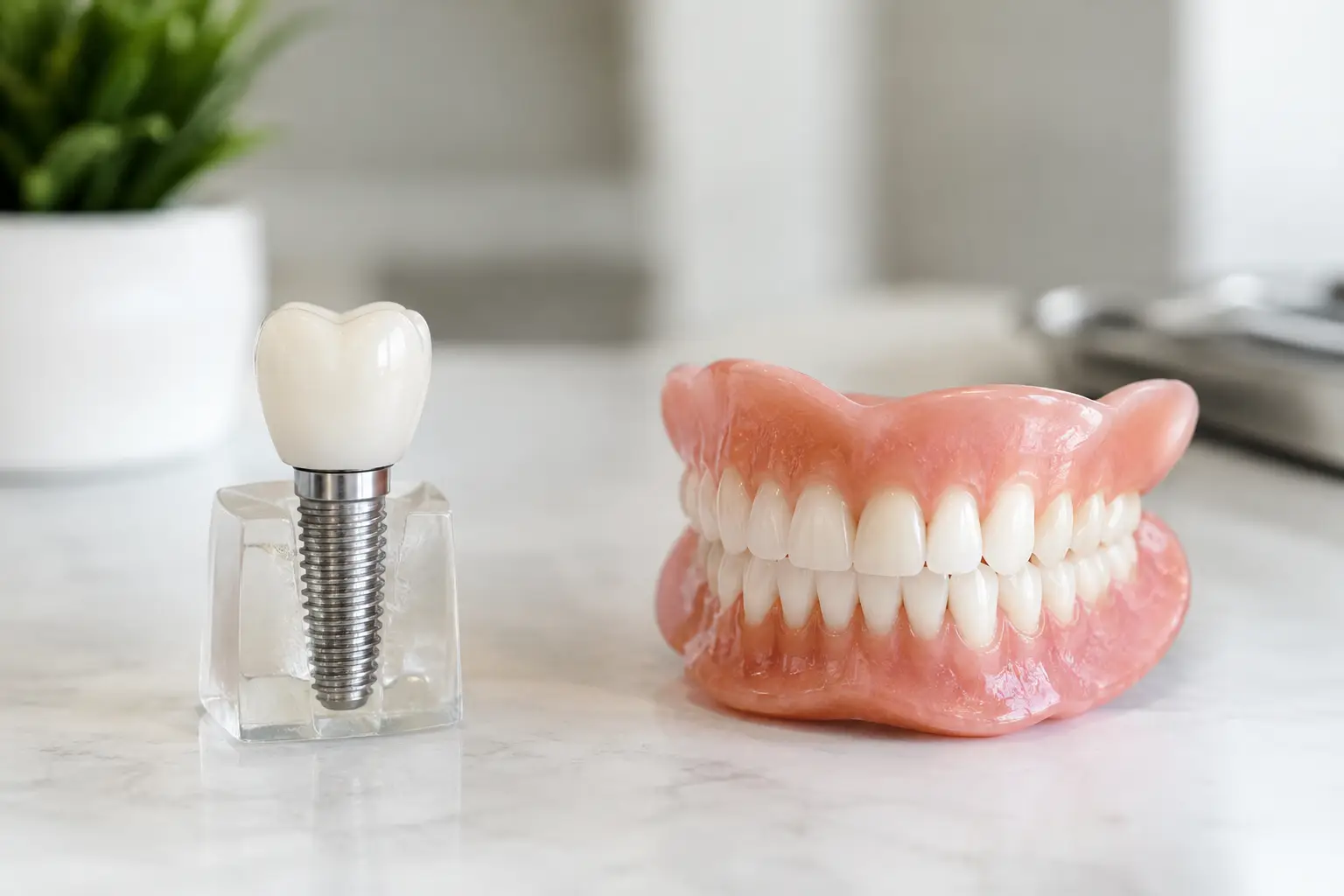
A dental plan can make care more affordable, but it does not always tell you what you will personally pay. This dental insurance guide is designed to help Scarborough and GTA patients understand the terms on their plan, avoid unexpected balances, and make treatment decisions with greater confidence.
Dental insurance is best viewed as financial support for your oral health, not as a complete treatment plan. Coverage can help with preventive appointments and necessary procedures, but every plan has its own limits, percentages, waiting periods, and rules. A clear conversation with your dental team before treatment starts can make a meaningful difference.
How Dental Insurance Usually Works
Most employer-sponsored and private dental plans group treatment into categories. Preventive care may include examinations, hygiene cleanings, X-rays, and fluoride treatments. Basic services often include fillings, extractions, and gum treatment. Major services can include crowns, bridges, dentures, and sometimes surgical procedures. Orthodontic care, such as Invisalign, may have a separate lifetime allowance or may not be included at all.
Your insurer typically pays a percentage of an eligible fee, while you pay the remaining portion. For example, a plan that covers 80 percent of a basic service does not necessarily mean it pays 80 percent of the amount your dentist charges. Insurers often use their own fee guide, which may differ from the current Ontario Dental Association fee guide used by your clinic.
That difference is one reason a balance can remain even when a procedure is listed as covered. The balance may also reflect a deductible, an annual maximum that has already been used, a frequency limit, or a service your plan considers non-eligible.
The Dental Insurance Terms Worth Knowing
Insurance documents can feel unnecessarily complicated. A few terms appear often and have a direct effect on what you pay.
An annual maximum is the most your insurance company will pay during a benefit year, usually per person. Once you reach that amount, you are responsible for additional treatment costs until your benefits reset. A maximum is not the same as the value of care you need. For patients planning crowns, implants, dentures, or extensive gum treatment, it can be helpful to plan treatment in phases when clinically appropriate.
A deductible is the amount you must pay before certain benefits begin. Some plans apply it once per person, while others apply it to the whole family. Not every plan has one, but it is worth checking.
A co-payment or patient portion is the amount left after insurance has paid its share. If a service is covered at 50 percent, the patient portion can be significant, especially for major restorative care.
A frequency limit controls how often a plan will contribute to a service. Your plan may cover a hygiene appointment every six, nine, or 12 months, for instance. Your dentist may recommend a different schedule based on your gum health, cavity risk, or medical history. The clinically appropriate schedule and the insurer’s payment schedule are not always identical.
A waiting period means a newer policy may not cover certain services immediately. This is more common with major treatment and orthodontics than with examinations and cleanings.
Coverage Is Not a Recommendation for Care
A common source of frustration is assuming that insurance determines what treatment is necessary. It does not. Insurance plans are contracts designed around benefit rules, and those rules may not reflect your specific oral-health needs.
For example, a tooth with a large fracture may need a crown to restore its strength and function, even if your plan pays only part of it. A patient with gum disease may benefit from more frequent periodontal maintenance, even when the plan limits routine cleanings. A missing tooth may be replaced with an implant, bridge, or denture depending on your health, goals, bone support, timeline, and budget – not simply on the option with the highest reimbursement.
Your dentist’s role is to explain the condition, the available treatment options, the expected outcomes, and the risks of delaying care. Your insurance coverage is then one practical part of the decision. At a patient-centred clinic, you should feel comfortable asking why a treatment is recommended and what alternatives may be suitable for your situation.
What to Check Before Your Appointment
Before booking a new-patient examination or moving ahead with treatment, review your benefit booklet or insurer portal if you have access to it. Confirm the policyholder’s name, member ID, group number, benefit year, and whether your plan is active. If you are covered through a spouse or parent, make sure you have the correct details.
It is also helpful to check whether your plan follows the current provincial fee guide or an older fee guide. Plans that use an older guide can leave a larger patient portion, even when they advertise 100 percent preventive coverage.
For treatment beyond a routine visit, ask whether the procedure has a coverage percentage, a waiting period, a frequency restriction, or a remaining annual maximum. If your family has coordinated benefits through two plans, ask how coordination works. In many cases, one plan is billed first and the second plan may help with some or all of the remaining eligible balance. The order of billing follows insurer rules, not the preference of the patient or clinic.
Direct Billing Makes Payment Clearer, Not Guaranteed
Many patients appreciate direct insurance billing because it reduces paperwork and can allow the insurer to pay its estimated share directly to the clinic. You then pay the remaining balance at your appointment.
However, direct billing is not a guarantee of final payment. An insurer may later adjust a claim, request additional information, apply a limit, or deny a portion that was initially estimated as eligible. The policyholder remains responsible for any balance not paid by the plan.
At Bright Smile Dental Clinic, the team can help submit claims and explain the estimate available from your insurer. Bringing your insurance information to your first visit helps the process go more smoothly. For larger treatment plans, a pre-treatment estimate can be sent to the insurer before care begins. This is especially useful for crowns, bridges, dentures, periodontal treatment, orthodontics, and other services where costs and coverage vary widely.
Canadian Dental Care Plan and Private Insurance
The Canadian Dental Care Plan, often called CDCP, is not the same as private dental insurance. It is a federal program for eligible Canadian residents who do not have access to private dental coverage and meet program requirements. It can help reduce the cost of eligible oral-health services, but it may not cover every service or the full fee charged.
If you are enrolled in CDCP, your oral-health provider can explain which services may be eligible and whether a co-payment or additional patient balance may apply. Eligibility, covered services, and payment amounts can change, so it is wise to confirm your current information before treatment.
If you have private insurance through work, a spouse, a professional association, or retirement benefits, you may not qualify for CDCP. When in doubt, review the program’s eligibility criteria carefully rather than cancelling existing coverage or making assumptions based on a neighbour’s experience.
When Your Benefits Are Running Out
It can be tempting to postpone treatment until benefits renew, but timing should be discussed with your dentist. A small cavity, cracked tooth, or early gum problem can become more complicated and more expensive if it progresses. In other cases, when your condition is stable and treatment can safely wait, splitting a larger plan across benefit years may be reasonable.
The best approach is individual. Let your dental team know if cost is a concern from the beginning. They can discuss priorities, sequence urgent care first, and review options that support your health and budget without pressure.
Questions That Lead to Fewer Surprises
Before approving treatment, ask what the total fee is, what your plan is expected to pay, and what you should expect to pay yourself. Ask whether the estimate is based on a confirmed pre-treatment response or a general coverage assumption. For ongoing care, ask how often your plan contributes to hygiene visits and whether your recommended schedule differs for clinical reasons.
You can also ask whether there are alternative treatments, what may happen if care is delayed, and whether a staged plan is appropriate. These are sensible questions, not difficult ones. Clear answers help you choose care based on your health, comfort, and finances.
Dental benefits can be useful, but the most valuable part of dental care is a plan built around you. When you understand your coverage and have a team that explains your options patiently, it becomes easier to protect your smile without letting insurance paperwork take over the decision.