Bleeding when you brush may seem minor, especially if it comes and goes. But healthy gums generally do not bleed, and early attention can make a meaningful difference. Gum disease treatment Scarborough patients receive is designed to control infection before it affects the bone and tissues that keep teeth stable.
Gum disease is common, but it should never be dismissed as something you simply have to live with. The right treatment depends on how far the condition has progressed, your overall health, your home-care routine, and the areas of your mouth that need support. A patient-centred approach starts with understanding what is happening, then recommending care that is effective, comfortable, and practical for your life.
What gum disease looks like at different stages
Gum disease begins when plaque, a sticky film of bacteria, remains along and below the gumline. If it is not removed thoroughly, it can harden into tartar. Tartar cannot be brushed away at home and creates a surface where more bacteria can collect.
The earliest stage is gingivitis. Your gums may look red or puffy, feel tender, or bleed during brushing and flossing. At this point, the inflammation is usually reversible with professional cleaning and consistent daily care. Many people have gingivitis without pain, which is why regular examinations and hygiene visits matter even when everything feels normal.
When infection moves deeper below the gums, it can become periodontitis. The gums may begin to pull away from the teeth, creating pockets where bacteria collect. Over time, the supporting bone can be damaged. Teeth can become loose, shift position, or be lost if the disease is left untreated.
Persistent bad breath, a bad taste, gum recession, new spaces between teeth, and changes in how your bite feels can all be warning signs. None of these symptoms confirms gum disease on its own, but they are good reasons to arrange an assessment rather than waiting for discomfort to become severe.
Gum disease treatment in Scarborough starts with an assessment
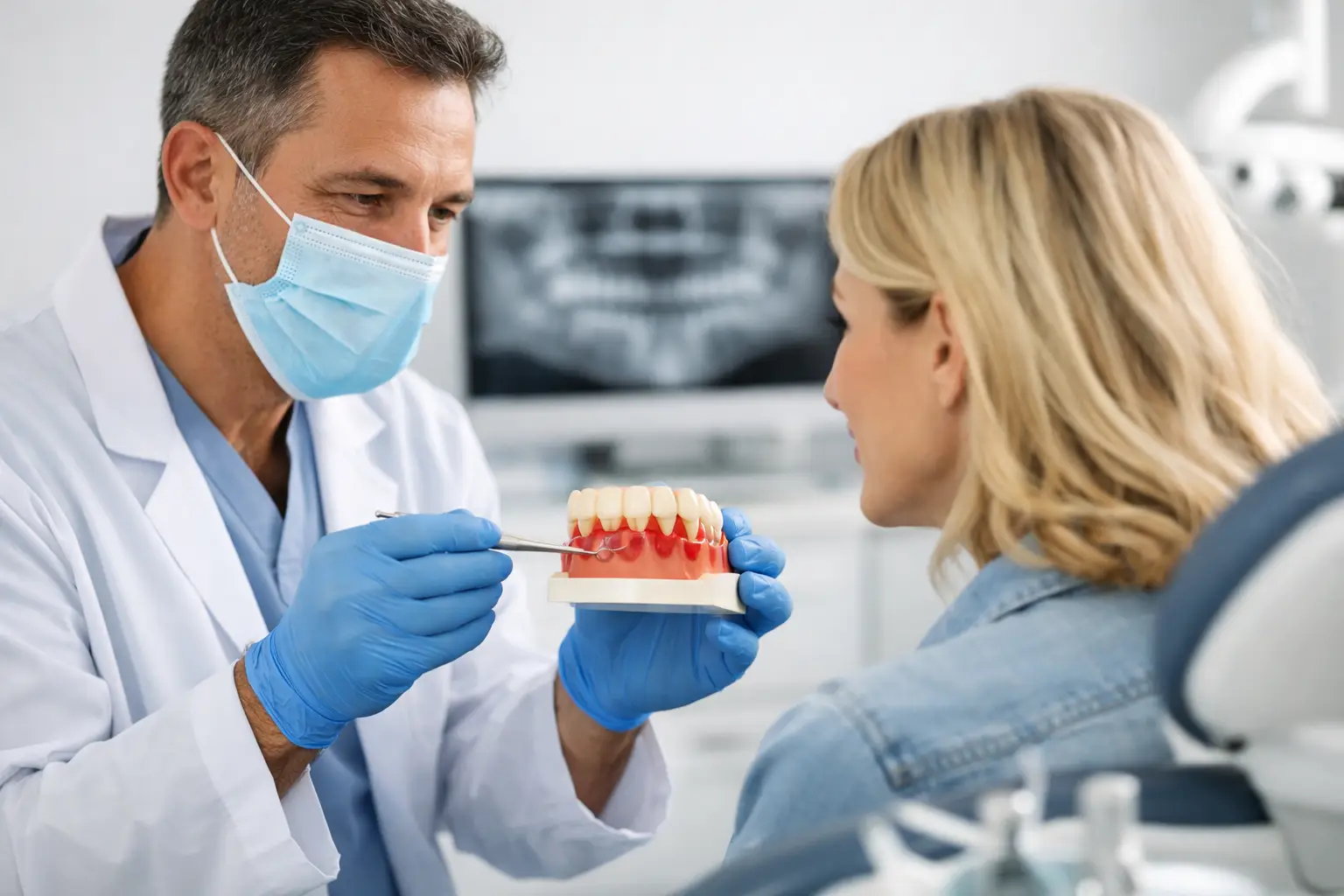
A gum assessment is more than a quick look at your smile. Your dental team checks the condition of your gums, measures the spaces between the teeth and gums, looks for bleeding and recession, and reviews X-rays when needed to assess the bone supporting your teeth. This helps identify whether inflammation is limited to the surface or whether deeper periodontal treatment is needed.
The conversation matters just as much. Some patients have avoided dental appointments because of anxiety. Others have a busy schedule, wear dentures or restorations, take medications that affect dry mouth, smoke or vape, or are managing diabetes and other health concerns. These details can influence gum health and the way treatment is planned.
At Bright Smile Dental Clinic, recommendations are explained in clear terms so you understand the condition, the goals of treatment, and what each next step involves. There is no one-size-fits-all solution. Some people need a focused hygiene visit and better tools for cleaning at home, while others benefit from deeper treatment and ongoing periodontal maintenance.
Treatment options for infected or receding gums
The main goal of periodontal care is to reduce the bacterial infection and make the gums easier to keep healthy over the long term. Treatment often happens in stages, with the first stage focused on cleaning and stabilizing the disease.
Professional hygiene care for early inflammation
For gingivitis or mild buildup, a professional cleaning can remove plaque and tartar from areas a toothbrush cannot reach. Your hygienist may also show you how to clean more effectively around crowded teeth, bridges, implants, or along a sensitive gumline. A soft toothbrush, proper brushing angle, and the right interdental cleaner can make a real difference, but the best option varies from person to person.
Scaling and root planing for deeper pockets
If tartar and bacteria are below the gumline, scaling and root planing may be recommended. This is often called deep cleaning, although it is a precise periodontal procedure rather than a routine cleaning. The clinician carefully removes buildup from the tooth roots and smooths the root surfaces to help the gums heal and reattach as closely as possible.
Treatment may be completed by area or over more than one visit, depending on the extent of disease and your comfort. Local freezing is commonly used so the procedure is manageable. If dental anxiety makes treatment difficult, discussing comfort options, including sedation where appropriate, before your appointment can help you feel more prepared.
Some tenderness or sensitivity after deep cleaning is possible, particularly if the gums were very inflamed or recession was already present. This usually improves as healing progresses. Your dental team will explain what to expect and when to contact the clinic if something does not feel right.
Ongoing periodontal maintenance
Gum disease can be controlled, but people who have had periodontitis often need professional maintenance more often than a standard six-month schedule. A three- or four-month interval may be recommended in some cases. This is not a sales tactic or a punishment for imperfect brushing. It is a preventive plan based on how quickly plaque accumulates, how deep the pockets are, and how your gums respond after treatment.
At maintenance visits, the gums are reassessed and bacteria are removed before they can cause further damage. These visits also give your dental team an opportunity to spot changes early, when care is usually simpler.
When additional periodontal care is needed
Advanced gum disease may require more than cleaning alone. Depending on the situation, treatment can include localized antimicrobial therapy, referral for periodontal surgery, or procedures to address gum recession. Gum grafting may be considered when recession exposes roots, causes sensitivity, affects appearance, or makes an area difficult to clean.
There are trade-offs to consider. Surgical options can offer meaningful benefits in the right case, but they require healing time and may not be necessary when non-surgical treatment has successfully stabilized the condition. Your treatment plan should reflect both the clinical findings and your priorities for comfort, timing, and long-term tooth preservation.
Why waiting can make treatment more complicated
Gum disease is often quiet. Bleeding may stop temporarily, and bad breath can be masked with mouthwash, while infection continues below the gumline. The longer supporting bone is exposed to inflammation, the more difficult it can be to protect the teeth.
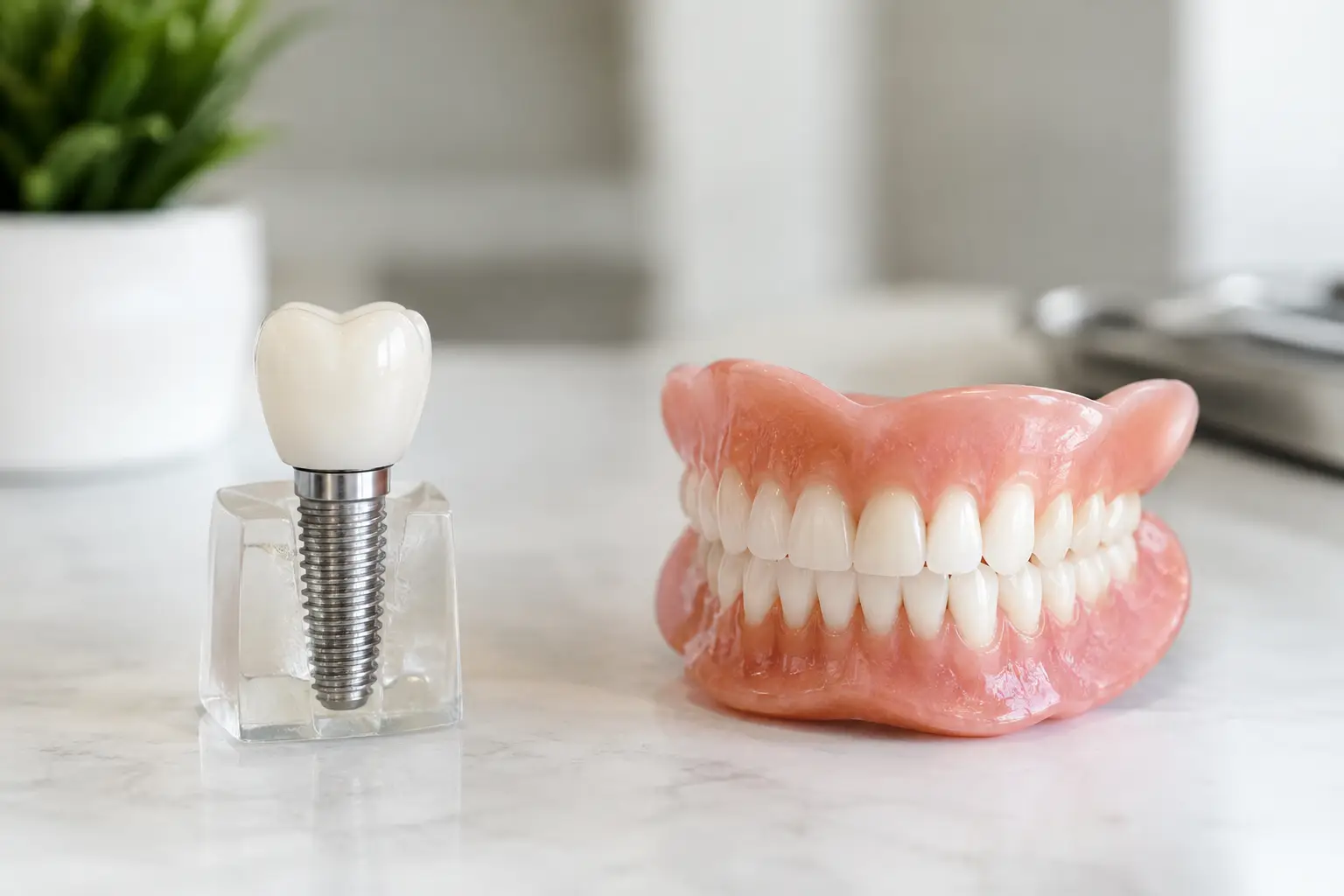
Treating disease early can help avoid complications such as tooth mobility, painful abscesses, exposed roots, and the need for replacement options such as bridges, dentures, or implants. Although modern restorative dentistry can rebuild a smile after tooth loss, preserving natural teeth whenever possible is generally the better starting point.
Gum health also affects the success of dental work. Crowns, bridges, implants, and cosmetic treatments need a stable, healthy foundation. If gum disease is active, managing it first may change the timing of other planned treatment, but it supports a more predictable result.
Keeping gums healthy after treatment
Professional care is only one part of successful gum disease management. The daily routine between visits helps keep bacteria from rebuilding at the gumline. Brush twice a day with a fluoride toothpaste and clean between your teeth every day using floss, interdental brushes, or another tool recommended for your mouth.
Technique matters more than force. Aggressive scrubbing can irritate the gums and wear away tooth surfaces, while gentle, thorough cleaning is more effective. If your gums bleed when you begin flossing regularly, do not automatically stop. Bleeding can be a sign of existing inflammation. With proper cleaning, it often improves, but persistent bleeding should be assessed.
Smoking and vaping can make gum disease harder to detect and treat because they can reduce visible bleeding while affecting healing. Diabetes, hormonal changes, dry mouth, stress, and certain medications can also influence gum health. Sharing changes in your health history allows your dental team to adjust recommendations thoughtfully.
Common questions about gum disease care
Can gum disease be cured?
Gingivitis can often be reversed. Periodontitis cannot usually be completely reversed because lost bone does not simply grow back, but it can often be stabilized and managed with professional treatment, consistent home care, and maintenance visits.
Does deep cleaning hurt?
Deep cleaning is planned with comfort in mind. Local anesthetic can numb the treatment area, and your clinician can work at a pace that feels manageable. Some short-term soreness or sensitivity afterwards is possible, but many patients find the experience easier than they expected.
Will insurance or the Canadian Dental Care Plan cover treatment?
Coverage varies by plan, the treatment recommended, and individual eligibility. Direct insurance billing may be available, and eligible Canadian Dental Care Plan patients can ask the team for help understanding how their coverage may apply. It is always wise to confirm expected costs and coverage before treatment begins.
If you have noticed bleeding gums, persistent bad breath, recession, or teeth that feel different when you bite, booking an assessment is a practical next step. Gentle, timely care can protect your comfort now and help preserve your natural smile for years to come.