A tooth can look perfectly healthy and still become more vulnerable when the gum tissue around it begins to pull back. Receding gums may expose the tooth root, create sensitivity when you drink something cold, and make your smile look uneven. For patients considering gum grafting Scarborough treatment, the first question is usually simple: can this be fixed comfortably and predictably?
In many cases, yes. Gum grafting is a carefully planned periodontal procedure that adds or repositions healthy tissue to cover exposed roots and protect the teeth. It is not only a cosmetic treatment. When recession is progressing, treatment can help reduce sensitivity, support gum health, and protect the root surface from wear and decay.
Why gums recede
Gum recession does not always mean someone has poor oral hygiene. It can develop for several reasons, and understanding the cause is an important part of choosing the right treatment.
Gum disease is one common cause. Bacteria and inflammation can damage the tissues and bone that support the teeth, allowing the gumline to move downward over time. Brushing too aggressively, especially with a hard-bristled toothbrush or forceful side-to-side motion, may also contribute to recession. Other factors include naturally thin gum tissue, teeth that sit outside the ideal position in the jaw, bite pressure, clenching, grinding, tobacco use, and previous orthodontic treatment.
Sometimes recession affects one tooth, often a lower front tooth or an upper canine. In other cases, several teeth are involved. The pattern matters because it helps your dental team determine whether grafting is appropriate, whether gum disease needs to be controlled first, and what may help prevent further recession after treatment.
When is gum grafting Scarborough treatment recommended?
A graft may be recommended when exposed roots are causing sensitivity, the recession is worsening, or the gum tissue is too thin to provide reliable long-term protection. It can also be considered when recession affects the appearance of the smile, particularly around visible front teeth.
Not every recessed gumline needs surgery right away. If the area is stable, easy to keep clean, and not sensitive, your dentist may recommend monitoring it along with gentler brushing techniques and regular hygiene care. If active gum disease is present, that condition needs to be managed before grafting can be considered. Treating the cause is as important as treating the visible recession.
During an assessment, your dental team will examine the gumline, measure recession, check for inflammation and bone loss, and review your brushing habits and bite. Digital X-rays or other imaging may be used when needed. You should leave this visit knowing why the recession happened, whether it is likely to progress, and what the treatment options involve.
What happens during a gum graft?
Gum grafting is performed using local anesthetic to keep the treatment area numb. For patients who feel nervous about dental procedures, comfort measures and sedation options may also be discussed based on individual needs and health history.
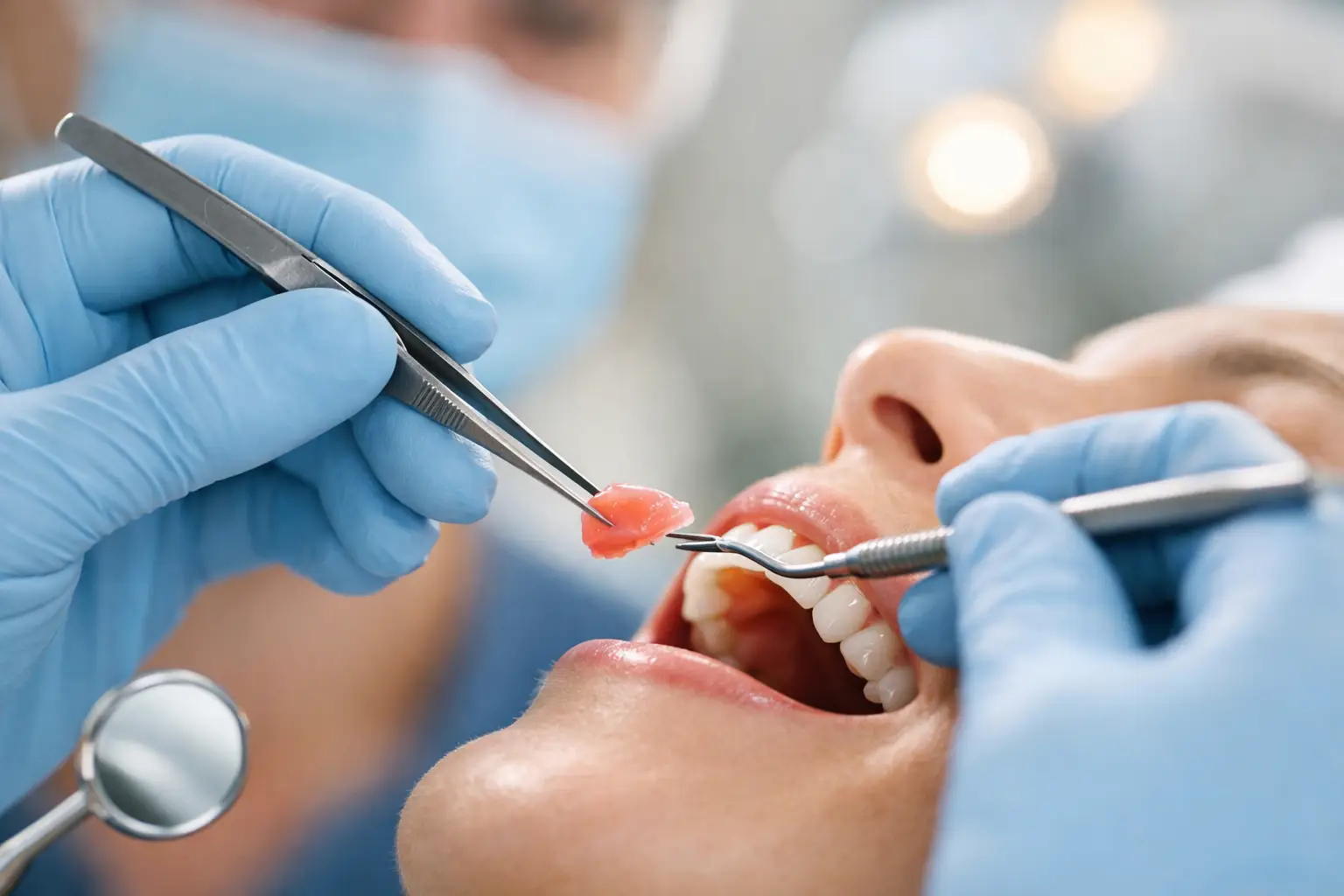
The procedure involves placing healthy gum tissue over, or beside, the area of recession. Depending on your needs, the tissue may come from the roof of the mouth, be gently repositioned from nearby gum tissue, or be selected from an appropriate donor tissue source. The best technique depends on the location of the recession, the thickness of your existing gums, how many teeth need treatment, and the amount of root coverage that is realistically achievable.
The graft is carefully secured in place so it can heal and integrate with surrounding tissue. The goal is to create a stronger, healthier gumline, not simply to make the gums look higher. While many patients see meaningful root coverage, results vary. Your clinician should explain what is predictable in your particular case rather than promise a perfectly uniform result.
Is gum grafting painful?
Most patients are surprised by how manageable the procedure feels. You should not feel pain during treatment while the area is properly numb, although you may notice pressure or movement. Afterward, tenderness, mild swelling, and sensitivity are normal for the first few days.
Discomfort is often more noticeable if tissue is taken from the roof of the mouth, though this can still be managed with clear post-operative instructions and recommended medication. Donor tissue alternatives may be suitable for some patients, but they are not automatically the best choice for every situation. The trade-off involves the type of tissue needed, the treatment area, healing considerations, and expected coverage.
Following instructions closely makes a real difference. Patients are generally asked to avoid brushing directly over the graft at first, eat soft foods, use any prescribed rinse as directed, and avoid pulling the lip or cheek to inspect the area. Smoking or vaping can interfere with healing and should be avoided.
Healing after gum grafting in Scarborough
Initial healing usually takes one to two weeks, while deeper tissue healing and maturation continue for several weeks or months. A follow-up appointment allows the dental team to check that the graft is stable and healing as expected.
For the first several days, softer foods such as yogurt, eggs, soup that has cooled to a safe temperature, pasta, and smoothies can be more comfortable. Hard, crunchy, spicy, or very hot foods may irritate the area. It is also wise to avoid strenuous exercise for the period recommended by your clinician, particularly immediately after surgery.
You may notice that the graft looks pale, white, or slightly different in colour during early healing. This can be normal, but it is always appropriate to contact the clinic if you have increasing pain, persistent bleeding, significant swelling, fever, or concerns about the graft moving. Prompt questions are welcome – patients should never feel they need to guess whether a symptom is normal.
Protecting your results over the long term
A gum graft can strengthen a vulnerable area, but ongoing habits protect the investment in your oral health. A soft toothbrush, gentle technique, and regular professional cleanings are central to maintaining healthy gums. Your dentist or hygienist can show you how to angle the brush at the gumline without scrubbing the tissue away.
If grinding or clenching is contributing to recession, a custom night guard may be recommended. If teeth are crowded or positioned in a way that places pressure on thin gum tissue, orthodontic planning may also be part of the conversation. These recommendations are not one-size-fits-all. The right plan considers your gums, bite, goals, budget, and ability to maintain results over time.
Cost, coverage, and planning your care
The cost of gum grafting depends on the number of teeth being treated, the technique used, whether donor tissue is needed, and the complexity of the case. Insurance coverage varies by plan, particularly where treatment is considered medically necessary versus primarily cosmetic. Eligible Canadian Dental Care Plan patients may also wish to ask about coverage and appointment planning.
Before proceeding, ask for a clear explanation of the recommended treatment, expected fees, available coverage support, and alternatives. A thoughtful plan should give you time to make an informed decision, especially if gum disease therapy or other dental care is needed before grafting.
Receding gums rarely improve on their own, but early care can often prevent a small concern from becoming a more complicated one. At Bright Smile Dental Clinic, a consultation can help you understand the health of your gums, discuss your comfort needs, and decide on a treatment path that feels right for you.