A small cavity rarely starts as a dental emergency. It often begins quietly, between teeth or beneath a weakened area of enamel, long before it causes pain. Preventive dentistry is the practical way to find and manage concerns at that earlier stage, helping you protect your smile, avoid unnecessary discomfort, and make informed decisions about your care.
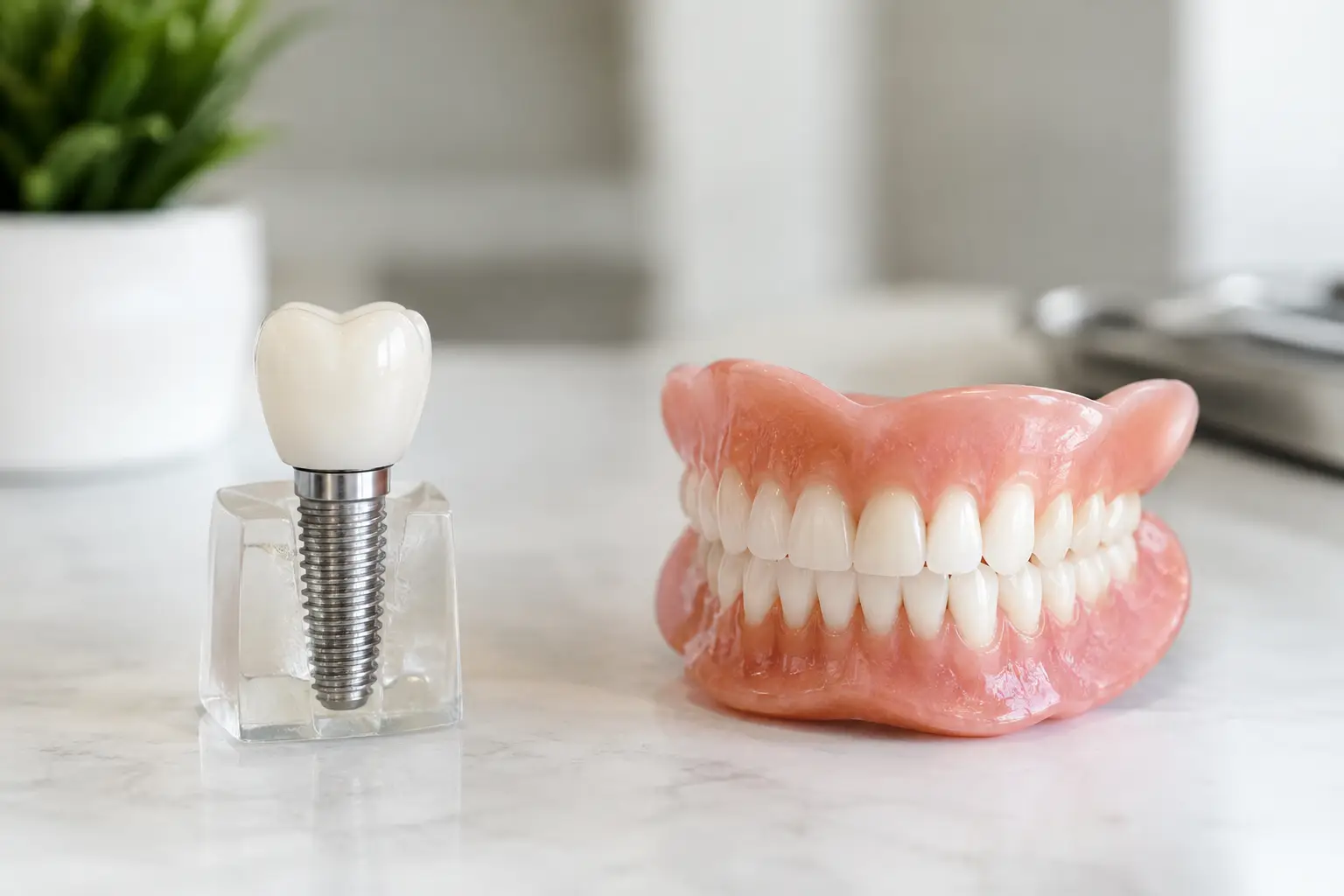
For families and individuals in Scarborough, preventive care is not about being told off for missing a flossing session. It is a supportive, ongoing partnership that considers your oral health, comfort level, health history, daily habits, and personal goals. Whether you have a full natural smile, restorations such as crowns or implants, braces or Invisalign aligners, or dentures, regular care helps keep your mouth healthier over time.
What preventive dentistry includes
Preventive dentistry combines professional care with the habits you follow at home. At a routine dental visit, your dentist and hygienist look beyond what is immediately visible. They check your teeth, gums, bite, existing dental work, and the soft tissues of your mouth. Dental X-rays may be recommended when they can reveal changes that cannot be seen during a visual examination, such as decay between teeth, bone changes, or concerns around old fillings.
Professional hygiene cleanings remove plaque and hardened tartar from areas that are difficult to clean thoroughly at home. This matters because tartar cannot be brushed away, and its rough surface makes it easier for more plaque to collect. Your hygienist can also point out areas that need extra attention and suggest realistic adjustments to your brushing or interdental cleaning routine.
Preventive appointments may also include fluoride treatments, sealants for suitable patients, oral cancer screening, and monitoring for teeth grinding or jaw strain. Not every patient needs every service at every visit. Good prevention is personalized rather than one-size-fits-all.
Why early care can change the treatment ahead
Dental concerns tend to become more complex when they are left untreated. Early enamel decay may sometimes be managed with fluoride, dietary changes, and careful monitoring. Once decay creates a cavity, a filling may be needed. If it reaches the inner nerve tissue, treatment can become more involved and may require root canal therapy and a crown.
The same pattern can apply to gum disease. Early gum inflammation, often called gingivitis, may cause bleeding during brushing or flossing. With professional cleaning and improved home care, it can often be reversed. More advanced gum disease can affect the bone supporting your teeth and may require periodontal treatment to control infection and protect what remains.
Prevention does not guarantee that you will never need restorative or surgical dental care. Genetics, medications, injury, medical conditions, dry mouth, tooth alignment, and past dental work can all influence oral health. It does, however, give your dental team the best opportunity to act before a smaller concern becomes a larger, more costly, or more uncomfortable one.
The right recall schedule depends on your needs
Many people assume everyone should see the dentist every six months. That schedule works well for many patients, but it is not a universal rule. Someone with healthy gums and a low risk of decay may need a different recall interval than someone managing gum disease, frequent cavities, dry mouth, pregnancy-related gum changes, diabetes, or a history of extensive dental treatment.
Patients with implants, bridges, orthodontic appliances, or dentures also benefit from regular assessments, even if they are not experiencing pain. Dental restorations need to be checked for wear, fit, and the health of the surrounding gums and teeth. An implant cannot develop a cavity, but the gum and bone around it still need professional attention.
Your dentist can recommend a recall plan based on what they see clinically, not simply on a calendar reminder. If a more frequent visit is advised, it should come with a clear explanation of why it is useful for your specific situation.
Daily habits that support professional care
The most effective home routine is one you can follow consistently. Brush twice daily using a soft-bristled toothbrush and fluoride toothpaste. Take the time to clean along the gumline and all tooth surfaces, rather than brushing quickly over the front teeth alone.
Cleaning between teeth once a day is equally valuable. Floss works well for many people, while interdental brushes, water flossers, or other tools may be easier or more effective depending on the spacing of your teeth, the presence of bridges, and your dexterity. Your hygienist can help you choose a method you are likely to keep using.
Food and drink choices matter, but prevention does not require a perfect diet. Frequent exposure to sugars and acidic drinks gives bacteria repeated opportunities to produce acids that weaken enamel. Sipping sweetened coffee, pop, juice, sports drinks, or energy drinks throughout the day can be more harmful than having them with a meal. Water is a tooth-friendly choice between meals, particularly if you experience dry mouth.
If you clench or grind your teeth, tell your dentist even if you do not have jaw pain. Worn enamel, chipped teeth, morning headaches, and jaw fatigue can be signs that your bite is under strain. A custom night guard may help protect teeth in appropriate cases, although it does not address every cause of jaw discomfort.
Prevention for children, adults, and seniors
Children benefit from early, positive dental visits that make the clinic feel familiar before a problem develops. Parents can receive guidance on brushing, fluoride, tooth eruption, cavity risk, and habits such as thumb sucking. As permanent molars come in, sealants may be considered to protect the deep grooves where decay can easily begin.
For busy adults, prevention often means making time for concerns that are easy to postpone: a chipped filling, occasional bleeding gums, sensitivity, or a crown that feels slightly different when biting. These changes are worth checking before they interrupt work, travel, or family plans.
Seniors may face added challenges from dry mouth, medications, reduced hand strength, gum recession, and changes in appetite or diet. Preventive care can help preserve natural teeth, maintain comfort with dentures, and monitor the condition of existing restorations. It also offers an opportunity to discuss practical tools and routines that make daily care more manageable.
When to book sooner than your next checkup
Routine visits are designed to prevent surprises, but you do not need to wait for your next scheduled appointment if something changes. Tooth pain, swelling, a broken tooth, a loose crown, persistent bad taste, bleeding that does not improve, or a sore in the mouth that does not heal should be assessed promptly.
Sensitivity to cold or sweets can have several causes, from exposed roots to decay or a cracked tooth. It may be minor, but it is not something to diagnose on your own. A clear examination can separate a simple concern from one that needs timely treatment.
For patients who feel nervous about dental care, avoiding appointments can make small concerns feel even more overwhelming. A comfort-first approach can make a meaningful difference. At Bright Smile Dental Clinic, patients can expect gentle care, clear explanations, and a treatment plan discussed at a pace that respects their comfort, coverage, and priorities.
A practical investment in your future smile
Preventive dental visits are not about chasing a perfect smile. They are about keeping your teeth and gums comfortable, functional, and easier to care for as life changes. They can also make future treatment planning calmer and more predictable, because you have a clearer picture of what is happening in your mouth.
If it has been a while since your last checkup, start with one appointment rather than worrying about everything at once. A thoughtful examination and hygiene visit can give you a realistic next step, whether that means maintaining a healthy routine or addressing a concern while it is still manageable.