A tooth can develop decay quietly for months before it becomes painful. That is why knowing the tooth decay warning signs can make a real difference: early care may mean a small filling, while waiting can allow damage to reach the nerve or lead to infection. If something feels different in your mouth, even if the discomfort comes and goes, it is worth having it checked.
Tooth decay happens when plaque bacteria feed on sugars and starches left on teeth. They produce acids that gradually weaken enamel, the hard outer layer of the tooth. Saliva, fluoride, brushing, and professional cleanings all help protect your teeth, but decay can still form in deep grooves, between teeth, around older dental work, or near the gumline.
Early Tooth Decay Warning Signs
In its earliest stage, decay may not hurt at all. A dentist can often see subtle changes during an examination or identify areas between teeth on X-rays before a cavity becomes obvious. This is one reason routine visits matter, particularly for children, seniors, and adults who have had fillings or crowns in the past.
One early sign is a chalky white spot on a tooth. This can indicate that enamel is losing minerals. In some cases, this early damage can be managed with fluoride, improved home care, dietary changes, and monitoring before a hole develops. Brown or black marks can also be a concern, although not every dark spot is active decay. Your dental team can determine what is happening without guesswork.
Another common clue is sensitivity to cold drinks, sweets, or acidic foods. A brief twinge may be caused by early decay, but it can also come from exposed roots, worn enamel, a cracked tooth, or gum recession. The pattern matters. Sensitivity that is new, becoming more frequent, or limited to one tooth deserves an assessment.
You may also notice that food repeatedly catches in the same area. Floss shredding or getting stuck between two teeth can point to a cavity between them, a rough filling edge, or a problem with a crown. It is not something to force through or ignore. A small rough area can trap plaque and become harder to clean over time.
When a Cavity Is Becoming More Serious
As decay moves beyond enamel into the softer layer underneath, called dentin, symptoms often become more noticeable. You may feel a dull ache when chewing, sharp pain with hot or cold foods, or discomfort that lingers after the trigger is gone.
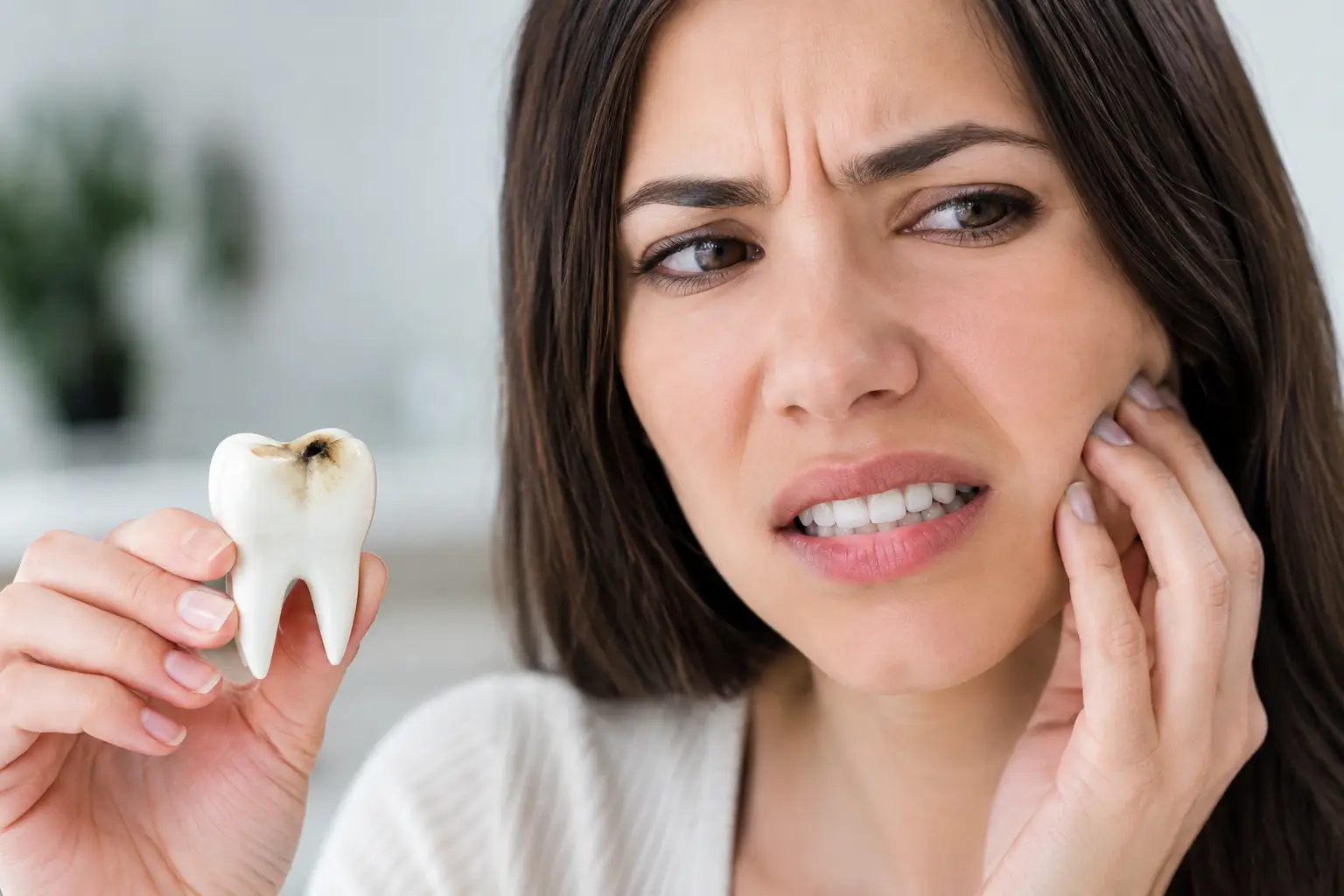
A visible pit, hole, or broken area of a tooth is another clear reason to book a dental appointment. Sometimes patients first notice a rough edge with their tongue, a small piece of tooth that has chipped away, or a dark opening that was not there before. The opening may look small, but decay can spread underneath the surface where it is not visible.
Bad breath or an unpleasant taste that persists despite brushing and flossing can also be associated with trapped bacteria and decay. Gum disease, dry mouth, tonsil issues, and certain medical conditions can cause similar symptoms, so a professional examination is the best way to find the source.
Do not assume pain has to be severe before treatment is needed. Decay can progress at different speeds depending on your diet, oral hygiene, saliva flow, fluoride exposure, tooth position, and medical history. Dry mouth, for example, can significantly increase cavity risk. It may be related to medications, mouth breathing, certain health conditions, or age-related changes.
Signs You Need Prompt Dental Care
Some symptoms suggest that a cavity may be close to, or already affecting, the tooth’s nerve. Contact a dental clinic promptly if you have ongoing toothache, pain that wakes you at night, swelling around a tooth or jaw, or sensitivity to heat that lingers. These signs do not always mean the same thing, but they should not be managed with home remedies alone.
An abscess can cause a pimple-like bump on the gums, swelling, a foul taste, fever, or tender lymph nodes. Dental infections can worsen and spread, so this requires urgent professional attention. If swelling affects your face, eye area, breathing, or swallowing, seek emergency medical care immediately.
It is also wise to arrange an appointment quickly after a tooth cracks or breaks. A cracked tooth can expose vulnerable inner tissue and create a pathway for bacteria. The right treatment depends on the extent and location of the damage. A filling or crown may protect some teeth, while others may require root canal treatment before they can be restored.
What Treatment May Look Like
Dental treatment is not one-size-fits-all. At an examination, your dentist will look at the affected tooth, check nearby gums, and may take X-rays to see what cannot be seen from the surface. You should receive a clear explanation of the findings, recommended options, expected benefits, and what may happen if treatment is delayed.
For early enamel changes, preventive care may be enough. Fluoride treatment, better plaque removal, dietary guidance, and regular monitoring can help strengthen vulnerable areas. When a cavity has formed, a tooth-coloured filling is often the most conservative way to remove decay and restore the tooth’s shape and function.
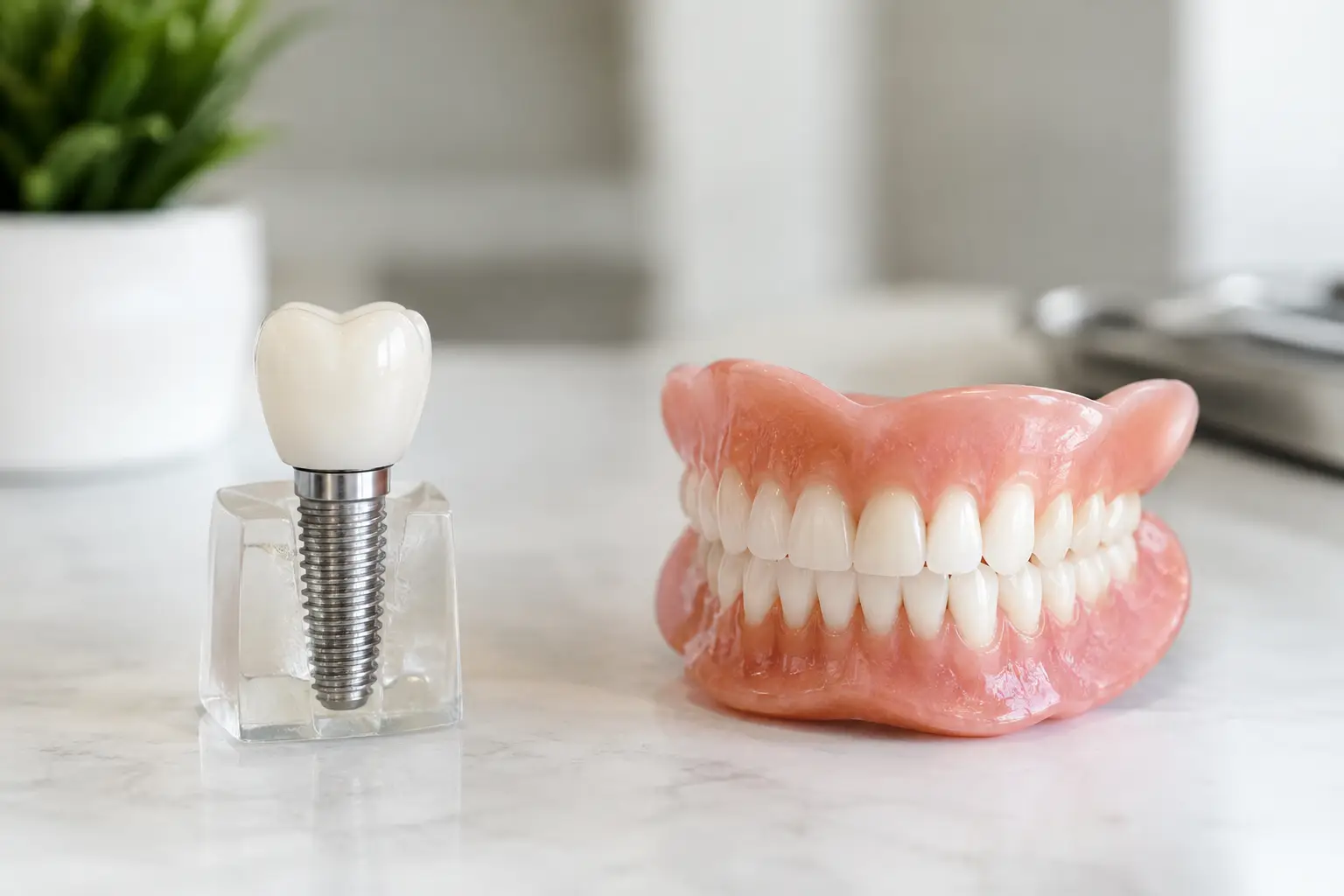
If a larger portion of the tooth is weakened, a crown may provide more durable protection. When decay has reached the pulp, the soft tissue inside the tooth, root canal treatment may be recommended to remove infection and preserve the tooth. If a tooth cannot be saved, replacement options such as a bridge, denture, or dental implant can restore chewing ability and help prevent neighbouring teeth from shifting.
For patients who feel anxious, treatment can be planned with comfort in mind. Gentle techniques, breaks when needed, clear communication, and sedation options for eligible patients can make a necessary visit feel far more manageable. Delaying because of fear is understandable, but early treatment is usually simpler and more comfortable than waiting for pain to escalate.
How to Lower Your Risk of Future Decay
Consistent home care is your first line of defence. Brush twice daily with fluoride toothpaste, cleaning along the gumline as well as the chewing surfaces. Clean between teeth once a day with floss or another tool recommended for your mouth. Toothbrushes cannot fully clean the tight spaces where many cavities begin.
Frequency of sugar exposure matters as much as quantity. Sipping sweetened coffee, pop, juice, sports drinks, or flavoured beverages throughout the day gives bacteria repeated fuel. Keeping sugary foods and drinks to mealtimes, choosing water between meals, and avoiding bedtime snacks after brushing can reduce risk. This does not mean you need a perfect diet. It means making practical choices often enough to protect your teeth.
Regular hygiene appointments and exams are equally valuable because they help identify risks before you feel symptoms. Your recommended schedule may vary based on your cavity history, gum health, orthodontic treatment, dry mouth, and overall health needs.
If you have noticed sensitivity, a dark spot, food catching, or any other change, arranging an assessment now can protect more of your natural tooth. Bright Smile Dental Clinic offers patient-centred care with clear treatment explanations, so you can understand your options and decide on the next step with confidence. A timely visit may be the simplest way to keep a small concern from becoming a painful interruption to your day.