A dental implant appointment can feel like the biggest step in replacing a missing tooth. The recovery period is where that investment begins to take hold. This dental implant recovery guide explains what healing commonly looks like, how to stay comfortable, and when a call to your dentist is the right next step.
Every implant plan is personal. Recovery can be different if you had a simple implant placement, a tooth extraction at the same visit, a bone graft, sinus lift, multiple implants, or sedation. Your own post-operative instructions always come first.
The first 24 hours after implant surgery
It is normal to have mild bleeding or oozing from the surgical area on the day of treatment. Bite gently but firmly on the gauze your dental team provides, changing it as directed. A little pink saliva is common. Heavy bleeding that does not slow with pressure is not.
Swelling and tenderness often begin once the freezing wears off. Use a cold pack against the outside of your cheek in short intervals during the first day. Rest with your head slightly elevated, and plan for a quiet evening rather than errands, exercise, or a demanding work schedule.
Take pain medication exactly as recommended by your dentist. Some patients need only over-the-counter medication, while others may receive a prescription based on the procedure and their health history. Do not add or combine medications without checking first, especially if you take blood thinners or have medical conditions that affect healing.
Avoid rinsing forcefully, spitting, drinking through a straw, smoking, vaping, and alcohol during this early period. These actions can disturb the blood clot and irritate the surgical site. Smoking and vaping also reduce blood flow to the tissues, which can make implant healing less predictable.
What to eat during dental implant recovery
Choose cool or lukewarm, soft foods on the day of surgery and for the next several days. Yogurt, applesauce, smoothies eaten with a spoon, scrambled eggs, oatmeal once cooled, mashed vegetables, soup that is not hot, and soft pasta are often comfortable choices.
Chew away from the implant area when possible. Hard, crunchy, sticky, spicy, or very hot foods can cause discomfort and may get trapped near the incision. Foods with small seeds, nuts, popcorn hulls, and sharp chips are best avoided until your dentist confirms that the area is healing well.
Hydration matters, particularly if you are taking pain medication or have eaten less than usual. Sip water regularly. If nausea occurs, contact your dental office for advice rather than stopping prescribed medication on your own.
Days two to seven: swelling, cleaning, and routine
For many patients, swelling peaks around the second or third day and then gradually improves. Bruising can also appear, especially after more involved surgery. This can look concerning but is often temporary. A warm compress may be recommended after the first couple of days to help with lingering stiffness.
Gentle oral hygiene is essential. You may be asked to avoid brushing directly over the surgical area at first, while continuing to brush the rest of your mouth carefully. Your dentist may recommend a prescription rinse or warm salt-water rinses after the first day. Let the rinse move gently around your mouth rather than swishing vigorously.
You may feel a slight pulling sensation from stitches, tenderness when opening wide, or sensitivity in nearby teeth. These symptoms should improve, not intensify. If you have dissolvable sutures, they commonly loosen or disappear over one to two weeks. Do not pull at them with your fingers or tongue.
Most people can return to non-strenuous daily activities within a day or two, but timing depends on the procedure and how you feel. Avoid heavy lifting, intense cardio, contact sports, and bending repeatedly for several days or as advised. Increased blood pressure can restart bleeding or worsen throbbing.
Week two and beyond: what happens beneath the gumline
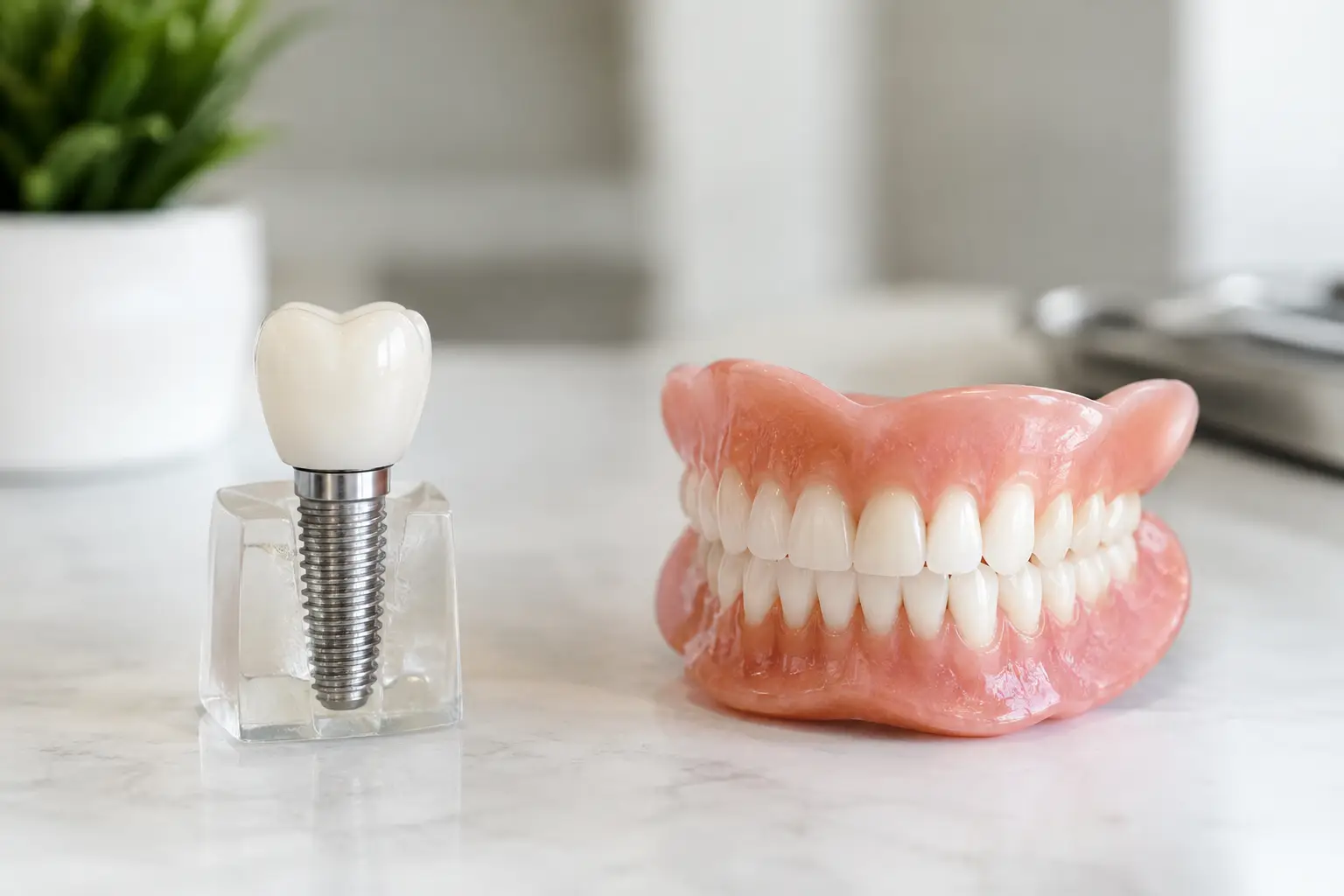
The gums may look much better within one or two weeks, but the deeper healing process takes longer. An implant needs time to form a stable connection with the jawbone, a process called osseointegration. It is one reason your final crown is not always placed immediately.
For some patients, a temporary tooth can be used for appearance and comfort while healing continues. It must be treated gently. A temporary restoration is not designed for biting into firm foods or carrying the same force as a permanent crown.
If you had bone grafting, your timeline may be longer. A graft needs time to mature before or alongside implant treatment, depending on your plan. This is not a setback. It is often a careful step that helps create the support needed for a long-lasting result.
At follow-up visits, your dentist will assess the gum tissue, implant stability, bite, and hygiene. Keep every appointment, even if the area feels fine. Many concerns are easier to address early, before they become painful or affect the treatment timeline.
Dental implant recovery guide: signs that need attention
Discomfort should steadily decrease after surgery. Contact your dental team promptly if pain becomes severe, worsens after initially improving, or is not managed by the medication plan you were given.
You should also call if you notice persistent or heavy bleeding, swelling that continues to increase after day three, fever, pus, a foul taste or odour, a rash or medication reaction, or numbness that does not improve as expected. An implant that feels loose, a temporary tooth that shifts, or a bite that suddenly feels wrong also deserves an assessment.
Not every symptom means the implant is failing. Sometimes the solution is as simple as adjusting a temporary restoration, reviewing cleaning techniques, or checking for food trapped near the area. Waiting and hoping symptoms disappear can make a manageable issue harder to treat.
Protecting your implant after the surgical site heals
Once your final restoration is in place, dental implants are cared for much like natural teeth, but they still need consistent attention. Brush twice daily with a soft toothbrush and use the cleaning aids recommended for the shape of your implant crown, bridge, or denture. Floss, interdental brushes, or water flossers may each have a role depending on your restoration.
Professional cleanings and examinations are equally important. Gum inflammation and bone loss can occur around implants, particularly when plaque is allowed to build up or when gum disease is not controlled. Regular monitoring also helps your dental team check the crown, bite, and surrounding tissues before small changes become bigger repairs.
If you clench or grind your teeth, a night guard may help protect both your implant restoration and your natural teeth. The right plan depends on your bite, the number and location of implants, and whether you have signs of grinding.
A successful recovery is not about healing as quickly as possible. It is about giving your body the conditions it needs to heal well. At Bright Smile Dental Clinic, clear post-operative guidance and follow-up care are part of helping patients move from a missing tooth to comfortable, confident function.