A loose or missing denture can affect far more than your smile. It can make meals uncomfortable, change the way you speak, and leave you avoiding social situations. So, does CDCP cover dentures? In many cases, yes. The Canadian Dental Care Plan includes coverage for certain complete and partial denture services when they are clinically appropriate. However, coverage is not the same as having every cost paid in full.
The most helpful first step is a dental examination. Your dentist can confirm what type of denture may suit your mouth, whether any teeth need treatment or removal first, and what portion of the proposed care may be covered through CDCP.
Does CDCP Cover Dentures?
CDCP can cover removable dentures for eligible patients. This may include complete dentures when all teeth in an arch are missing, as well as partial dentures when healthy remaining teeth can support a removable replacement. Related services, such as adjustments, repairs, relines, and rebases, may also be covered in appropriate circumstances.
The plan is designed to support medically necessary oral health care, not simply replace a denture because a patient would prefer a newer option. Your dentist must assess your oral condition and recommend treatment that is suitable for your health, function, and long-term comfort.
Coverage rules, frequency limits, and clinical requirements apply. For example, a replacement denture may not be covered if an existing denture is still functional and can be repaired or adjusted. If your gums have changed shape after tooth loss, a reline may be the more appropriate and less invasive solution.
What Denture Services May Be Included
The specific treatment depends on your needs. A complete denture replaces all teeth in the upper or lower jaw. A partial denture fills spaces left by several missing teeth and may help prevent neighbouring teeth from shifting.
For patients who need teeth removed, an immediate denture may sometimes be part of the treatment discussion. This temporary appliance is placed soon after extractions so you are not left without teeth during healing. As the gums heal and reshape, it often needs adjustments and may later require a reline or replacement.
Not every denture-related service is automatically approved. Some treatments require preauthorization from CDCP before work begins. This means the dental office sends the proposed treatment and supporting clinical information to the plan for review. Preauthorization helps confirm whether the service meets CDCP criteria and what the plan is expected to pay.
It is wise to wait for that confirmation before starting a service that requires approval. Our team can help explain the treatment plan, submit the necessary information where applicable, and let you know what to expect before you proceed.
What You May Still Need to Pay
CDCP is not a blank cheque, and this is where many patients are understandably surprised. The amount CDCP pays is based on the plan’s established fees, your adjusted family net income, and the service being provided.
Patients with an adjusted family net income under $70,000 may have no CDCP co-payment for covered services. Those with income between $70,000 and $79,999 may have a 40% co-payment, while those between $80,000 and $89,999 may have a 60% co-payment. A co-payment is your share of the CDCP-covered amount.
There can also be an additional balance if a dental office’s usual fee is higher than the CDCP fee. This amount is separate from the CDCP co-payment. Before treatment starts, ask for a clear estimate showing the expected CDCP contribution, any co-payment, and any remaining patient portion.
Your total cost can also change if care is needed before the denture can be made. Extractions, gum treatment, X-rays, oral surgery, bone smoothing, or management of infection may be necessary to create a healthy foundation. Some of these services may be covered by CDCP, while others may need preauthorization or have their own limits.
Why a Denture Assessment Matters
Dentures are not one-size-fits-all appliances. A denture that looks acceptable but moves while you chew can cause sore spots, make eating difficult, and reduce confidence. The goal is not only to replace missing teeth, but to create a result that supports comfort and daily function.
During an assessment, your dentist will examine your gums, remaining teeth, bite, jawbone support, and the condition of any current denture. They will also ask practical questions: Are you avoiding certain foods? Does the denture click or lift when you talk? Are there sore areas? Have you noticed changes in your facial support or speech?
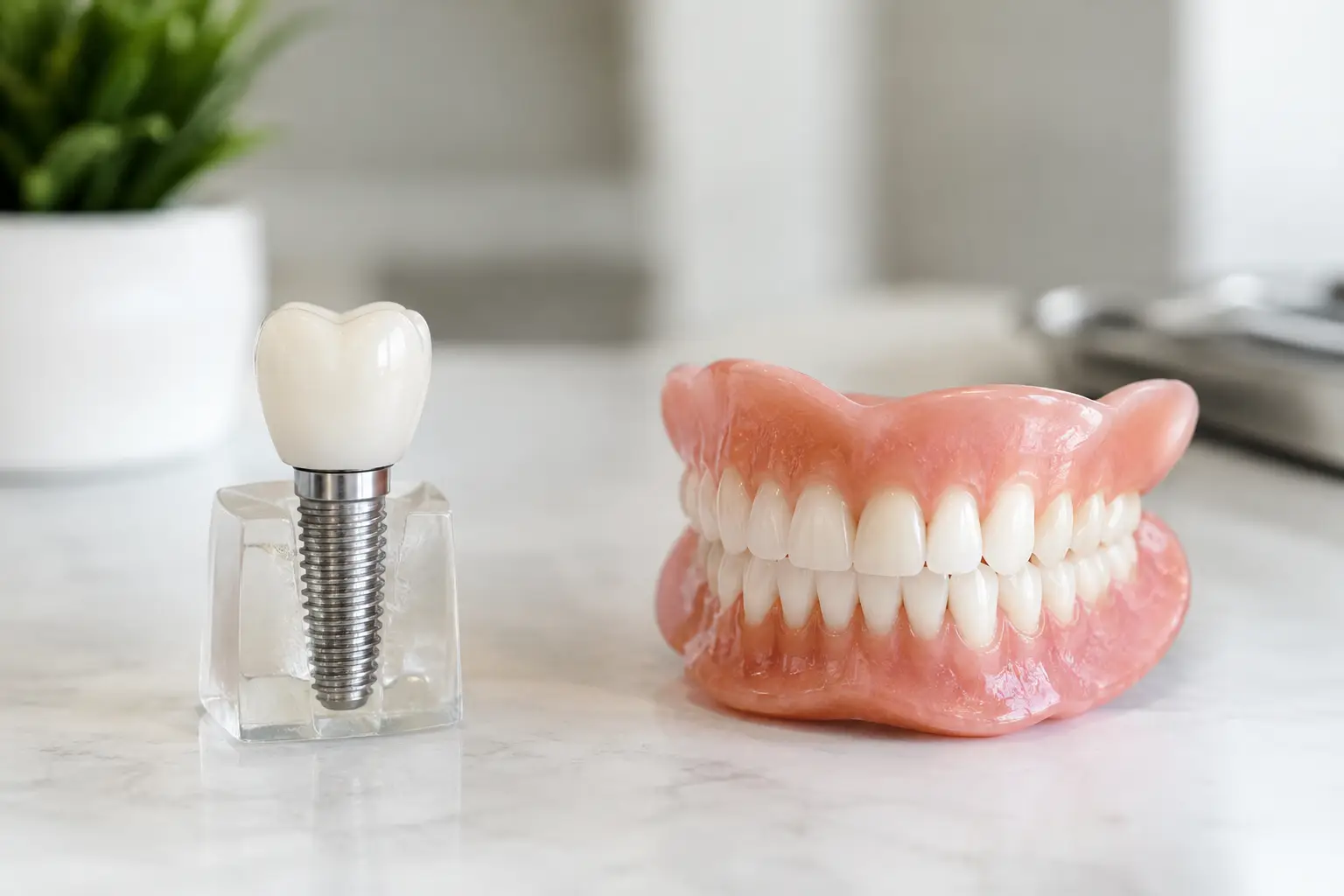
For some patients, a conventional removable denture is the most practical choice. It can restore appearance and function at a lower cost than fixed alternatives. For others, especially people struggling with a lower denture that moves frequently, implant-supported options may be worth discussing. Dental implants are not the same treatment as a standard denture, and coverage rules and out-of-pocket costs can differ significantly.
A good conversation should include those trade-offs without pressure. Your dentist can help you understand what is clinically suitable now, what CDCP may contribute, and whether another treatment approach makes sense for your goals and budget.
Questions to Ask Before Starting Treatment
Before agreeing to a new denture or repair, ask whether the recommended service is covered by CDCP and whether preauthorization is required. Ask whether your current denture can be adjusted, repaired, relined, or rebased instead of replaced.
You should also ask for your estimated out-of-pocket cost before the appointment is booked. This estimate should account for your CDCP co-payment, any difference between CDCP fees and the office fee, and related treatment that may be needed first. If you have private dental insurance as well, tell the office so the team can explain how the plans may coordinate.
Finally, ask about the expected timeline. Denture treatment often involves several appointments for impressions, bite records, try-ins, fitting, and follow-up adjustments. If extractions are involved, healing can affect when a final denture is appropriate.
Getting Comfortable With Your New Denture
Even a carefully made denture needs an adjustment period. Your cheeks, tongue, and gums need time to adapt, and speech may feel slightly different for the first few days. Start with softer foods cut into small pieces, chew slowly on both sides, and follow your dentist’s instructions for cleaning and overnight wear.
Do not try to adjust a denture yourself. Home repairs, household glues, and unapproved adhesives can damage the appliance or irritate oral tissues. If it rubs, rocks, cracks, or suddenly feels loose, arrange an appointment. Small professional adjustments can often prevent a painful sore from becoming a larger problem.
At Bright Smile Dental Clinic, we believe patients should never have to guess what a recommended treatment will involve or what it may cost. A denture consultation gives you space to ask questions, review your CDCP coverage, and make a decision at a pace that feels comfortable. Restoring your smile should feel like practical, well-supported care – not another uncertainty to manage.